Roman Sebastyański graduated from the Faculty of Architecture at Gdansk University of Technology. He expanded his expertise in the protection and revitalisation of historic and post-industrial sites during an ICOMOS internship in the United States, where he also attended lectures by Elizabeth Plater-Zyberk on New Urbanism. He further developed his skills in architectural design within historic environments at The Prince of Wales’s Summer School of Architecture in Oxford, Rome, and Villa Lante. Among his tutors Professor Christopher Alexander and Professor Keith Critchlow as well as Leon Krier, Robert Adam and Thierry Despont. He later completed postgraduate master’s studies in Urban Management at Erasmus University Rotterdam, focusing on integrated urban planning that combines heritage protection, ecology, economic and social development, and public participation. His second master’s thesis examined redevelopment strategies for post-industrial waterfronts in Hamburg and Rotterdam, proposing recommendations for the transformation of the Gdansk Shipyard area.
In his planning and design work, he adopts a holistic approach, understanding reality as a dynamic whole – both ecological and social – embedded in a specific spatial context, material and immaterial, and shaped across multiple temporal dimensions: the remembered past, the lived present, and the imagined future. He specialises in participatory planning and design, as well as in the balanced and sustainable revitalisation of urban spaces. His work is inherently interdisciplinary, involving collaboration with specialists from various fields, including artists, whose ability to enrich social communication through symbols and metaphors he particularly values. His method is based on a dialogical and holistic exploration of reality, seeking to harmonise diverse forces – emotions, aspirations, and interests – within appropriate spatial forms, while respecting both tangible and intangible cultural heritage alongside contemporary social needs and ambitions. For many years, a central focus of his engagement has been the Gdansk Shipyard.
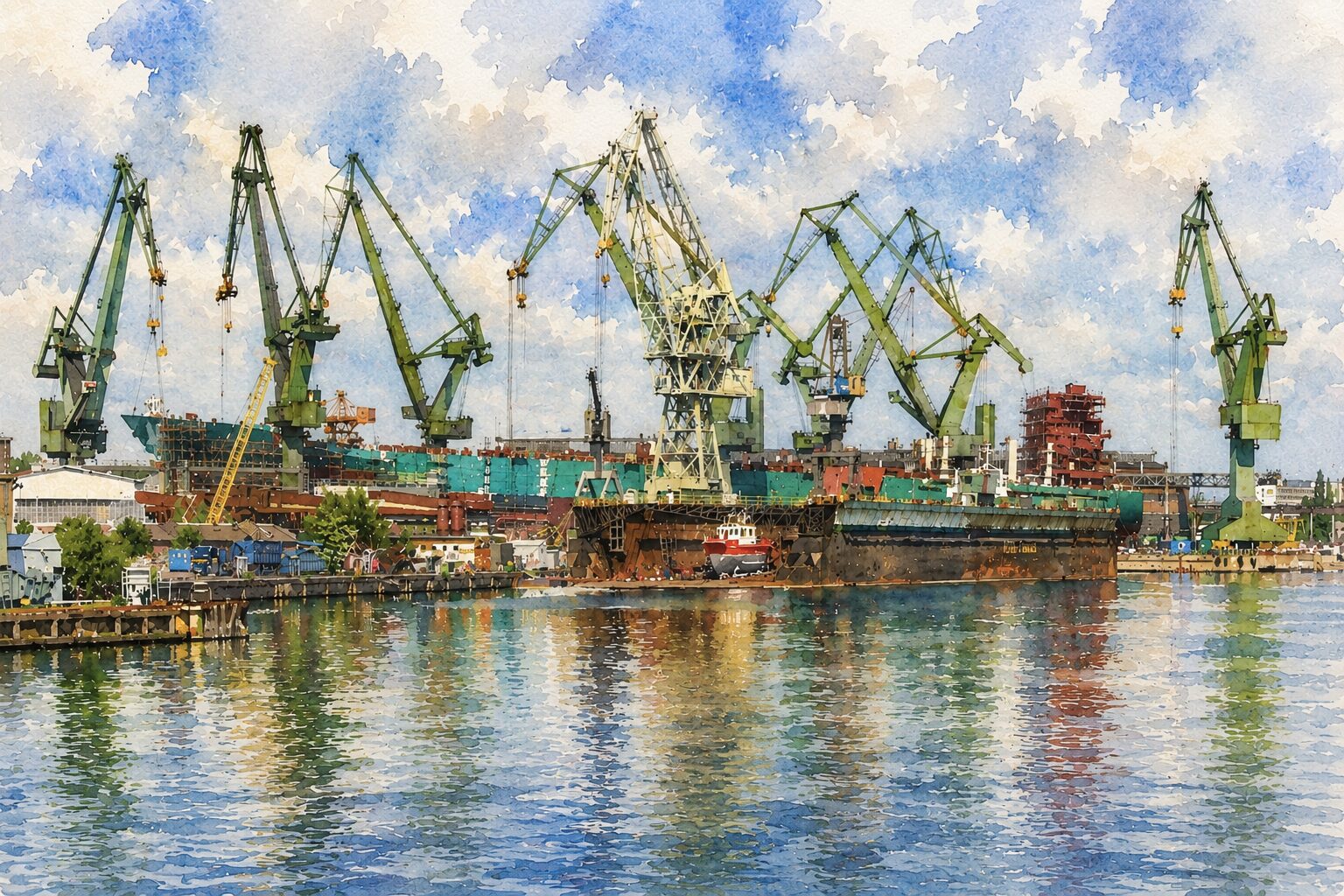
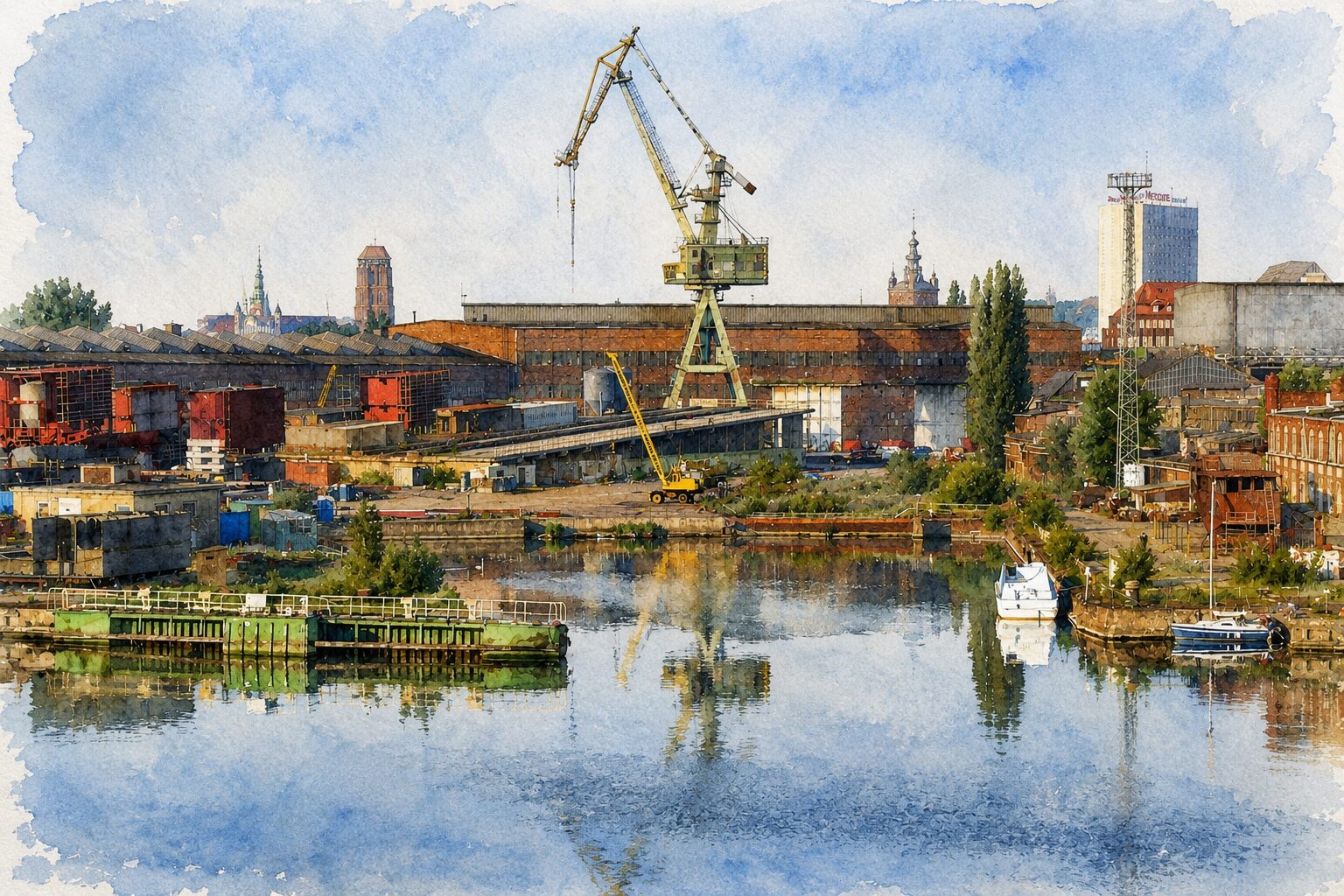
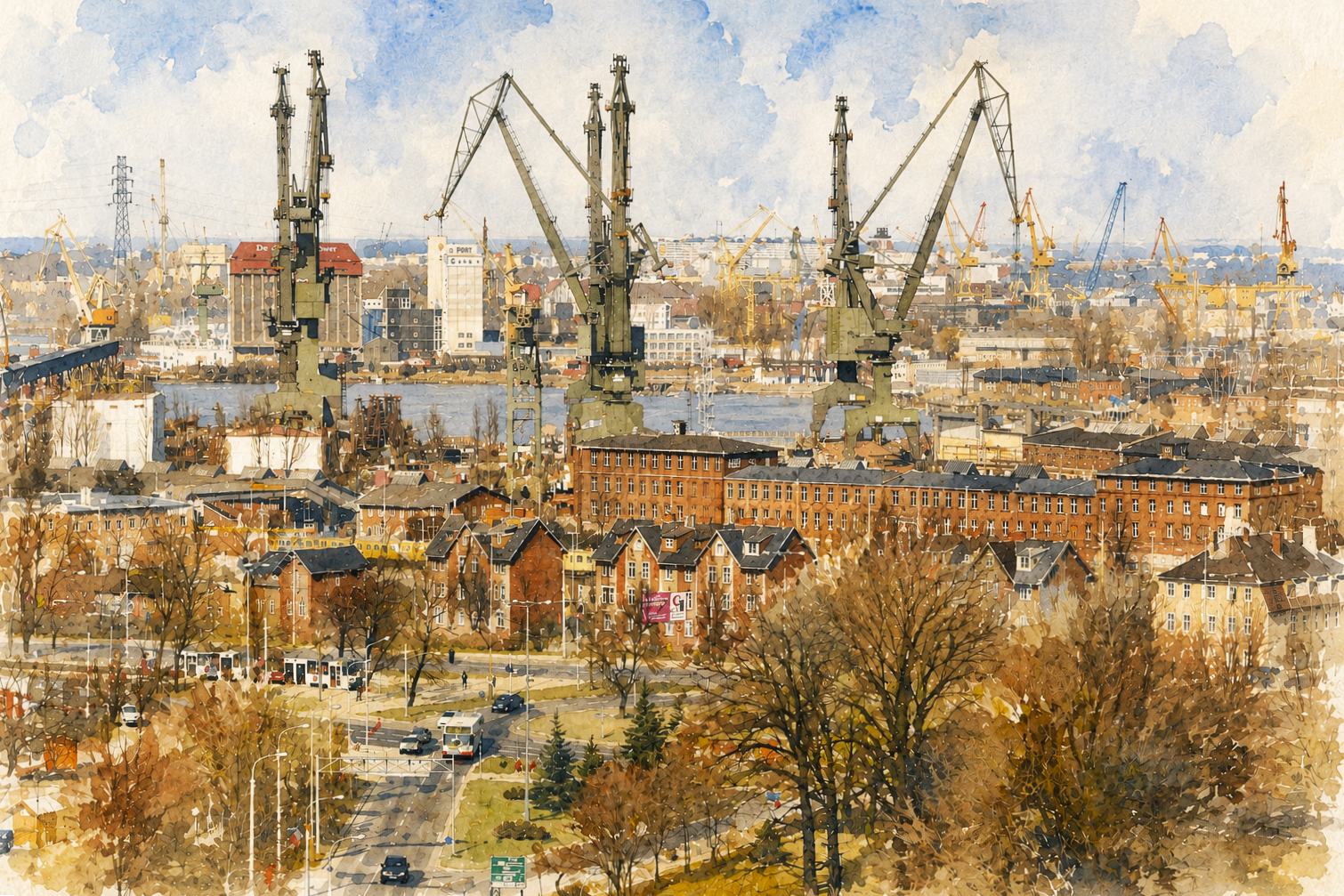
As an advisor to the Mayor of Gdansk, he advocated for the public acquisition of the Gdansk Shipyard and its integration into the historic city centre, recognising the strategic importance of the cultural heritage associated with the birth of the Solidarity movement. He initiated the creation of the Gdansk Shipyard Artists’ Colony whose activities – particularly those focused on cultural heritage – played an important role in restoring public interest in the area and fostering a more positive attitude toward its planned transformation.
He conducted a research project with the University of Wolverhampton focusing on the role of culture and memory in the transformation of post-industrial areas in Glasgow, Hamburg, Milan, and Gdansk. He also played an active role in establishing the Polish chapter of INTBAU, becoming a member of its board at the time of its founding. Within this framework, he introduced the issue of cultural heritage protection in the transformation of the former Gdansk Shipyard into the organisation’s agenda. This subject was presented at both national and international conferences, including the INTBAU World Congresses in Krakow (2013) and London (2015).
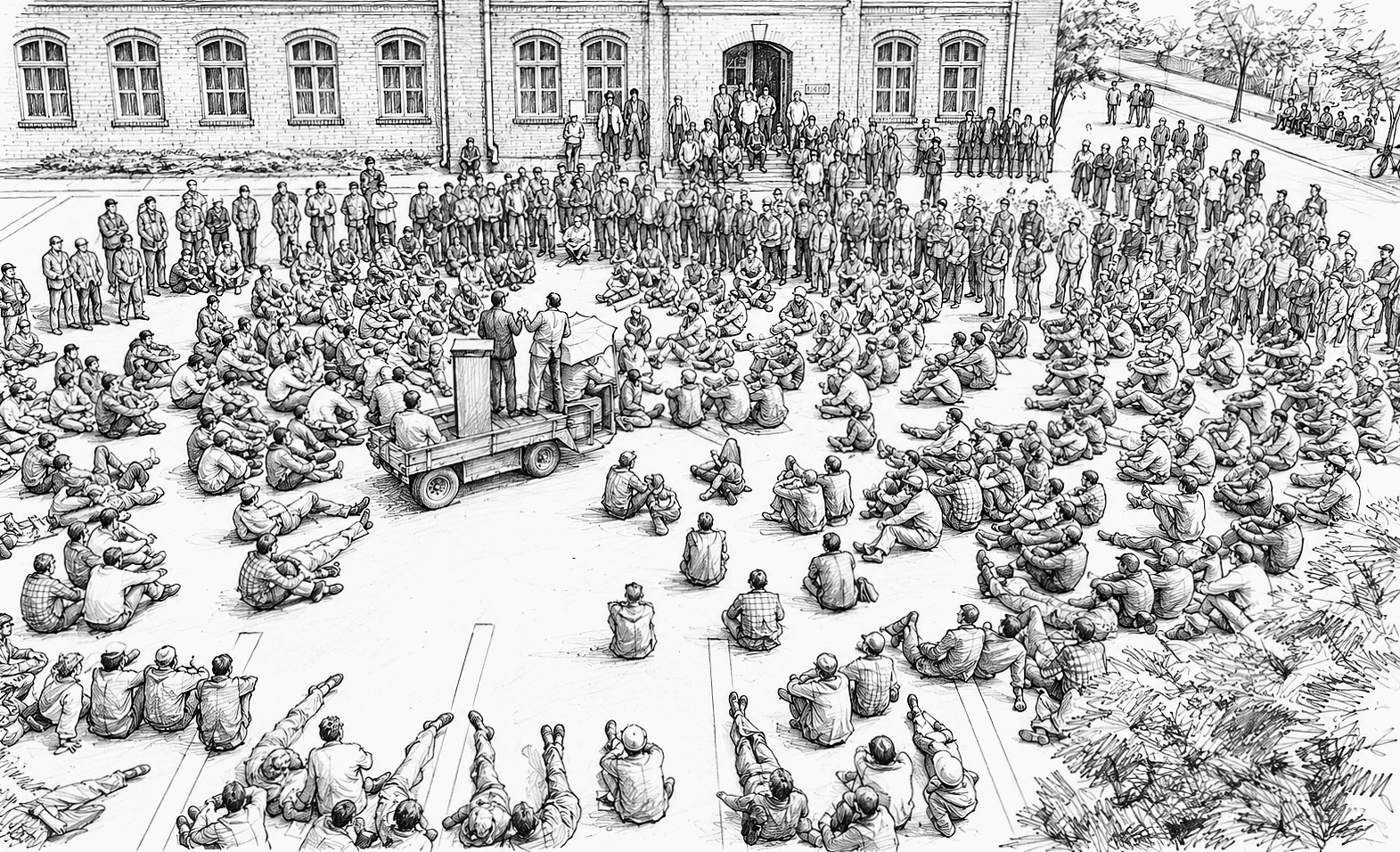
He initiated the informal civic platform Gdansk–Shipyard Agreement – a collaborative network bringing together individuals and groups who, despite differing visions for the site’s future, committed to the shared goal of protecting its traditions linked to shipbuilding and the Solidarity movement. In 2018, he organised and led a series of presentations and a public debate that resulted in a broadly agreed understanding of the cultural significance of the Gdansk Shipyard, particularly in the context of transforming part of the area into a new urban district. The programme took place in the historic BHP Hall under the patronage of the European Year of Cultural Heritage 2018 and INTBAU Poland. This marked the beginning of the dialogical and participatory process Shipyard Anew, which he led under the patronage of INTBAU Poland and the University of the West of Scotland. The outcome was the first independent, community-based vision and development strategy for the former shipyard area, titled Dreams to Fulfil. As an expert for the Solidarity Heritage Institute, he contributed to incorporating selected social proposals from this document into the official Management Plan – as part of Poland’s nomination dossier for the inscription of the Gdansk Shipyard on the UNESCO World Heritage List in January 2020.
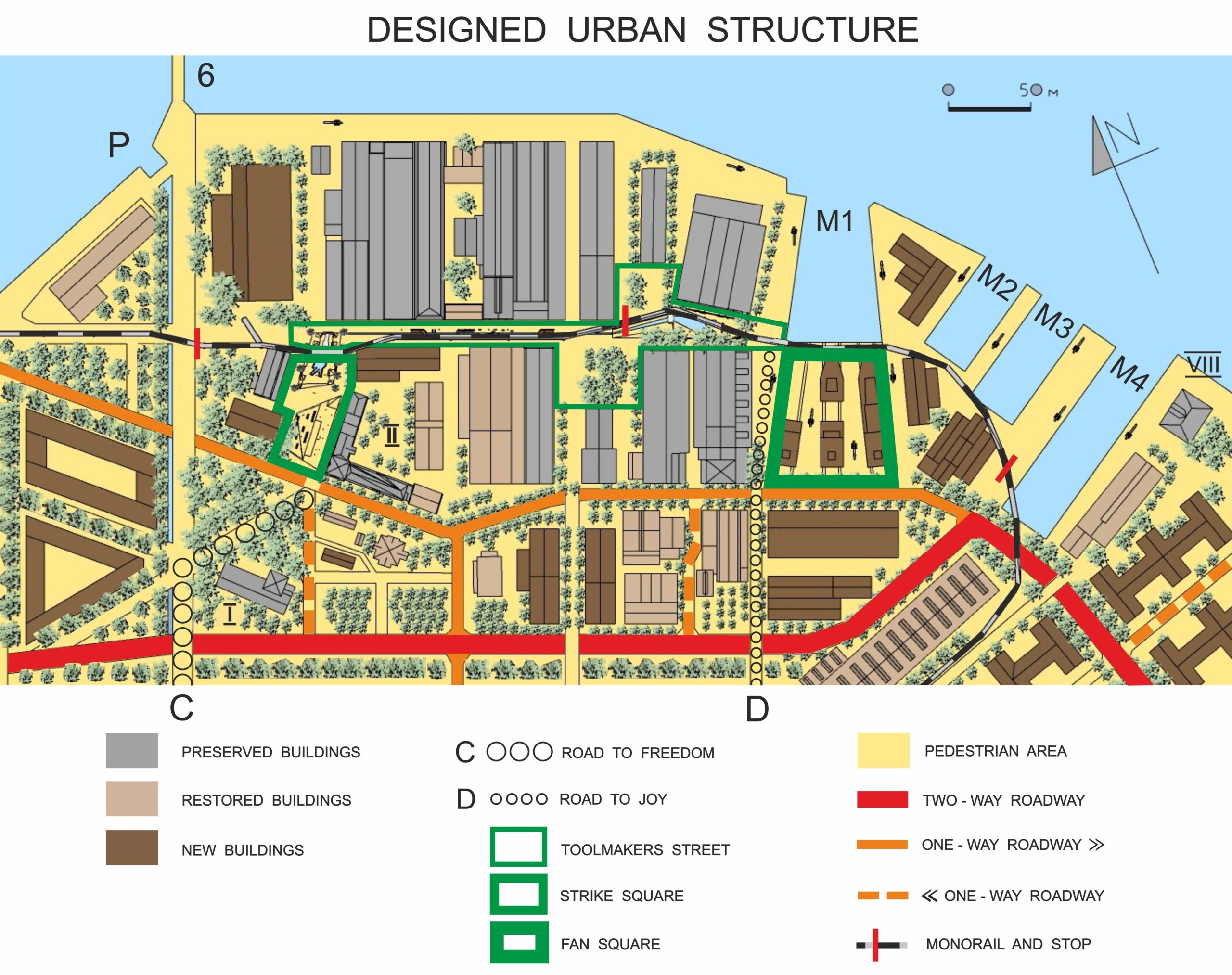
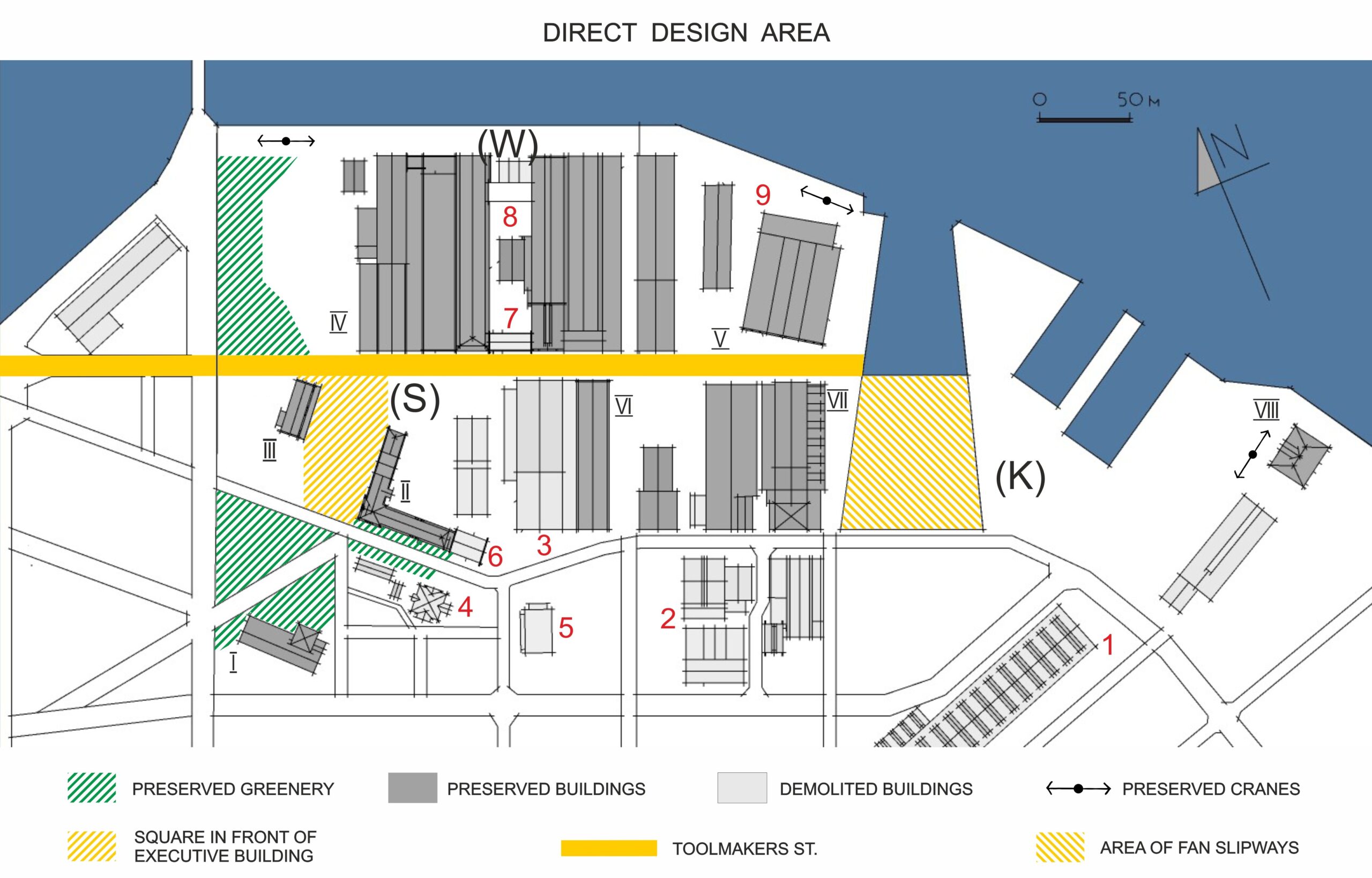
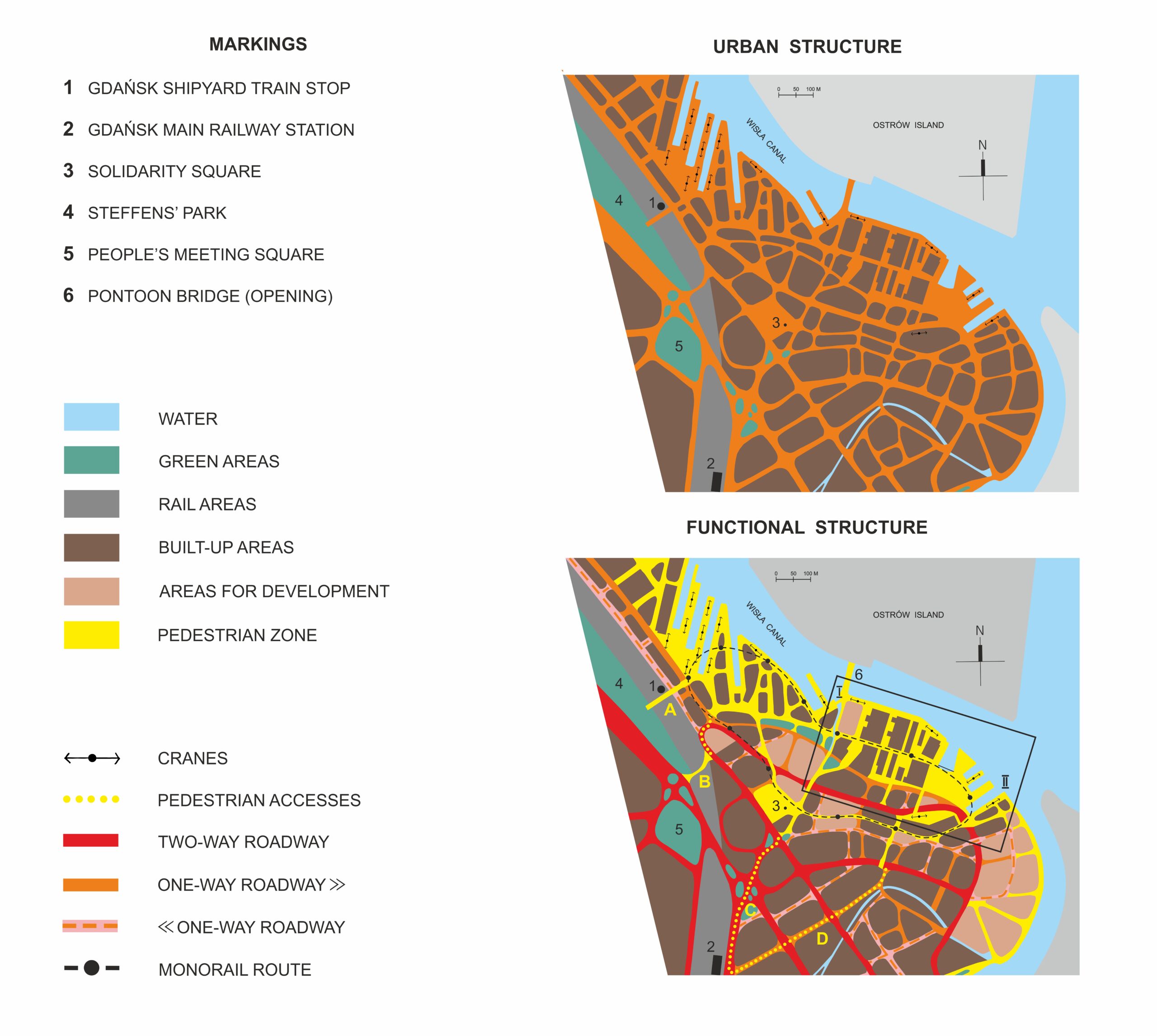
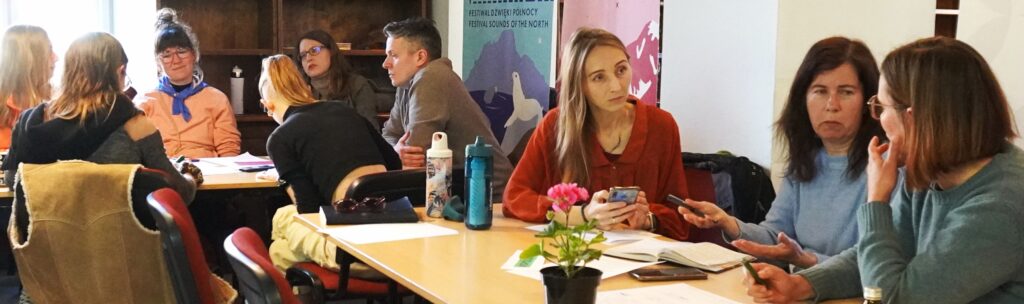
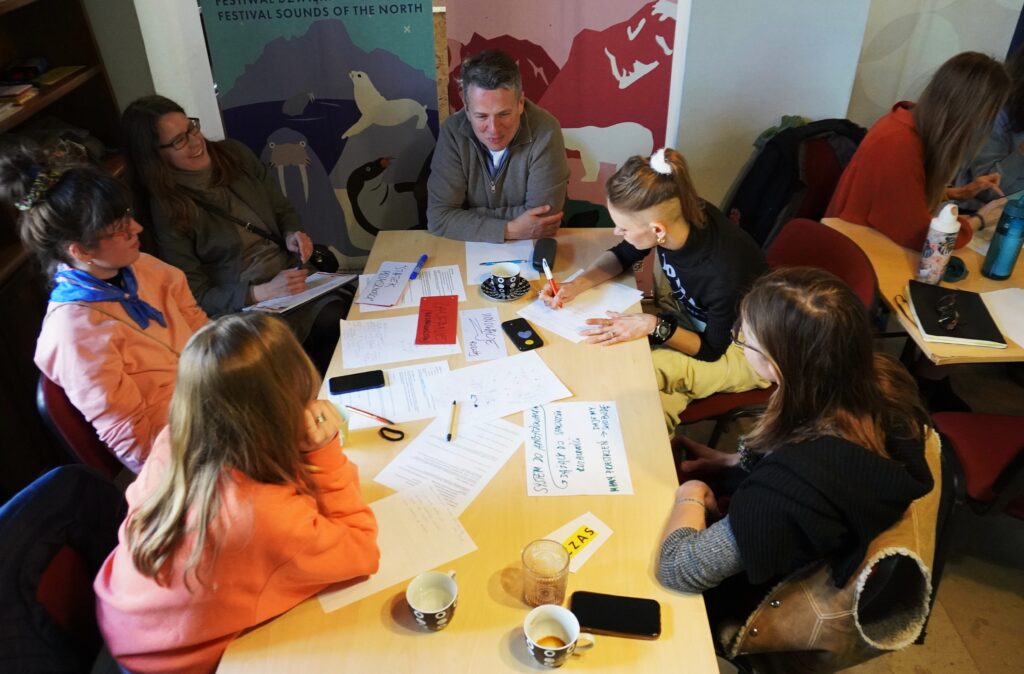
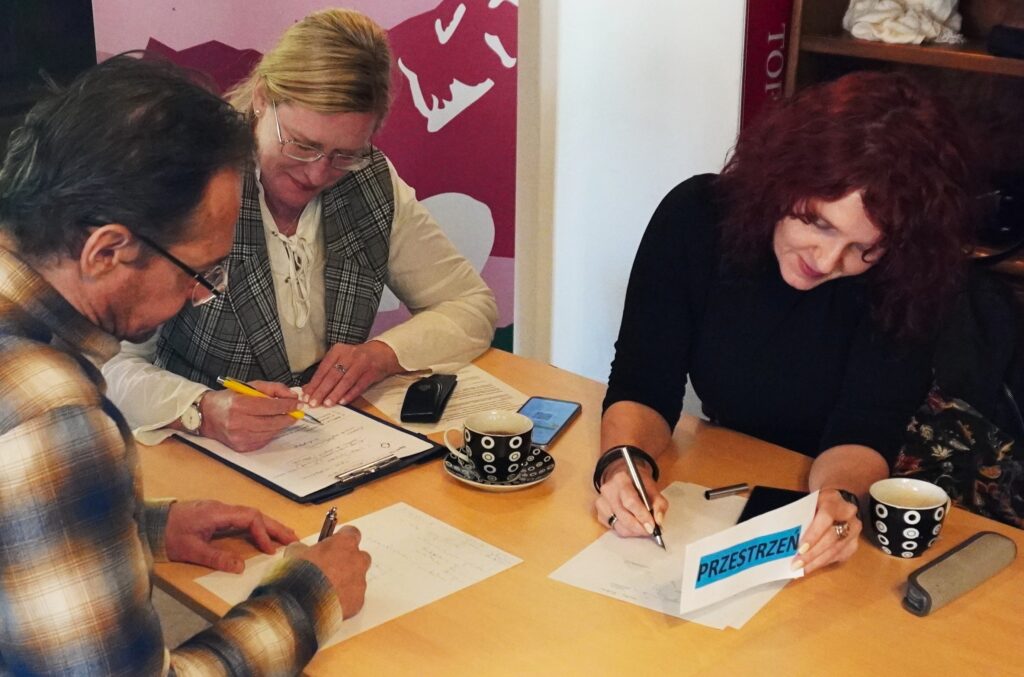
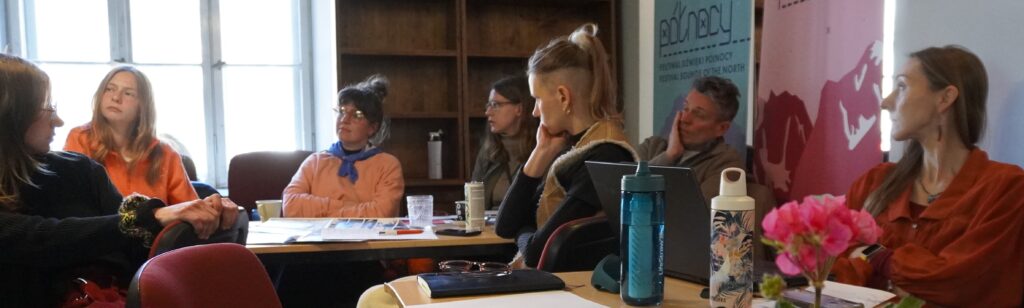
At the turn of April and May 2025, he organised a design charrette focused on the quality of public spaces necessary to support the creation of a sustainable and harmonious eco-community within the former Gdansk Shipyard. Some of the ideas developed during this process were further elaborated in the urban and architectural designs of the Sensitive Shipyard project, supported by an INTBAU Grassroots Grant.
He is currently completing his doctoral research at the University of the West of Scotland, titled The Art of Solidarity. The research explores the role of culture and art in independent processes of generating social knowledge and its application in public action.