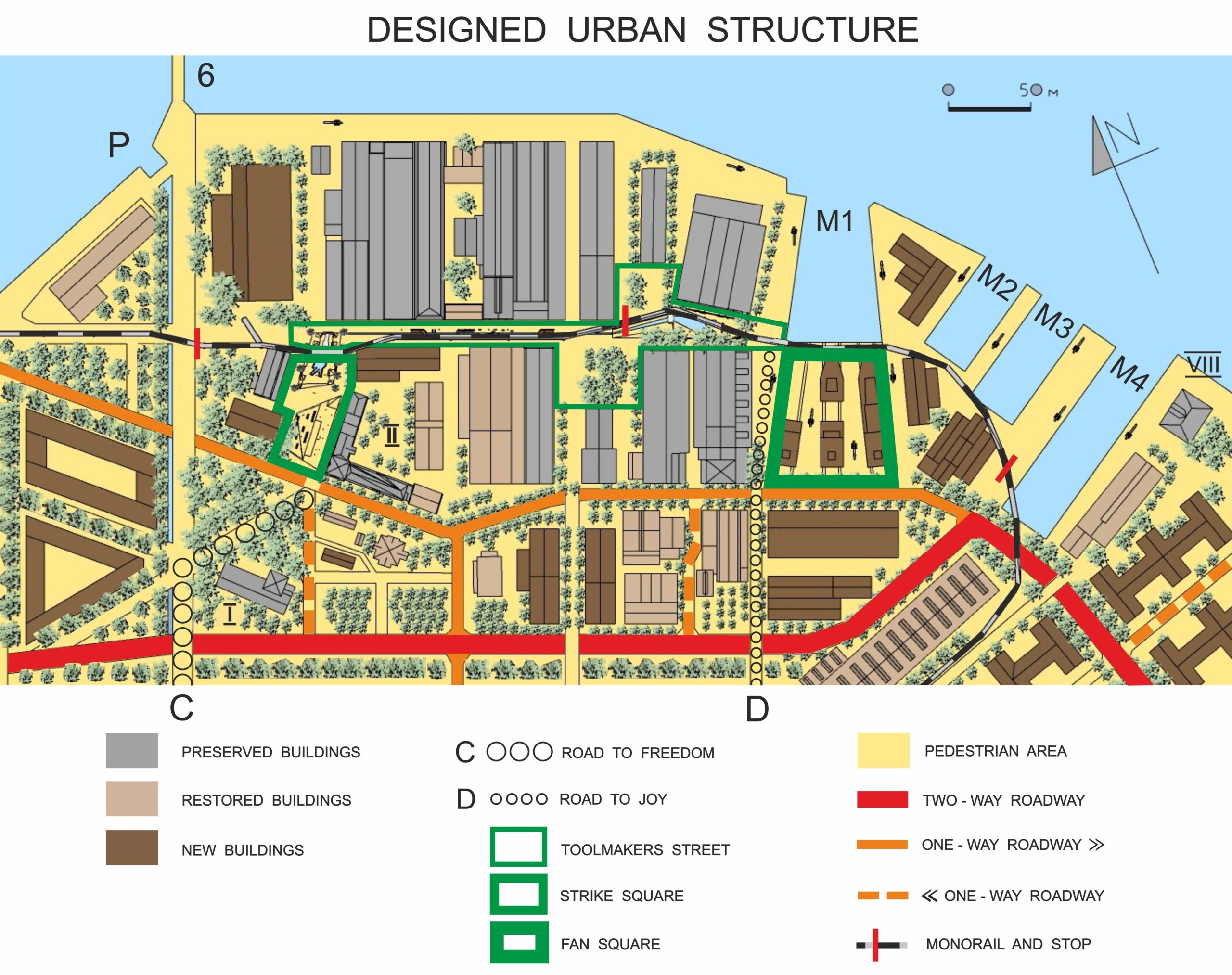
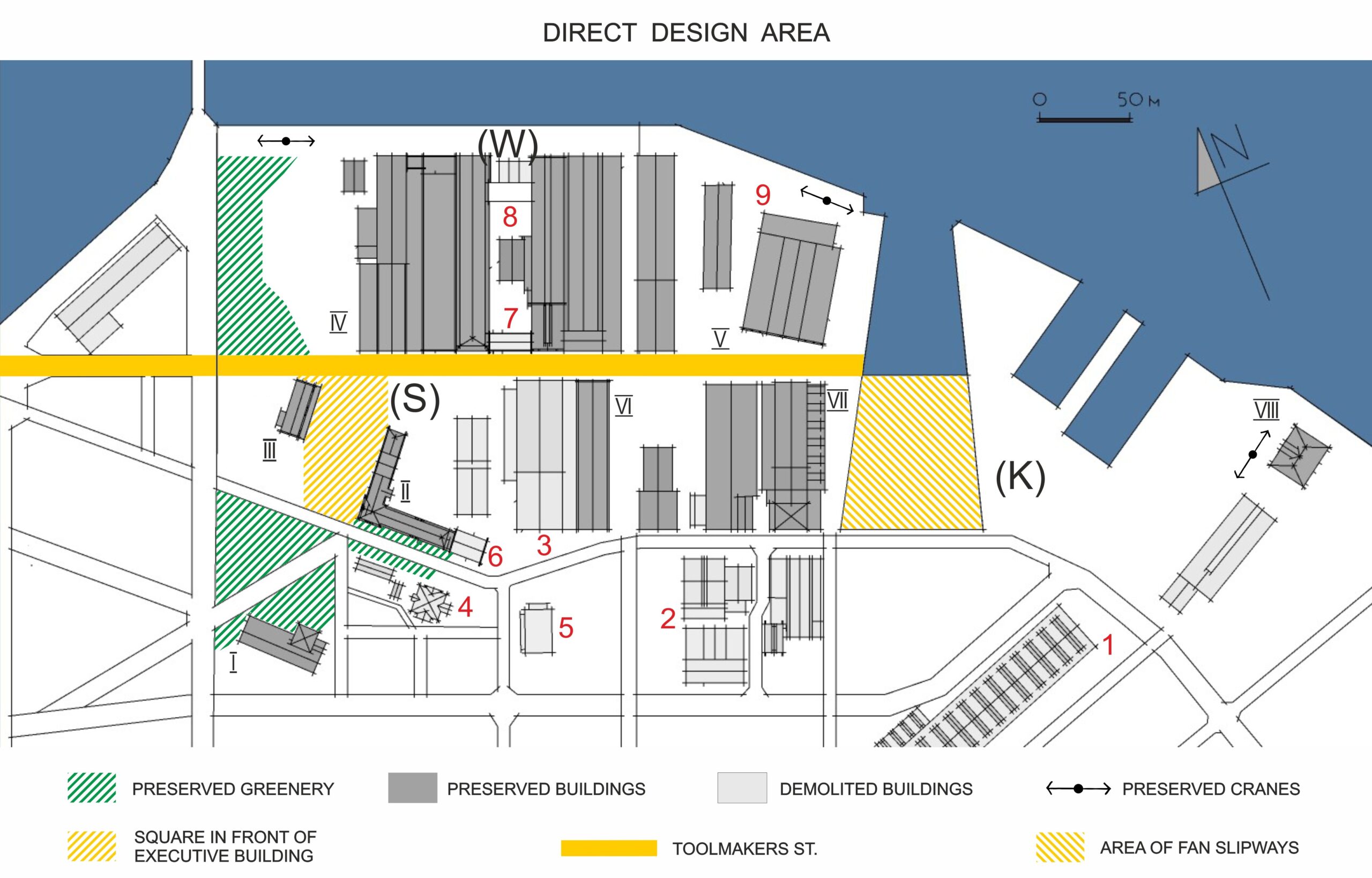
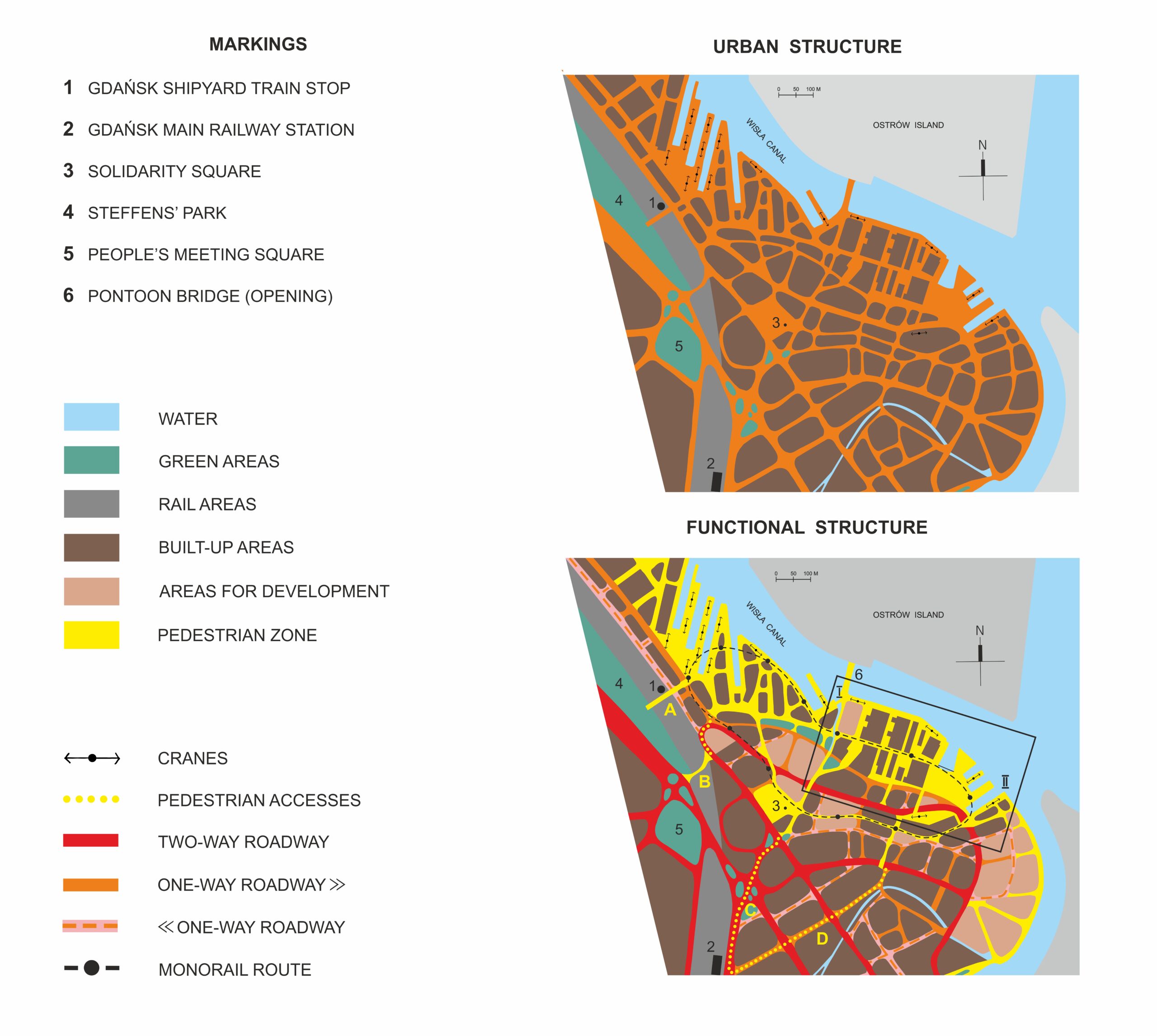
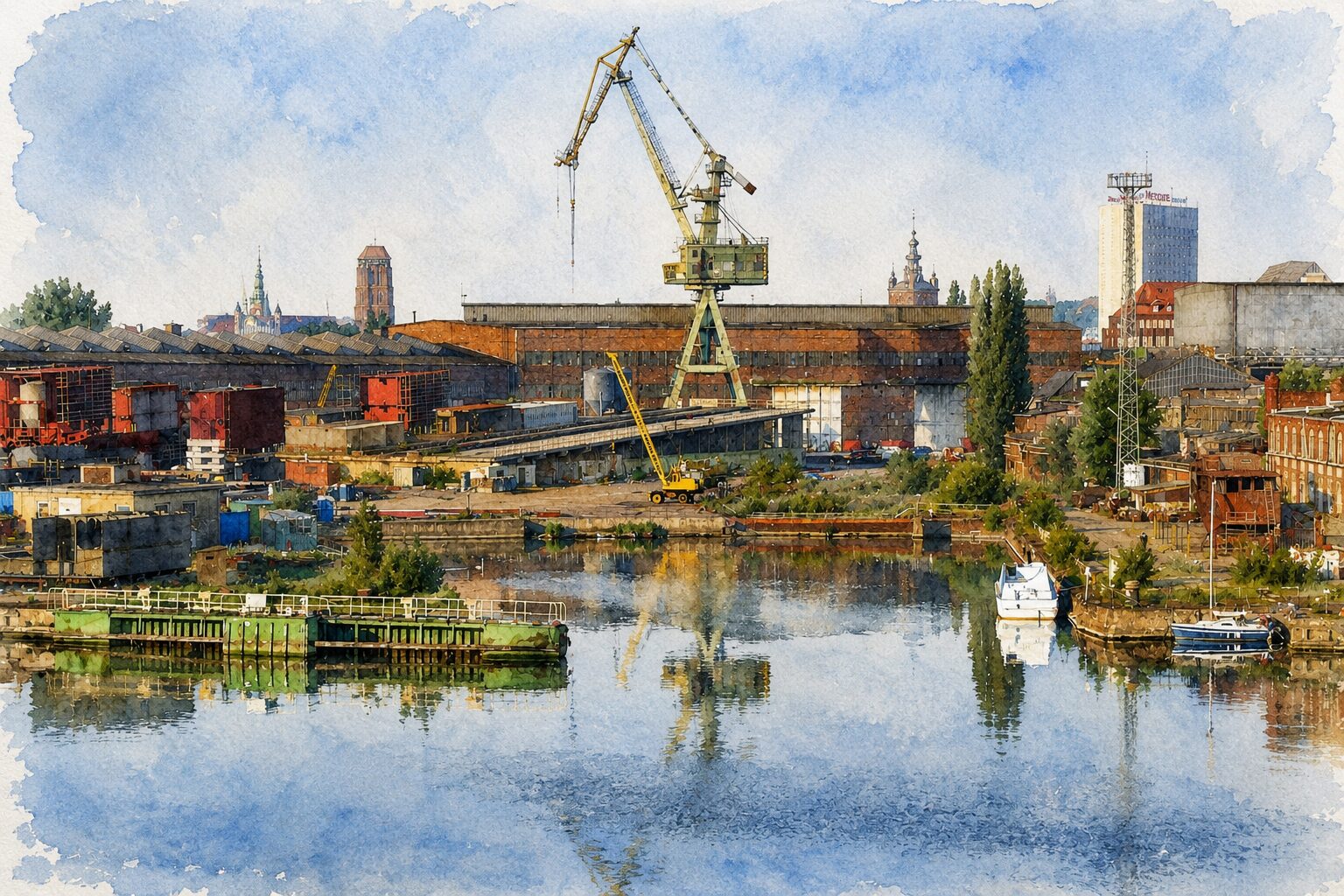
In 1988, the weakening communist authorities targeted the birthplace of Solidarity. Despite strong economic performance, the shipyard was placed into liquidation, leading to bankruptcy and mass layoffs by 1996. Following public protests, it was privatized in 1999, and half of its centrally located land was sold to private developer. This was a traumatic experience for most residents of Gdansk and the region.
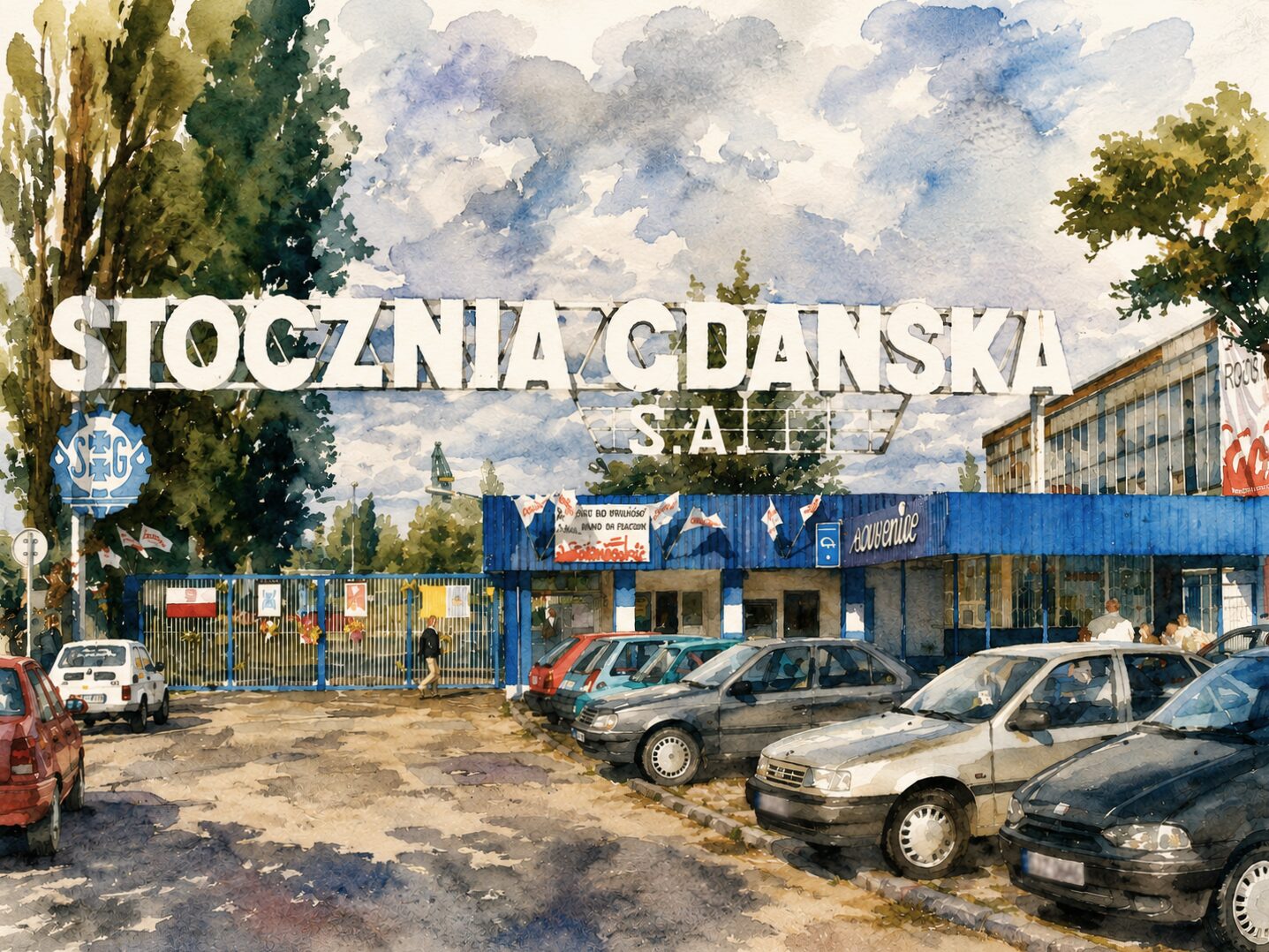
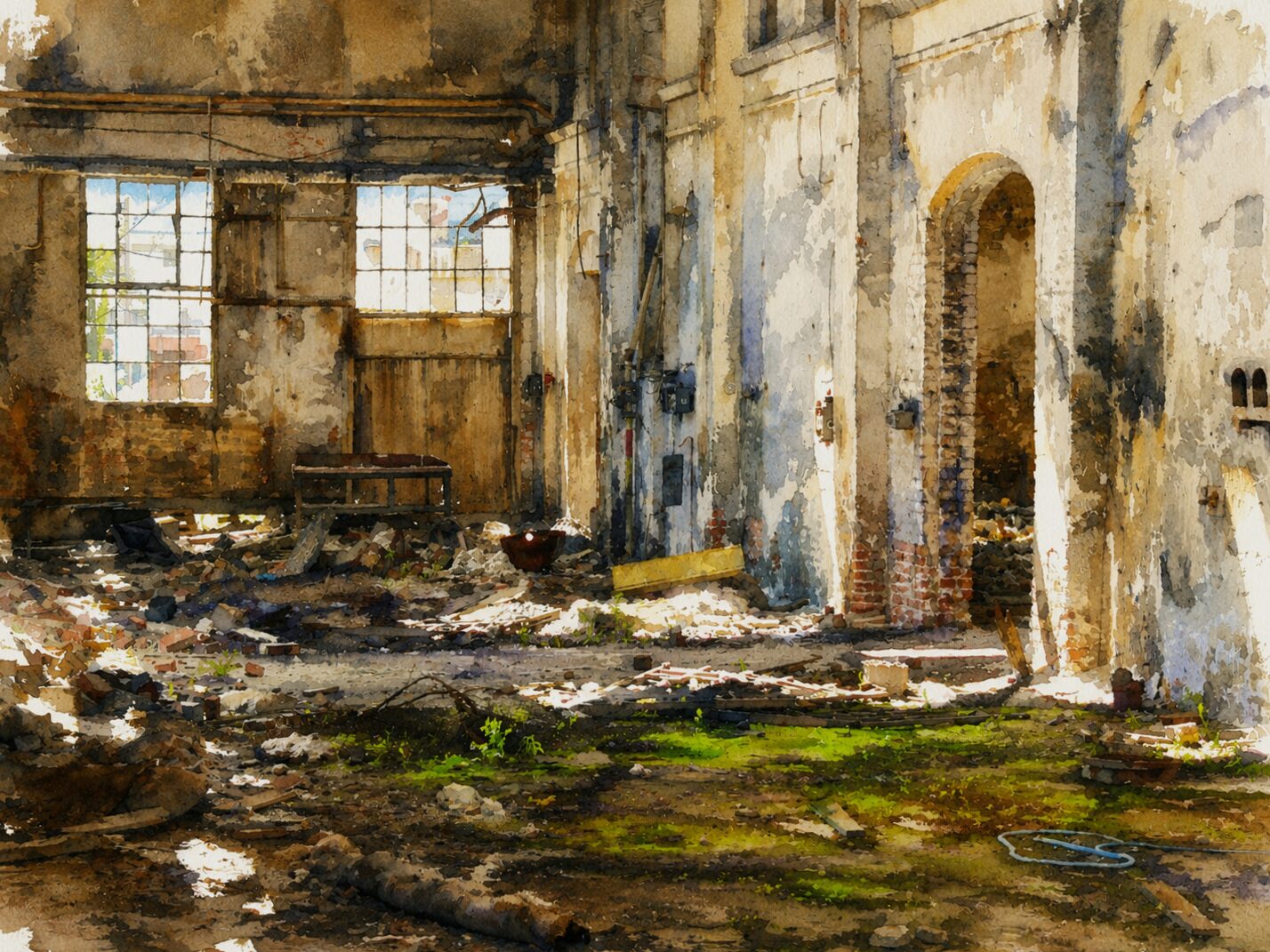
Abandoned Shipyard of Solidarity (2002)
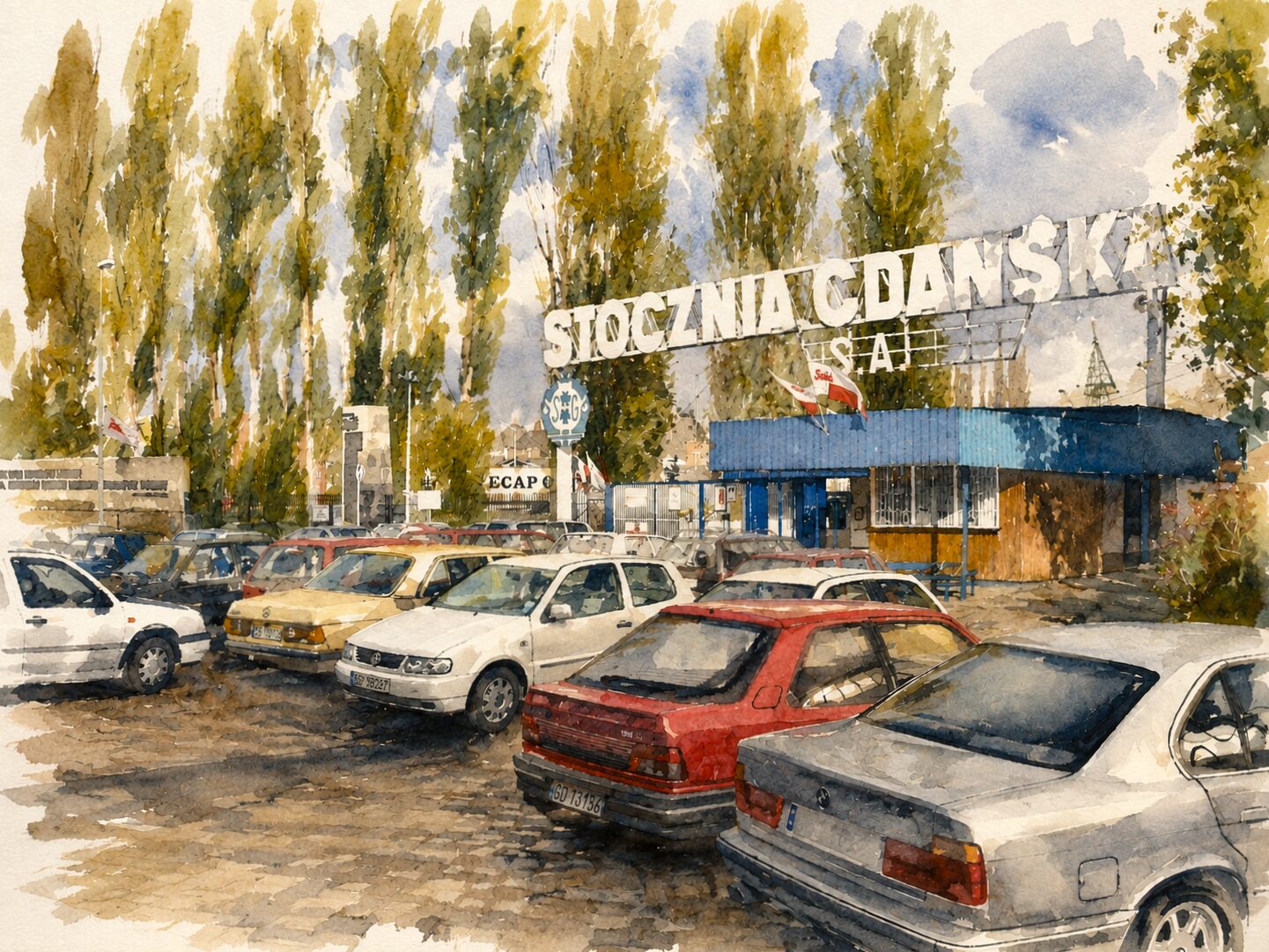
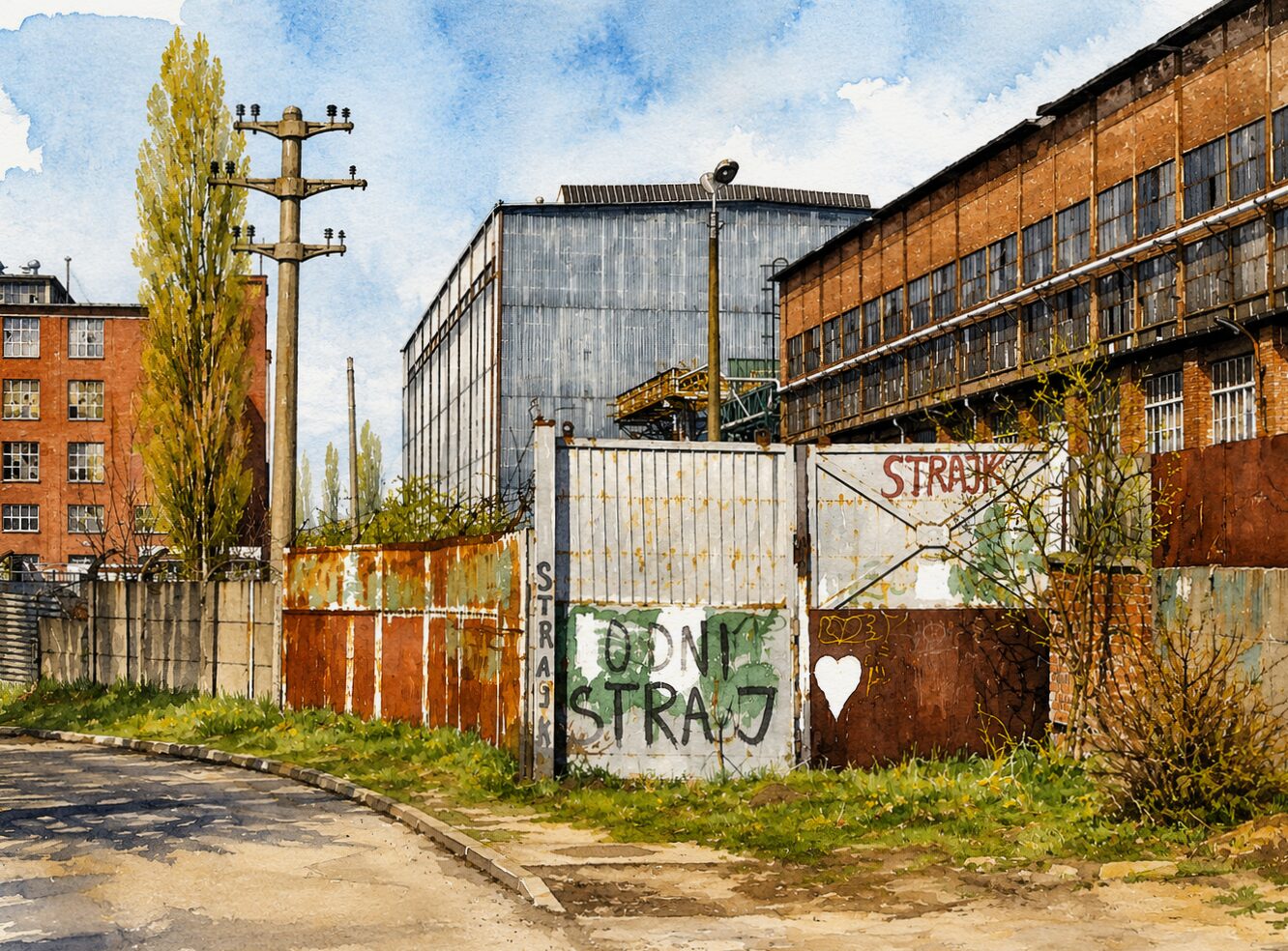
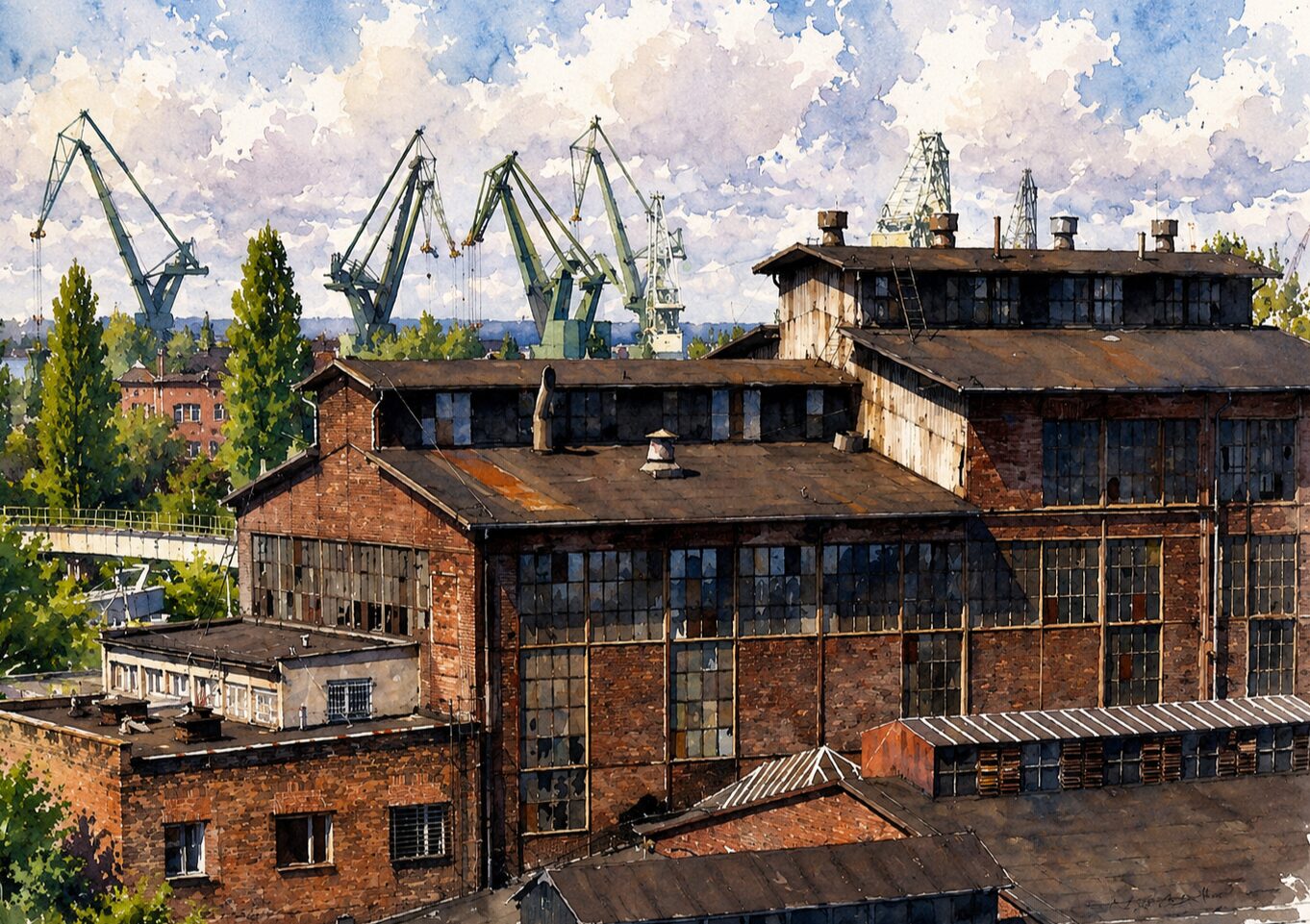
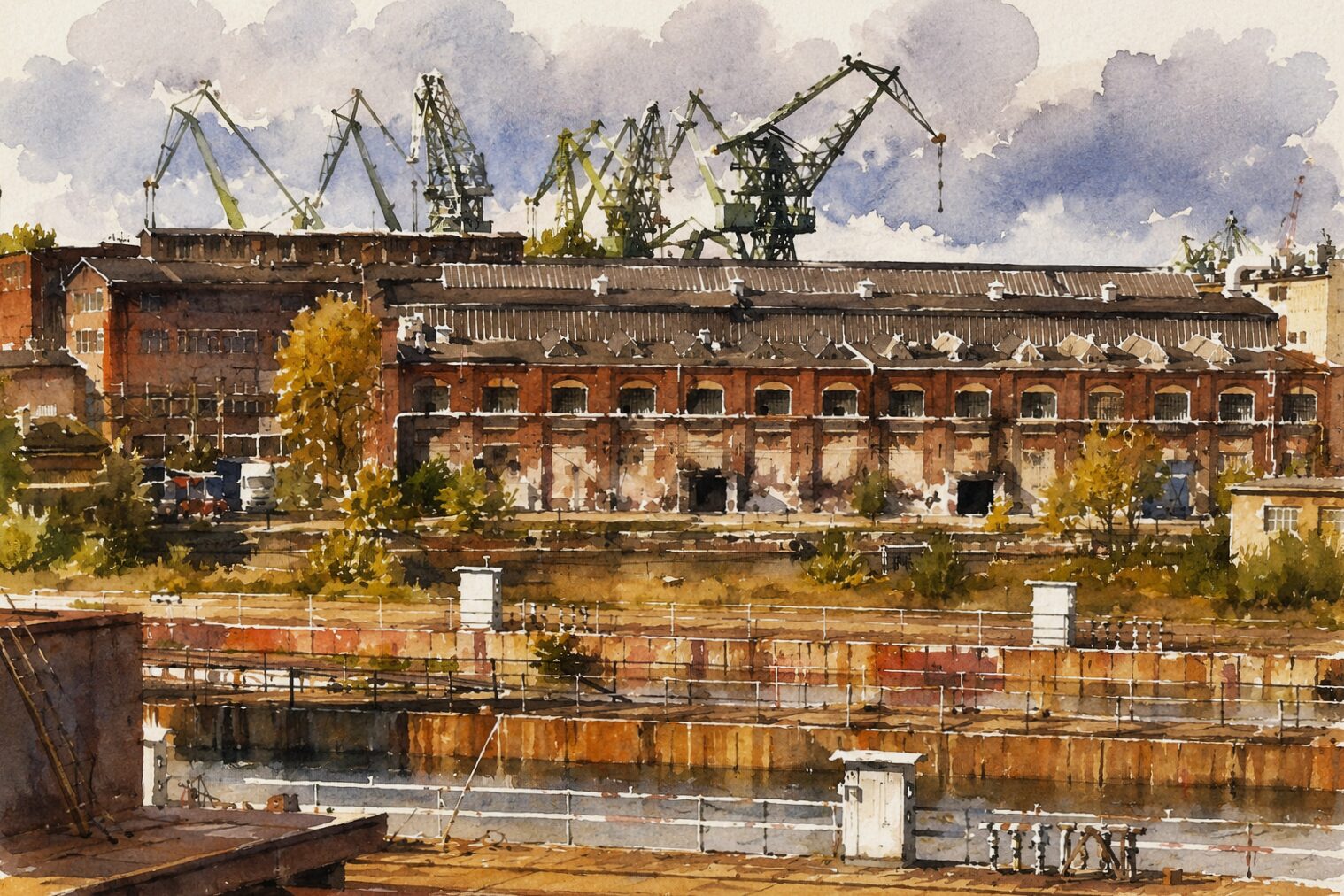
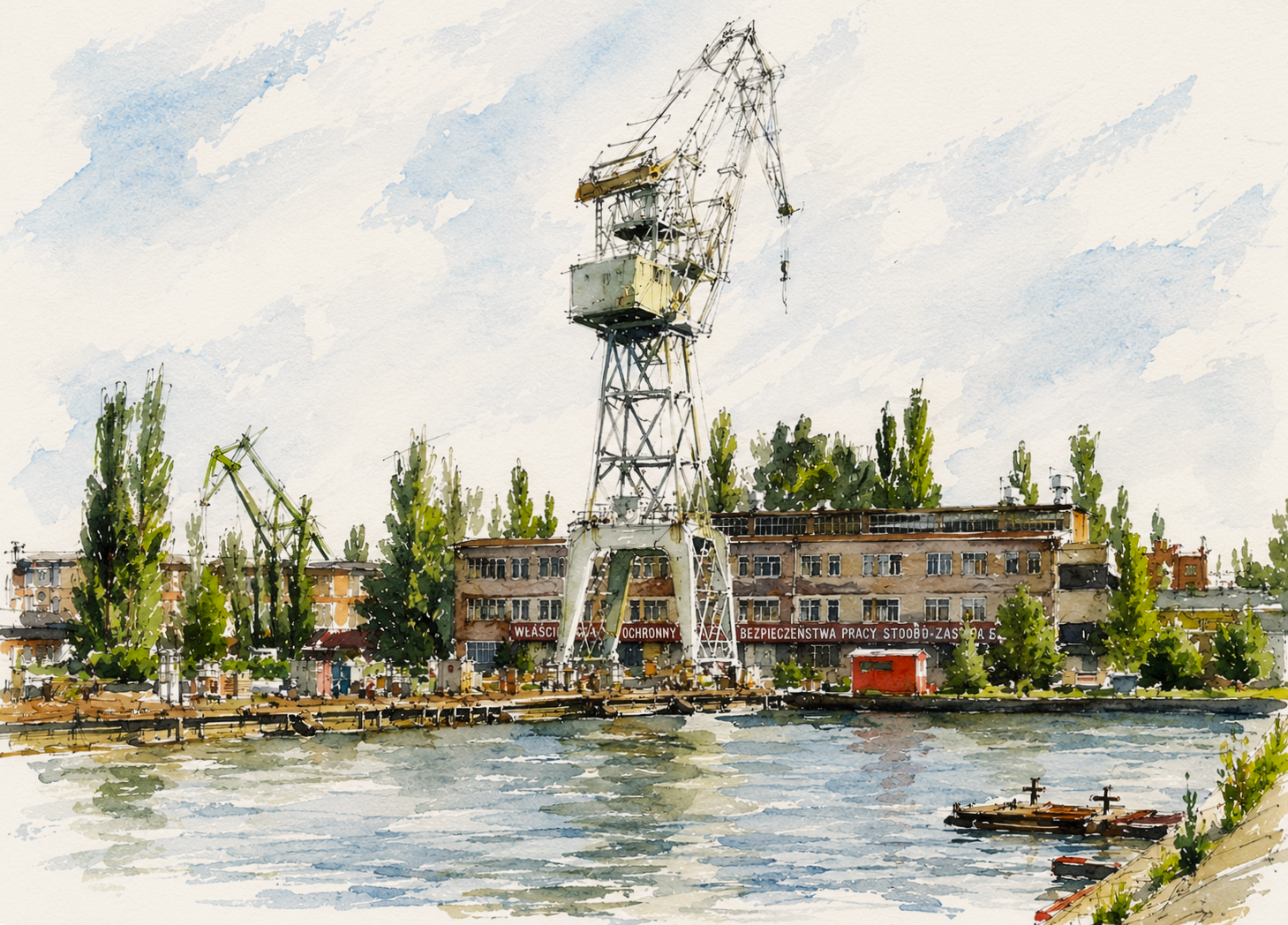
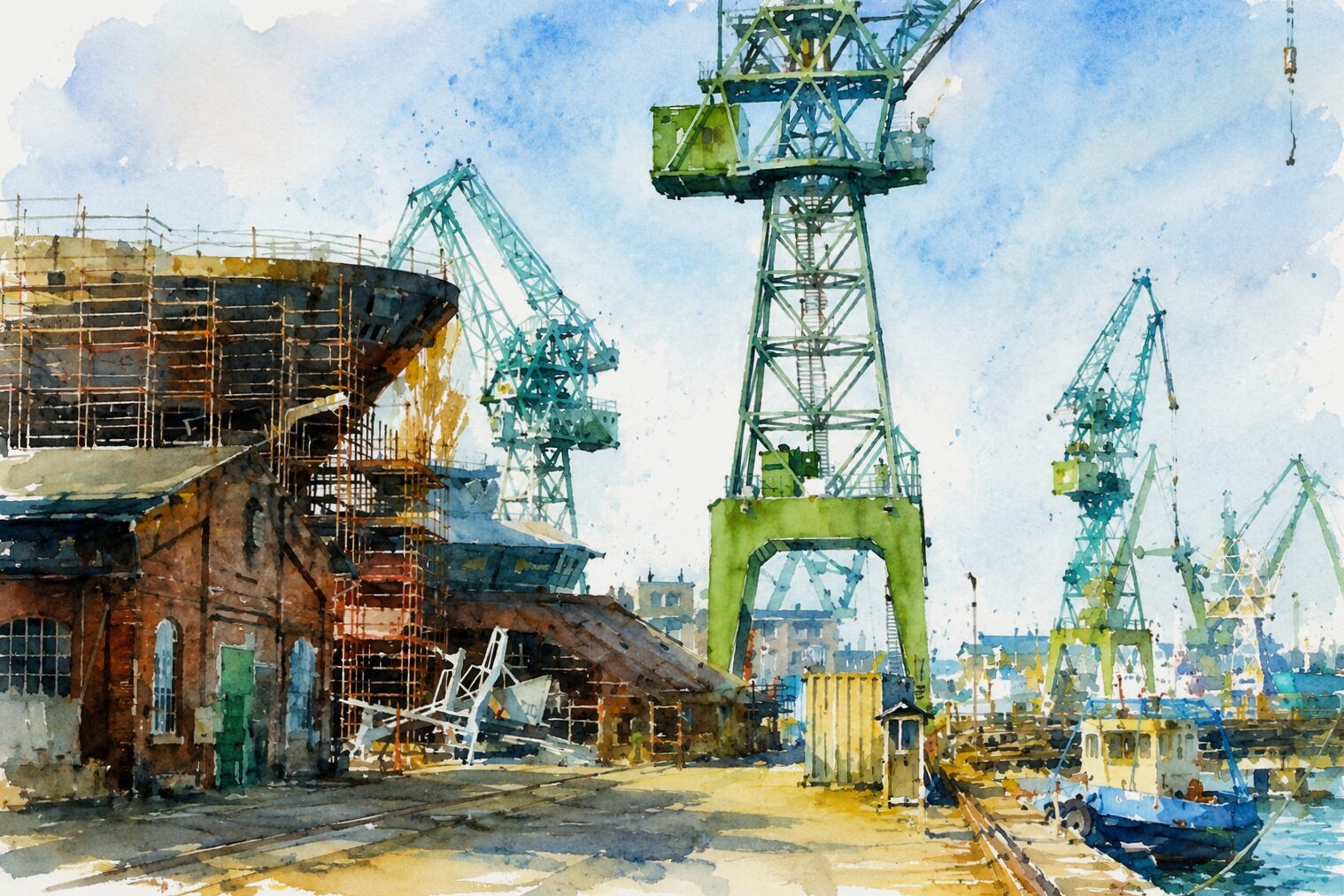
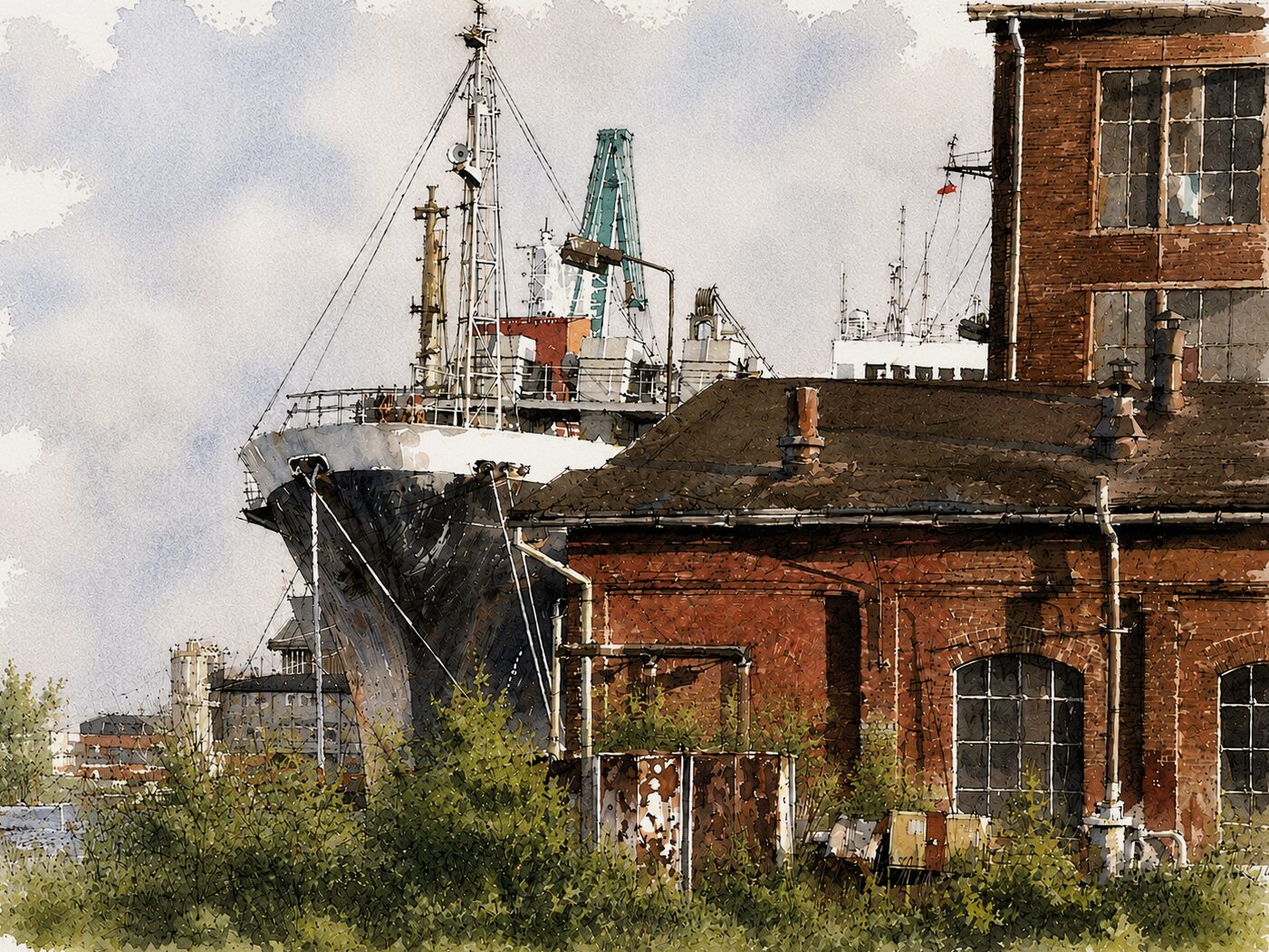
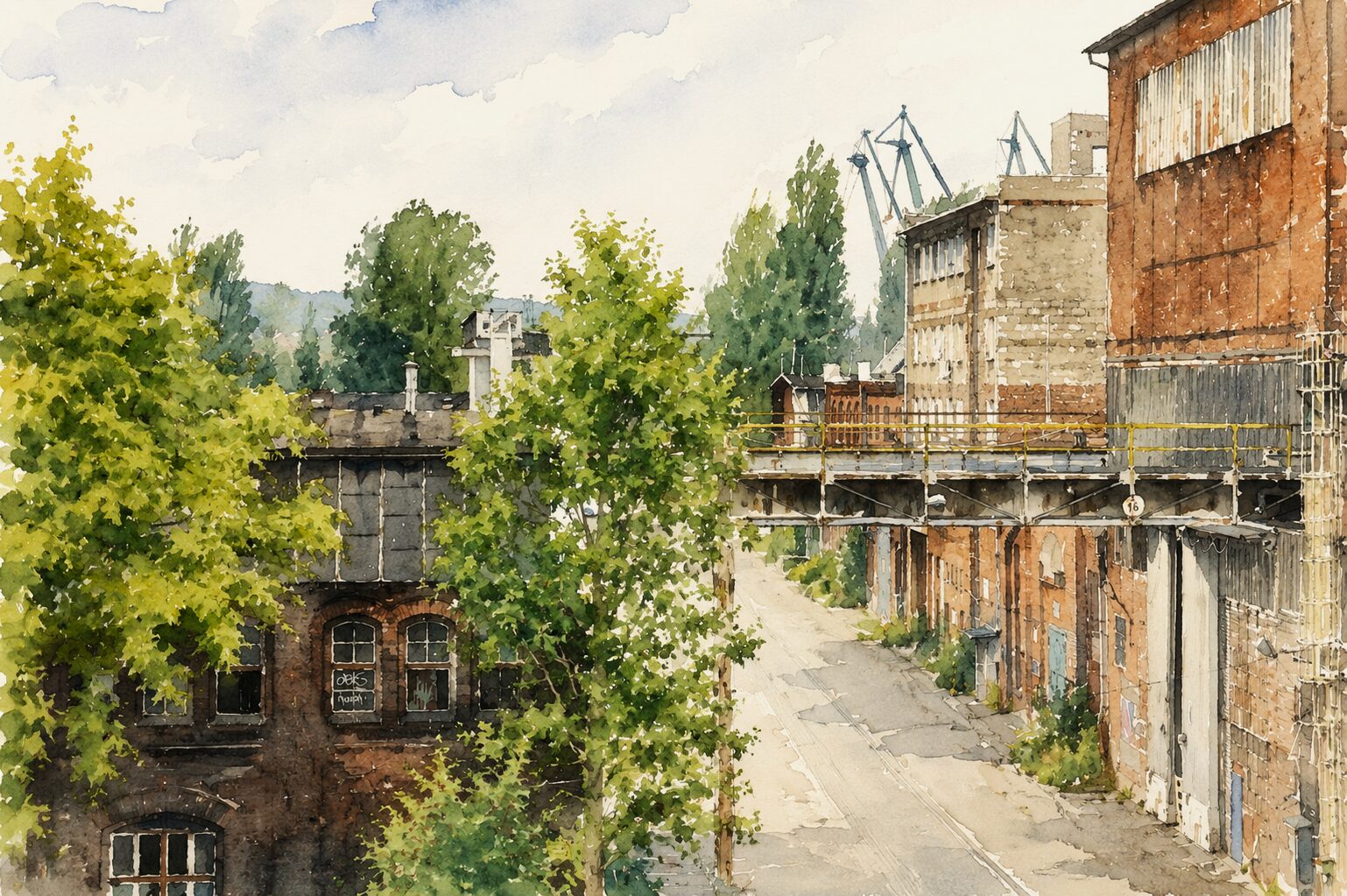
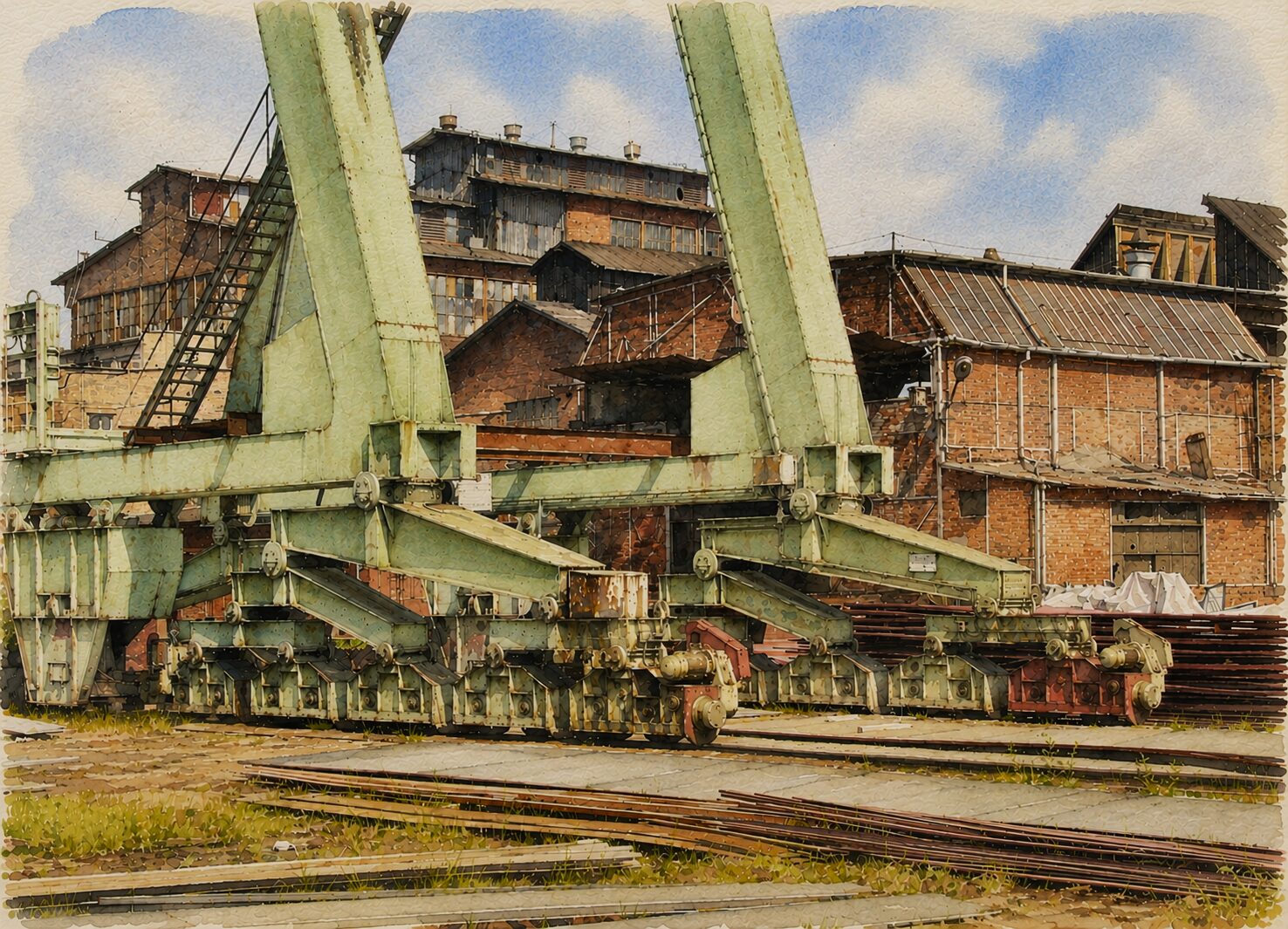
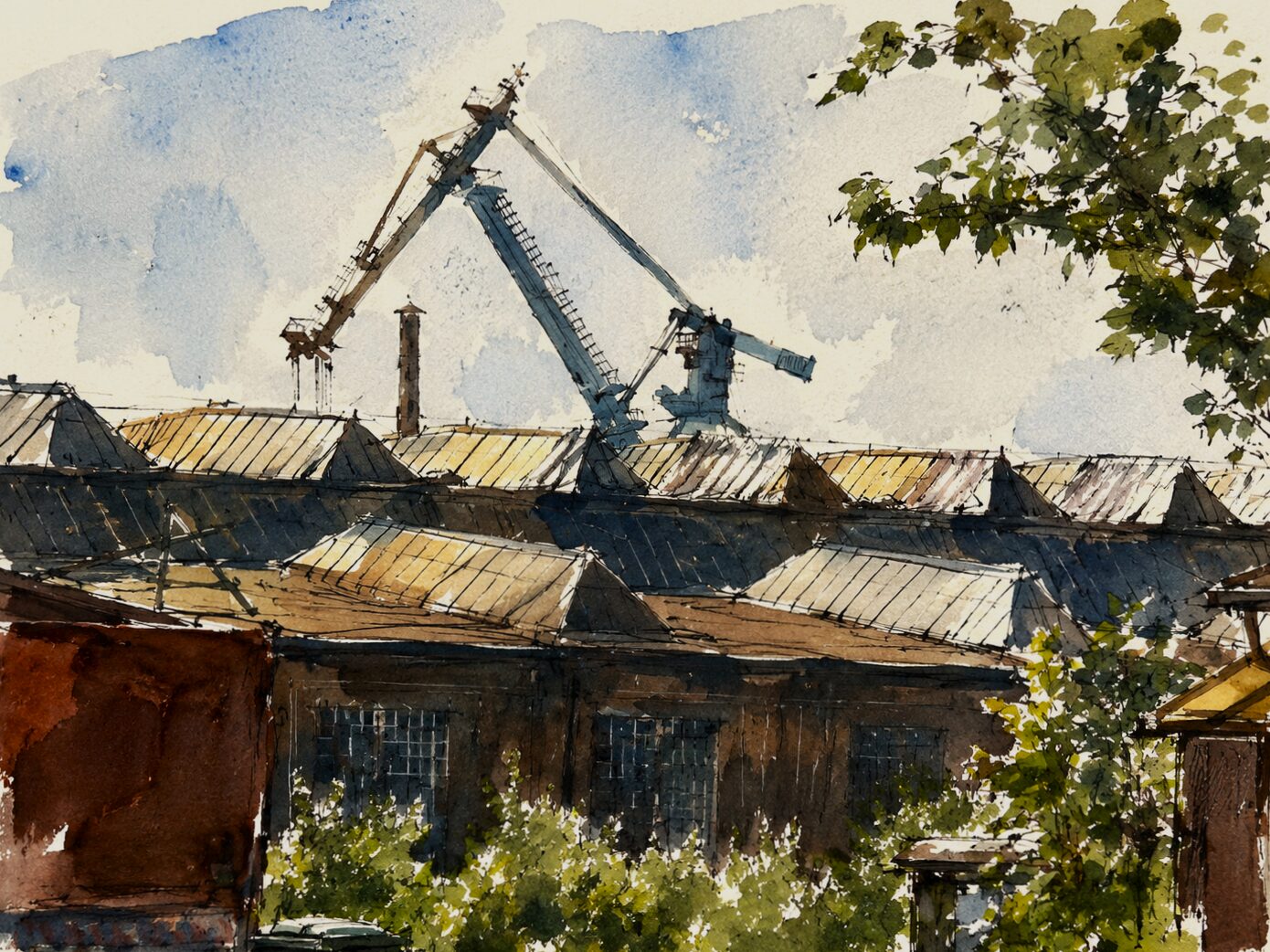
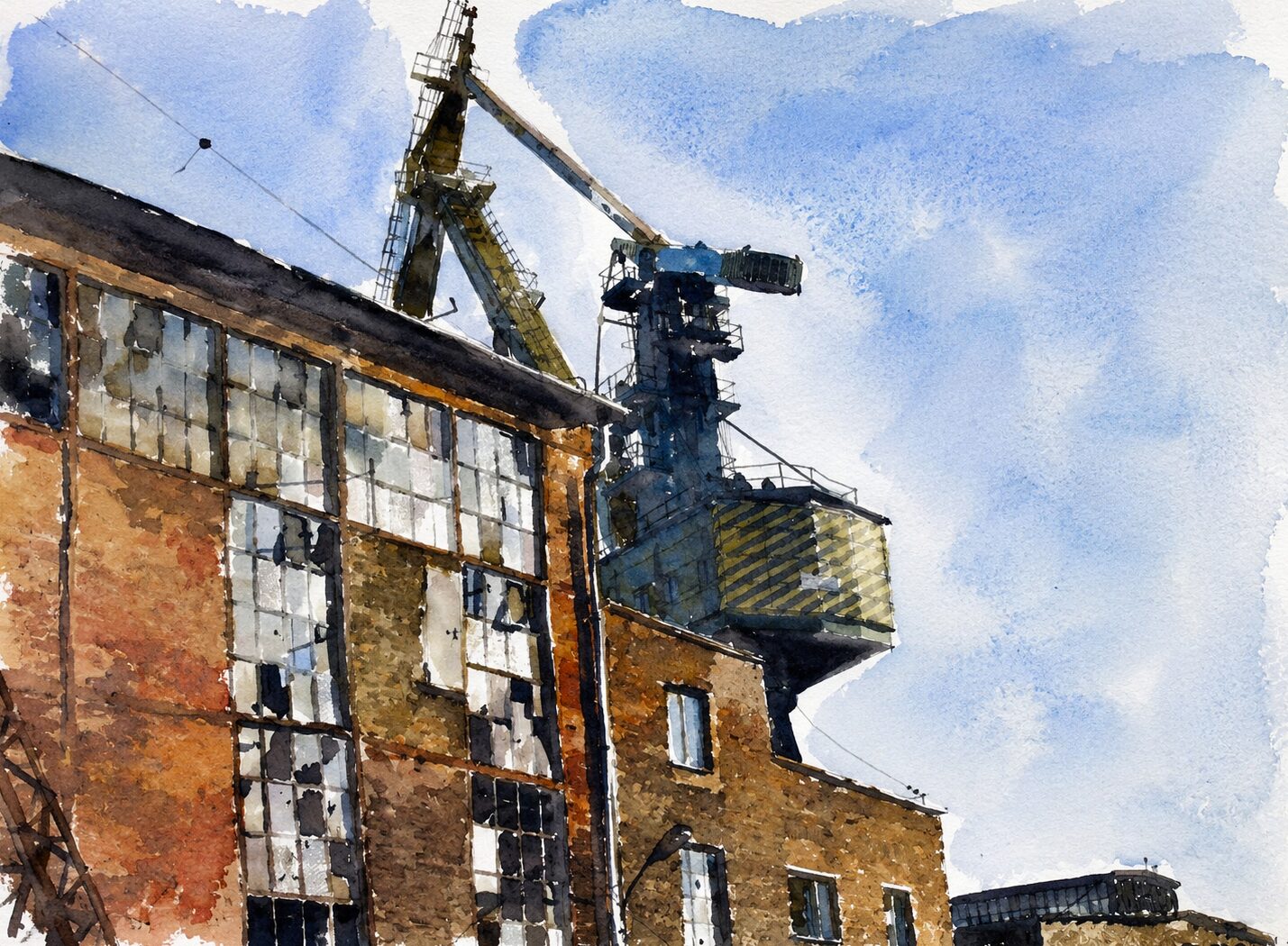
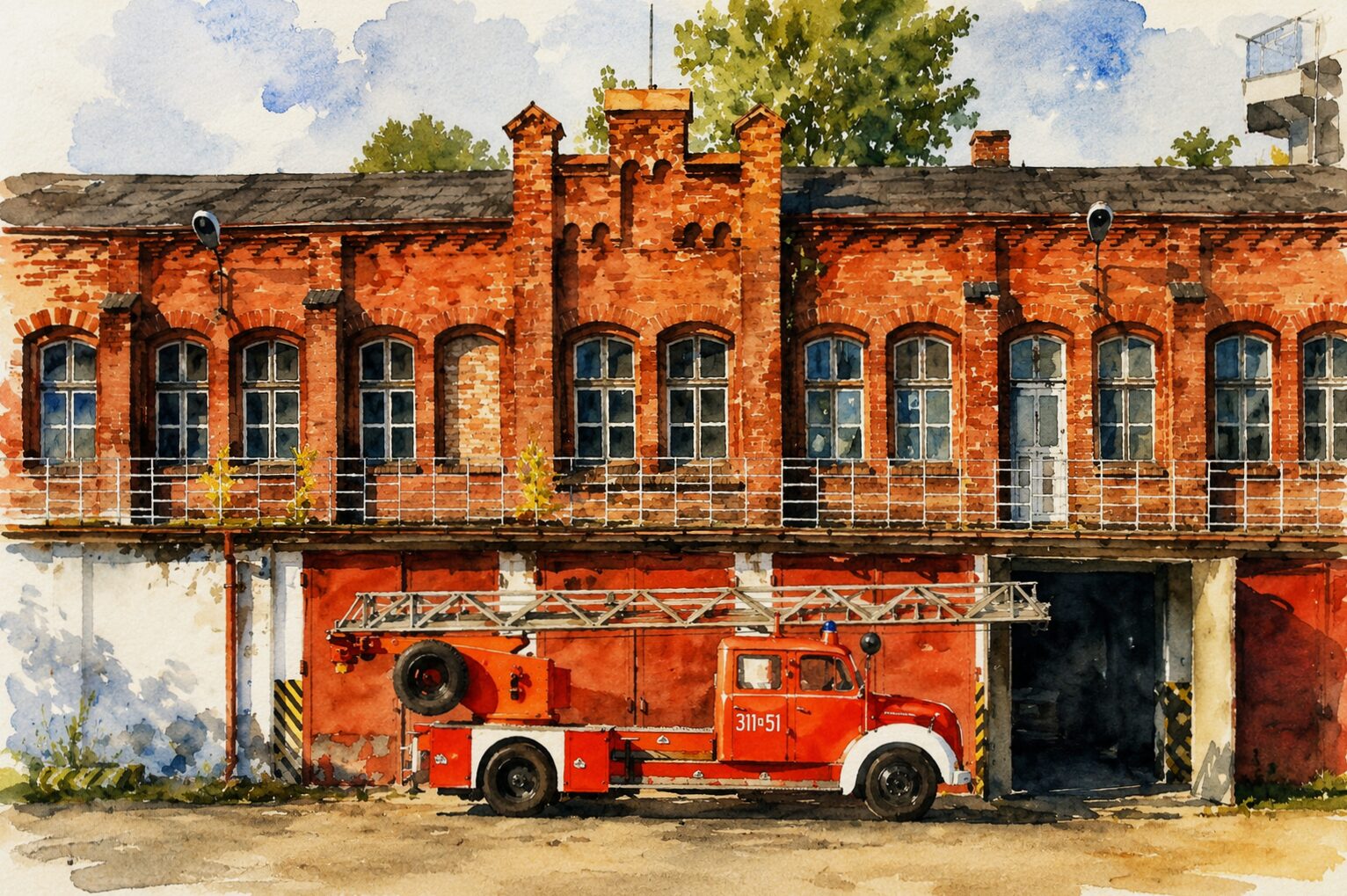
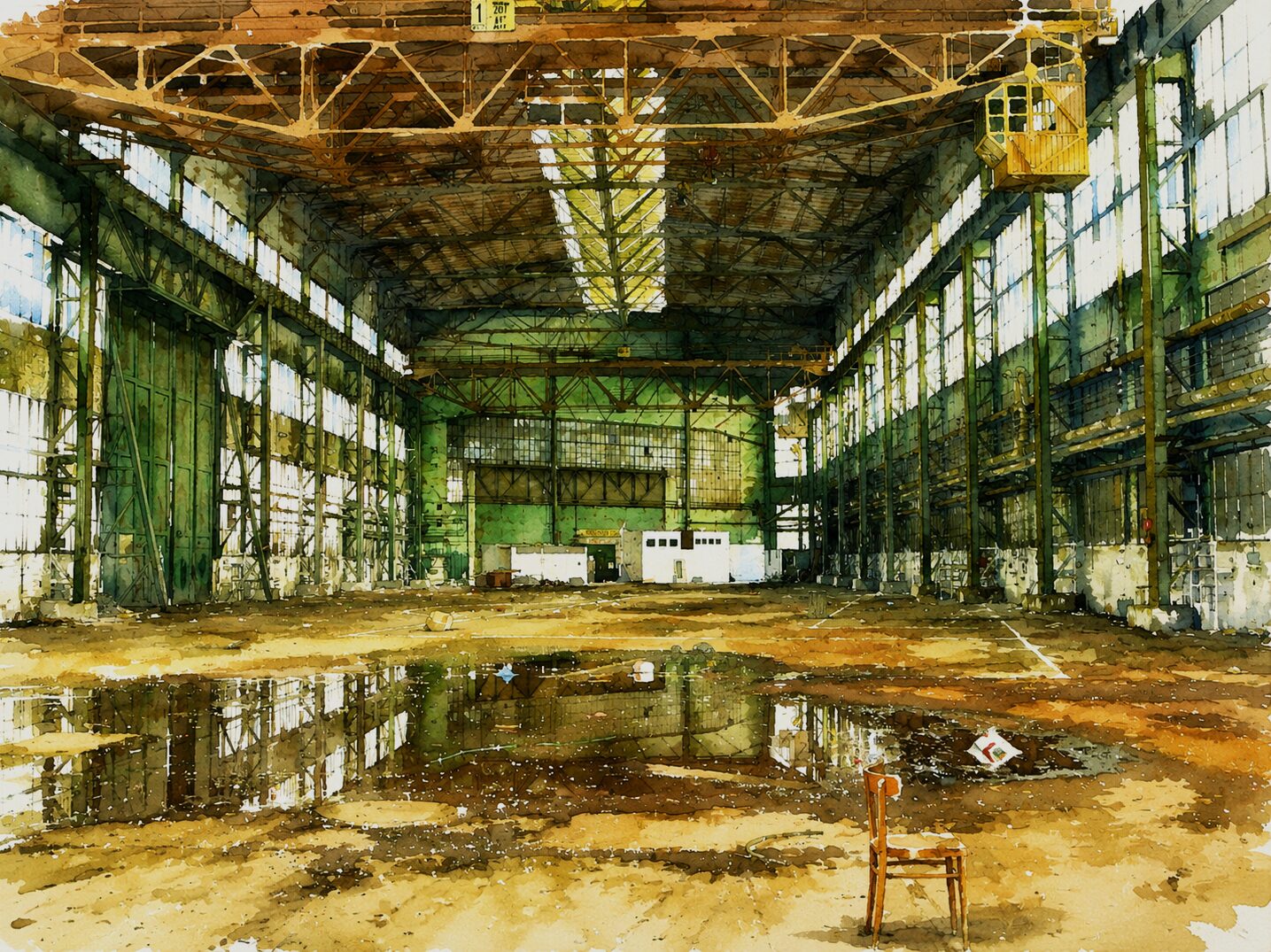
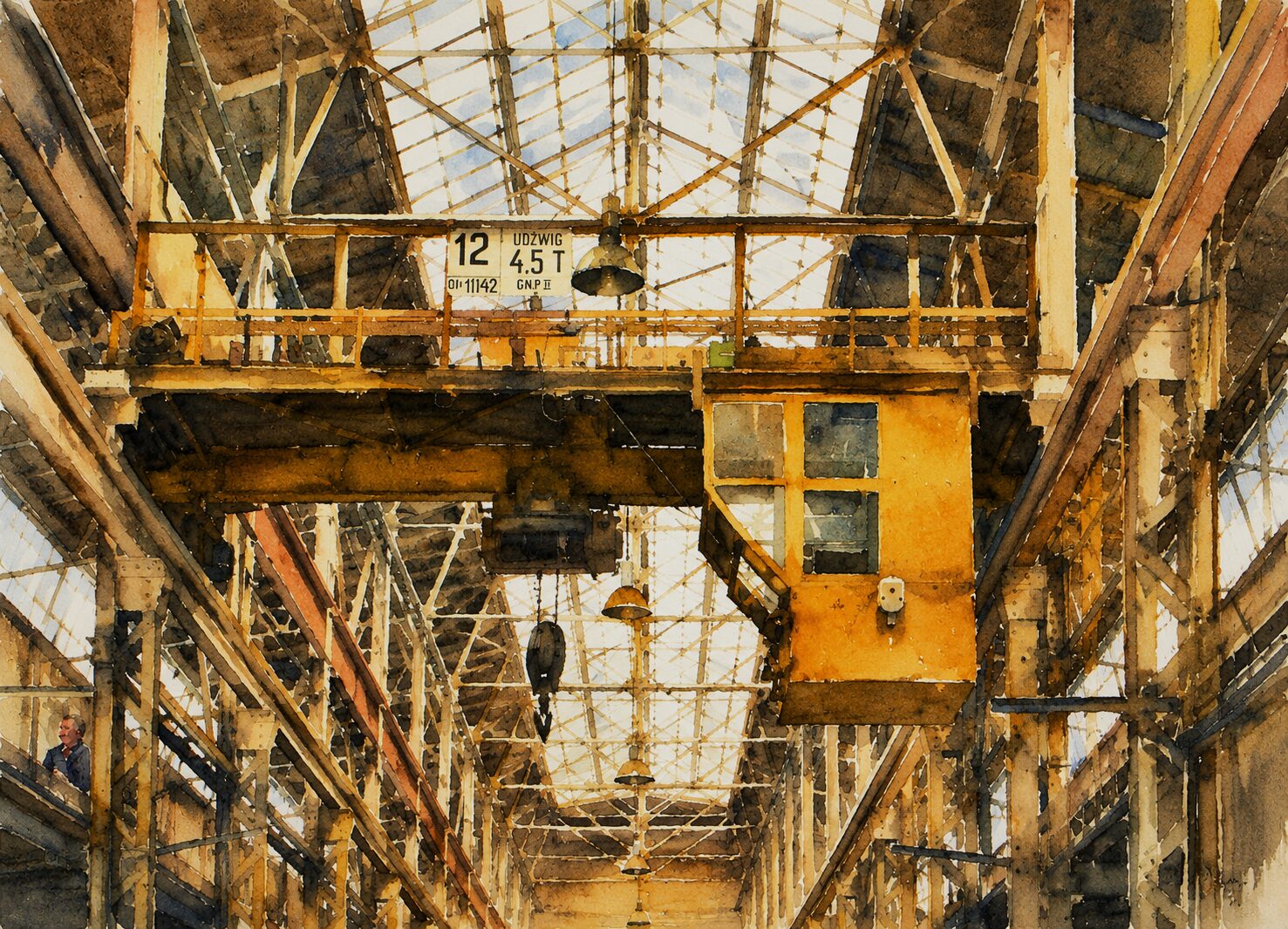
The new owner quickly launched a planning process to transform the former shipyard into a central business district. Local urban planners from the Gdansk University of Technology, commissioned to develop the new land-use plan, applied an old modernist approach adapted to the principles of a neoliberal, market-driven economy. Former shipyard workers and local residents were not involved in defining the site’s heritage values. The new local planning law was adopted in 2004 without prior public debate. It enabled large-scale development by dividing the historic shipyard site, comprising dozens of small blocks structured around a dense, authentic network of internal routes, into only 11 major investment zones. The law was also highly permissive toward private developers, as it failed to define key parameters such as maximum building density and height, allowing development to be guided primarily by commercial interests.
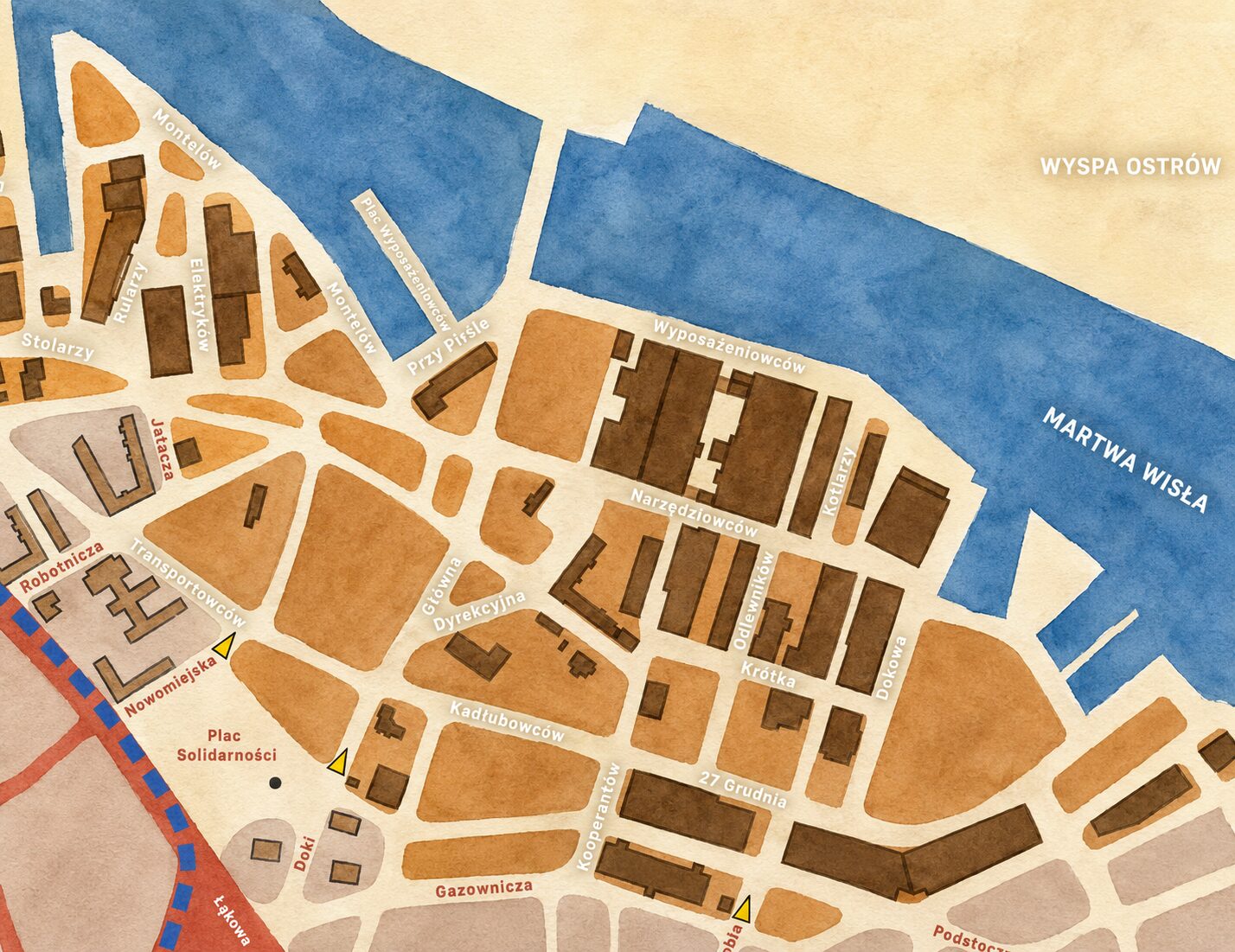
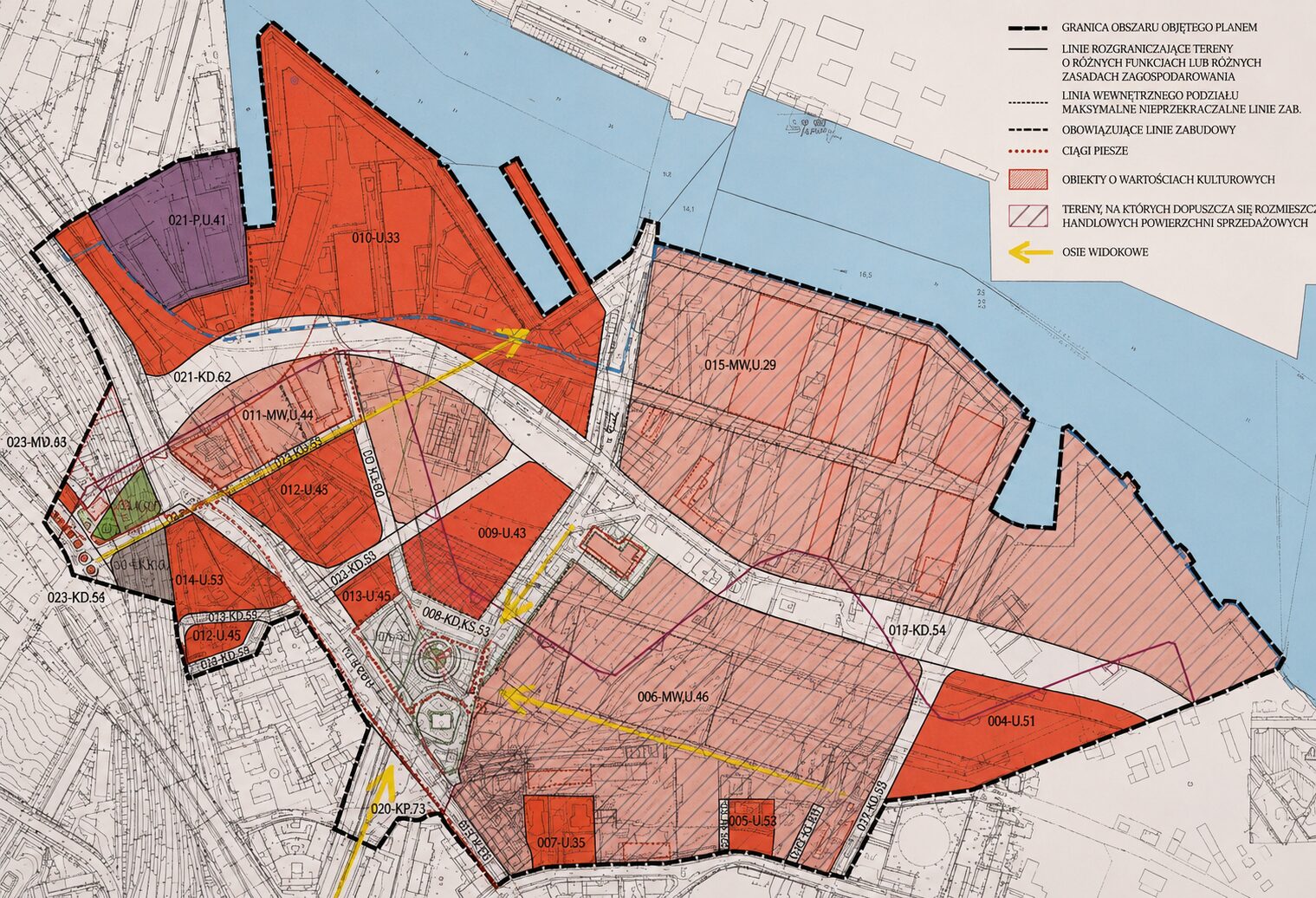
The grid of the original shipyard streets and the division of the area in the new plan (2004).
To accommodate large-scale investments, the local development plan provided only limited protection for the shipyard’s historic fabric. Apart from two sites entered into the National Register of Historic Monuments in 1999, no existing buildings were strictly safeguarded. Even areas of exceptional historical significance remained vulnerable. The square where the strike began in August 1980 and the unique 19th-century fan-shaped slipways were both designated for intensive redevelopment. The new owner and city authorities named the future district “Young City” after the name of the urban settlement established by the Teutonic Order in 1380.
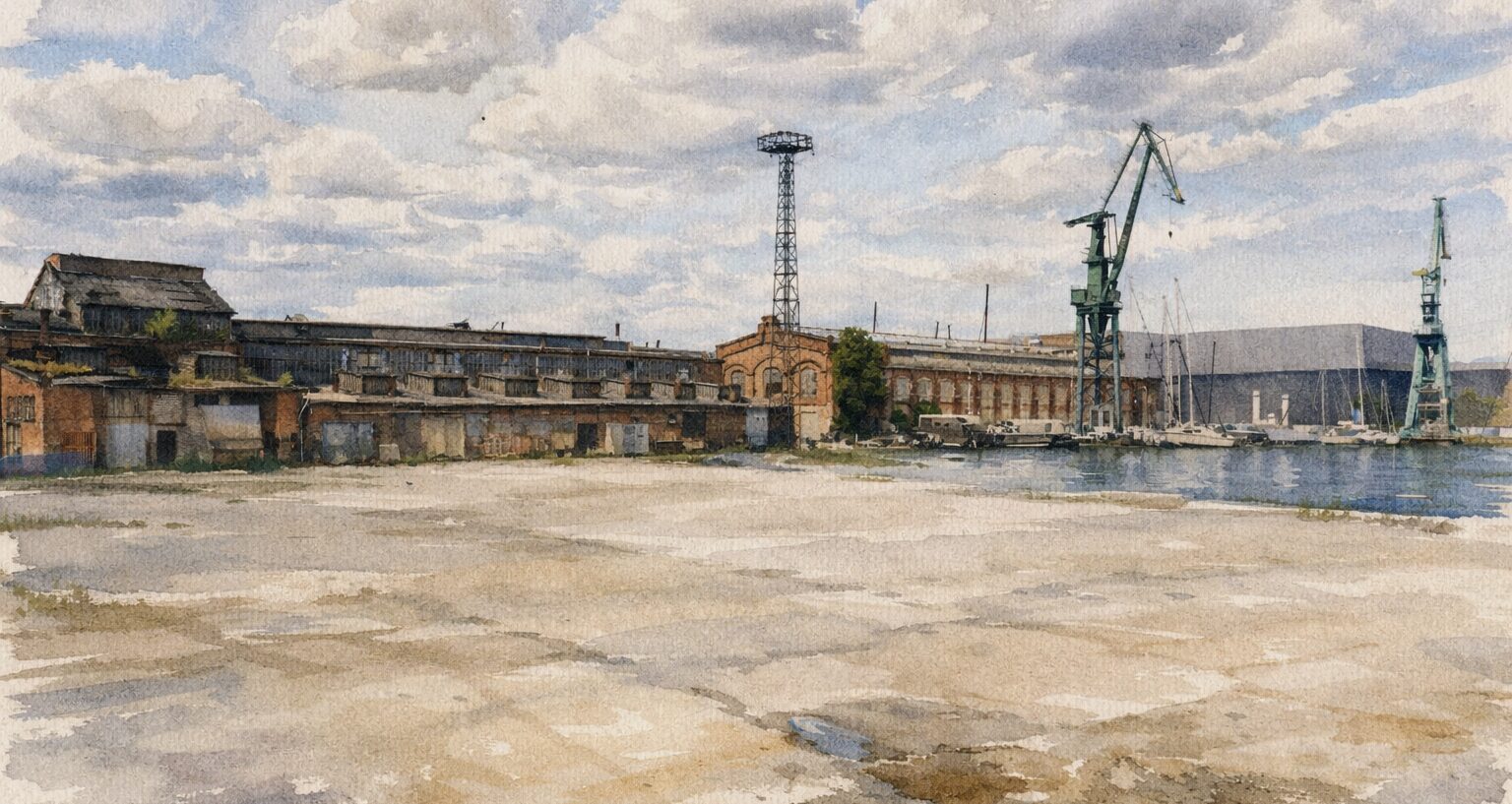
The place where the famous strike began and the cleared area of the fan-shaped slipways
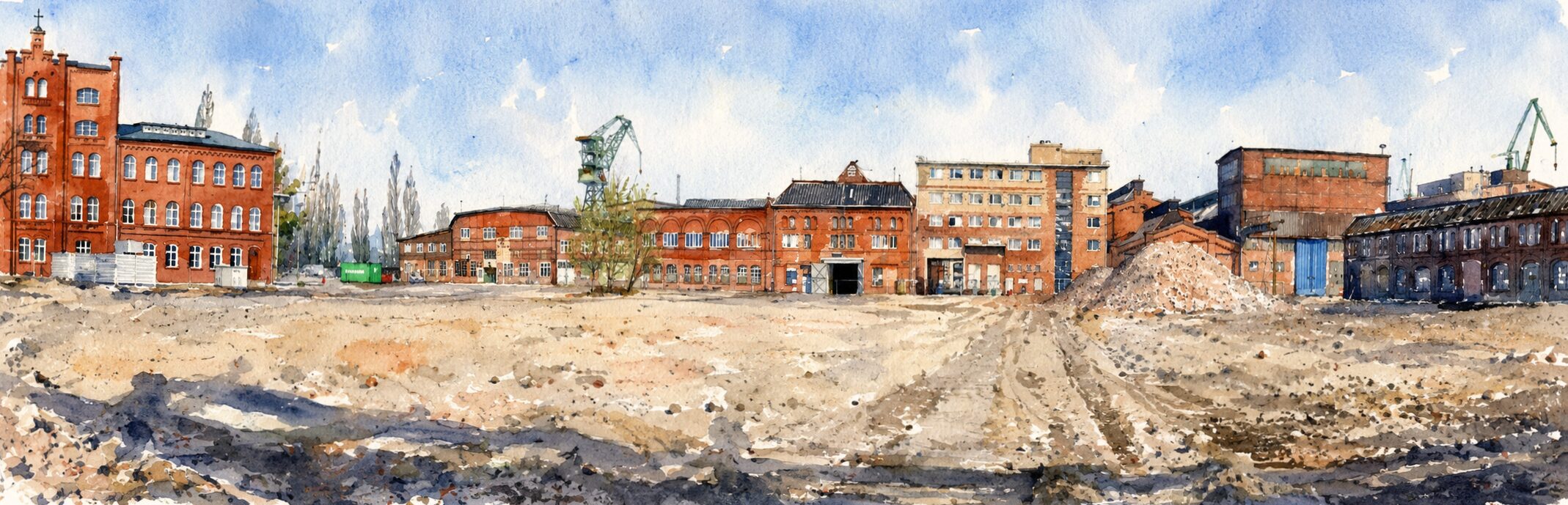
The implementation began with the fully legal process of destroying the shipyard and Solidarity cultural heritage. More than half of the material structures (buildings, machinery, and technical infrastructure) disappeared from the industrial landscape, as did trees and other forms of greenery. The first losses were all buildings standing in the way of the planned “New Wallstreet.” Among them was the 19th-century director’s villa, with its garden and gardener’s cottage. This sparked a strong wave of public outrage and open, public protests.
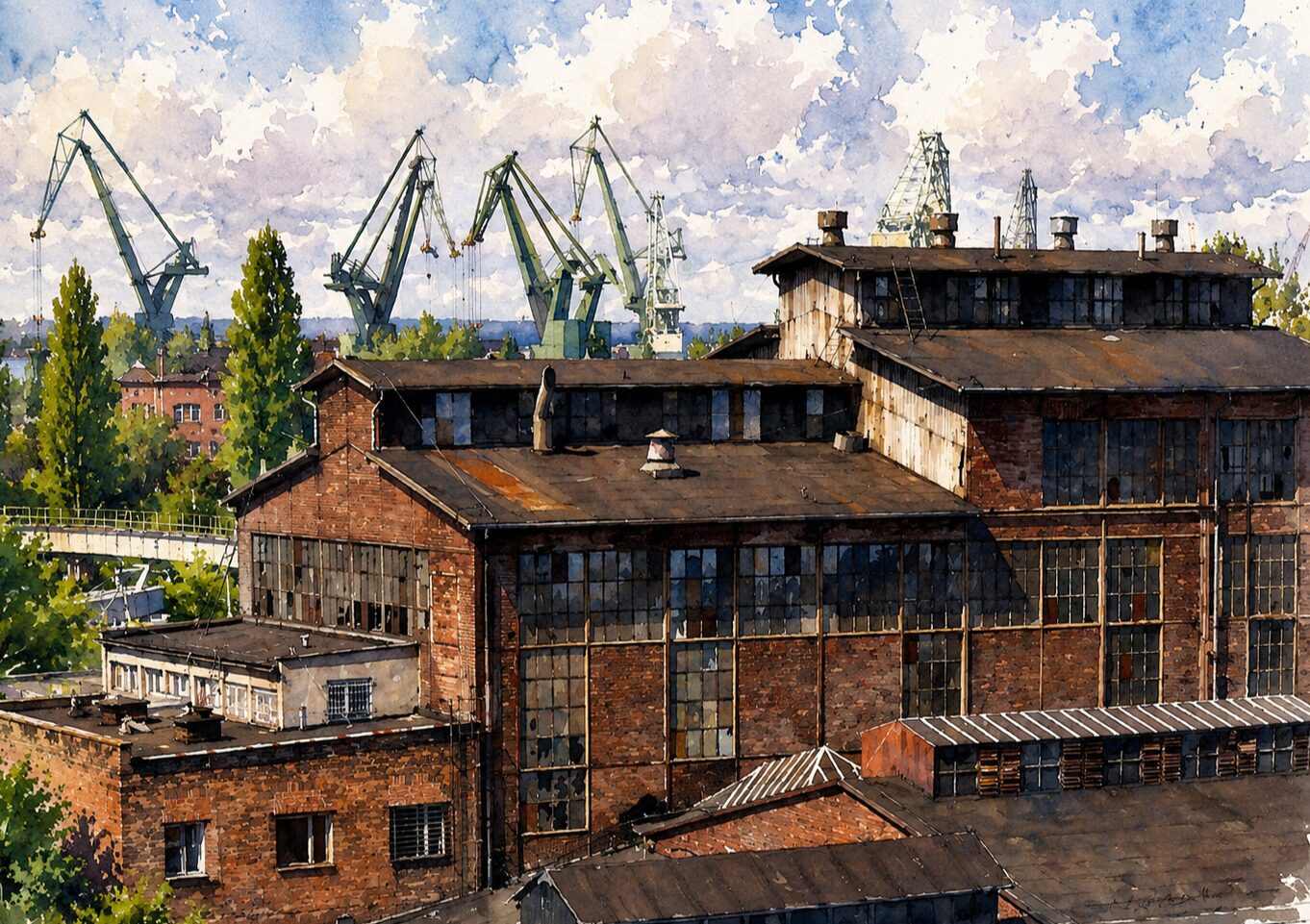
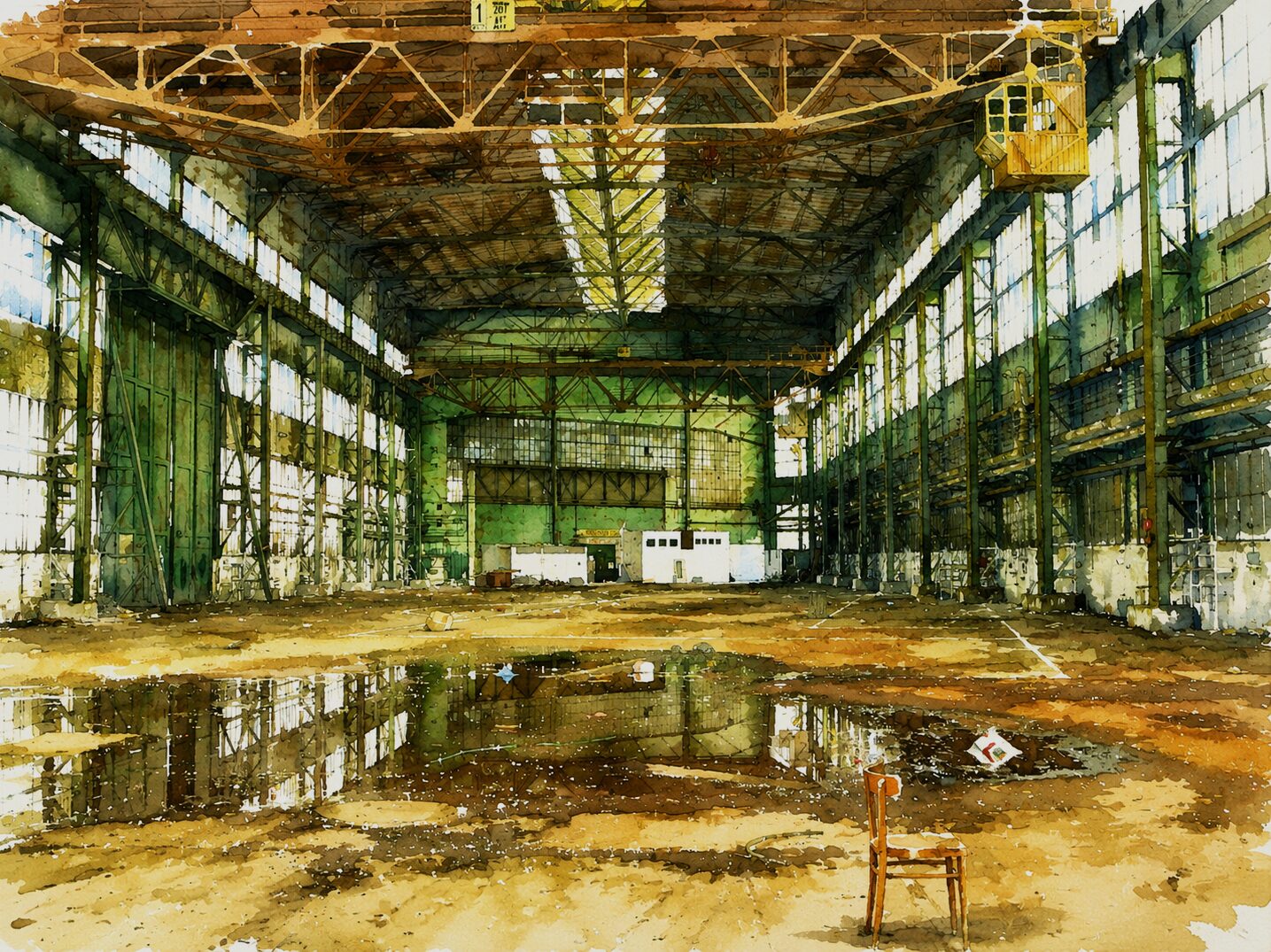
Shipyard facilities on the New WallStreet route (before demolition)
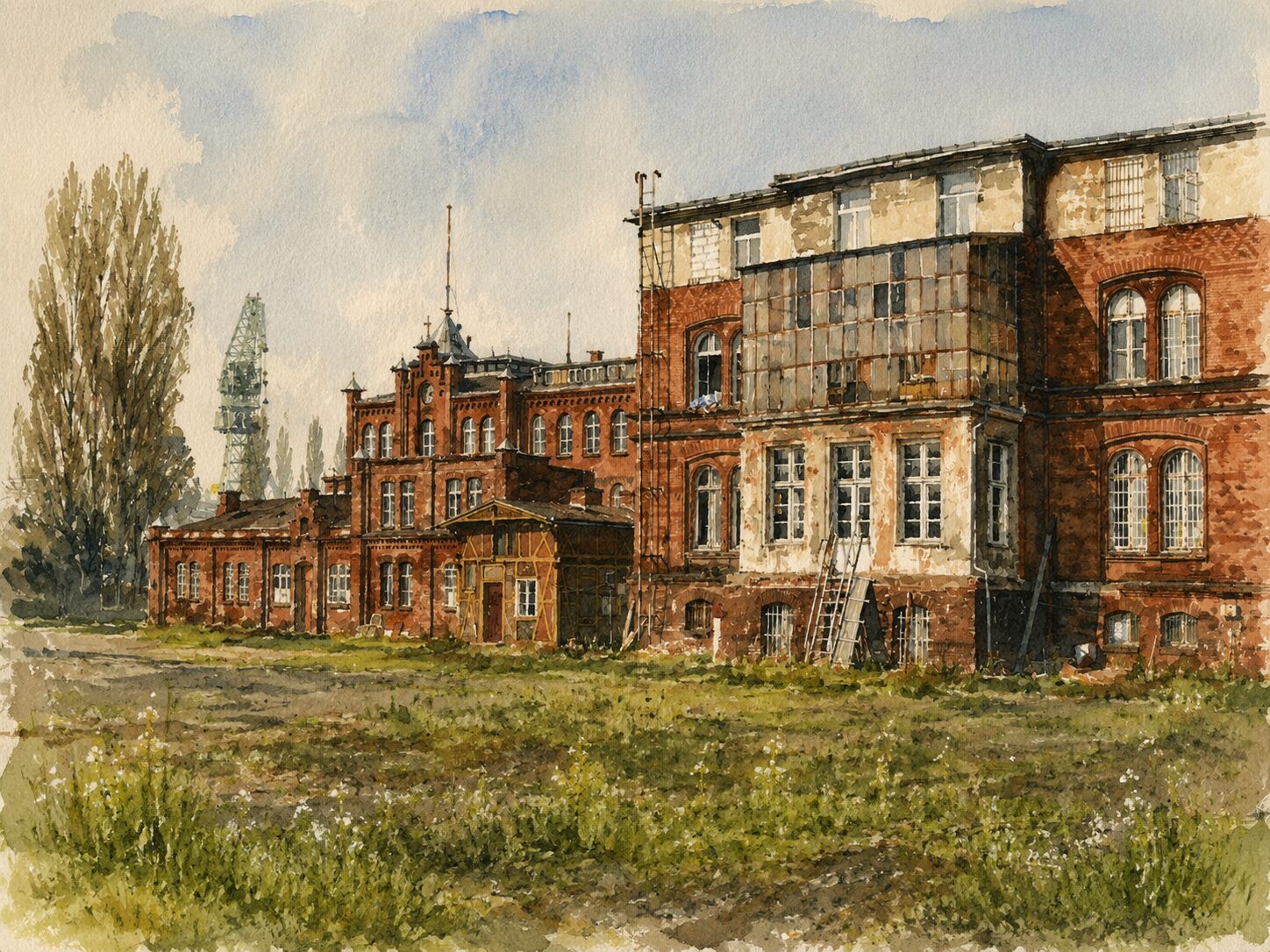
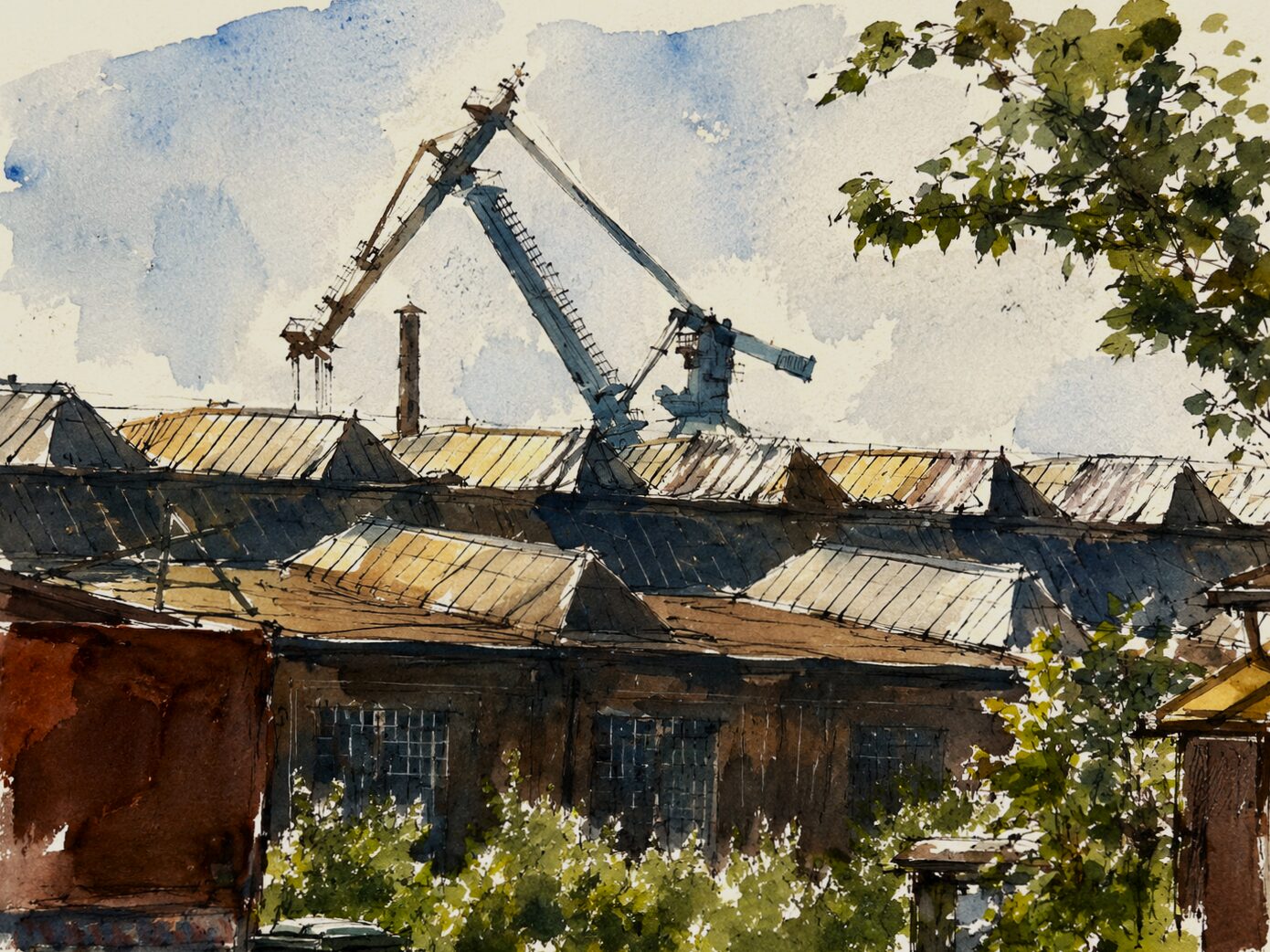
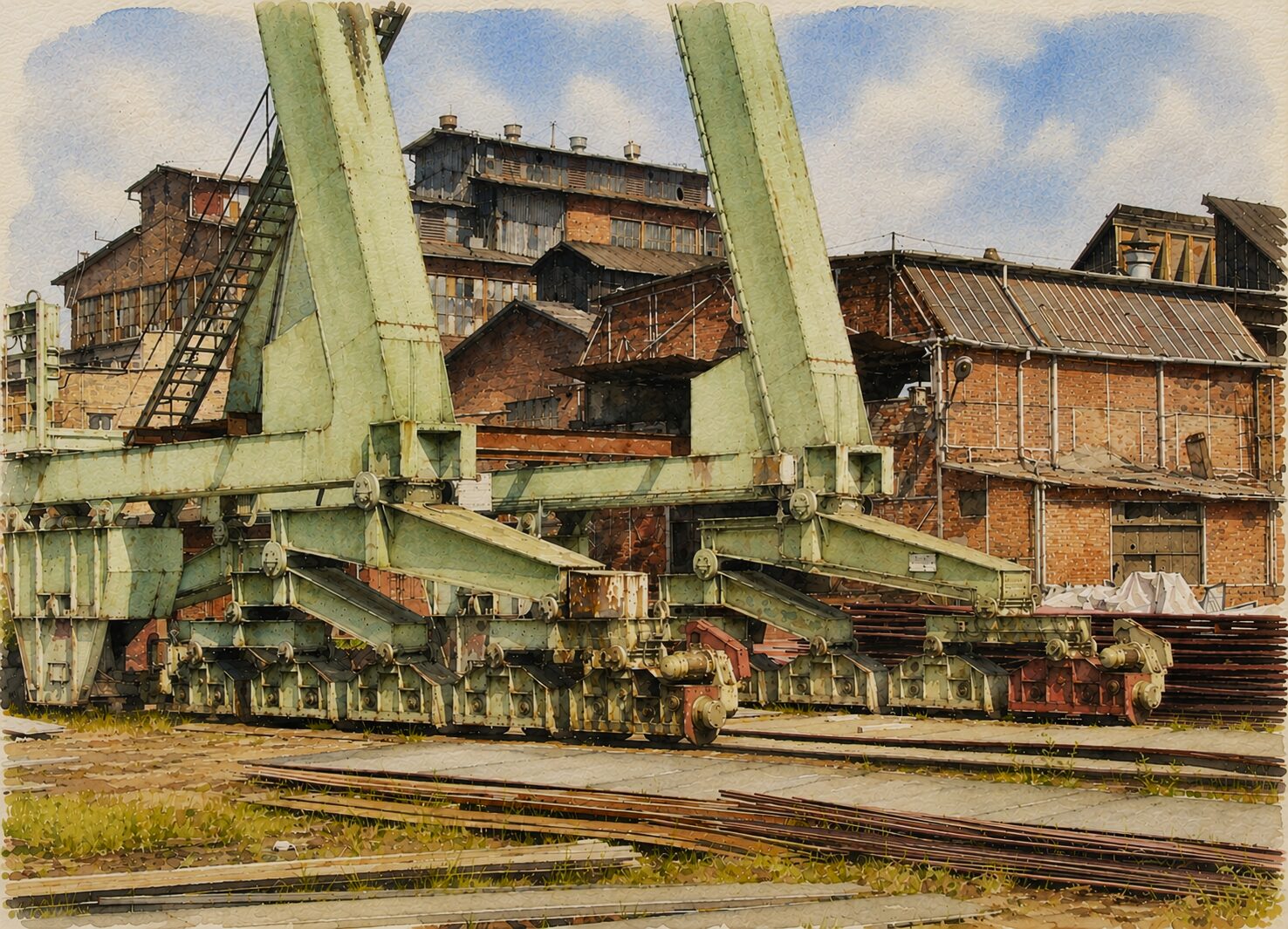
By 2016, the first developments had been completed on the land thus “liberated.” Public investments included the initial phase of “New Wallstreet” and the European Solidarity Centre.
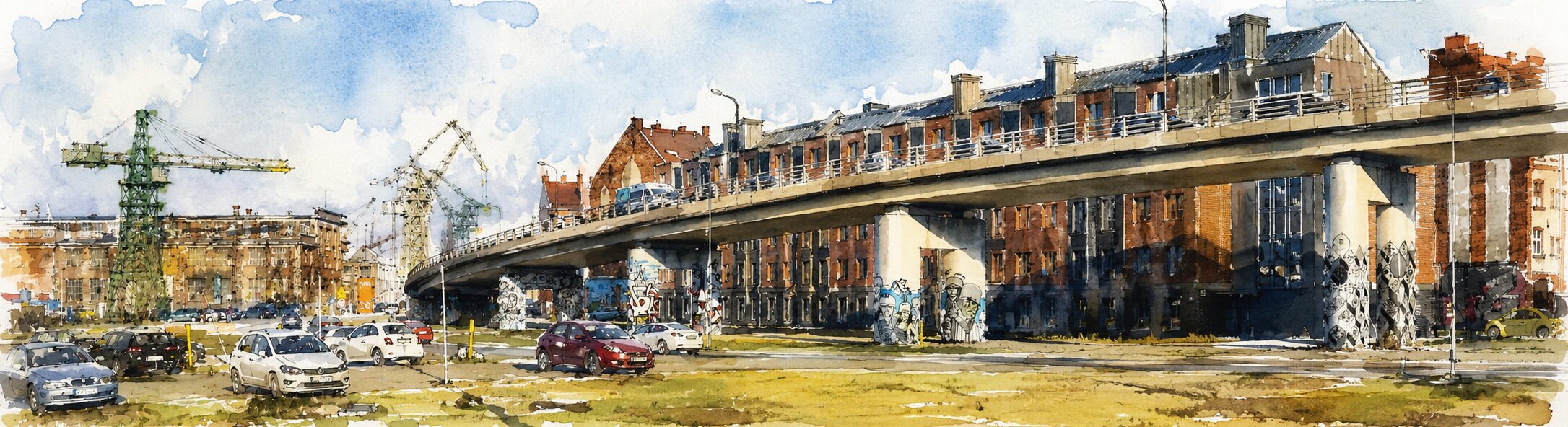
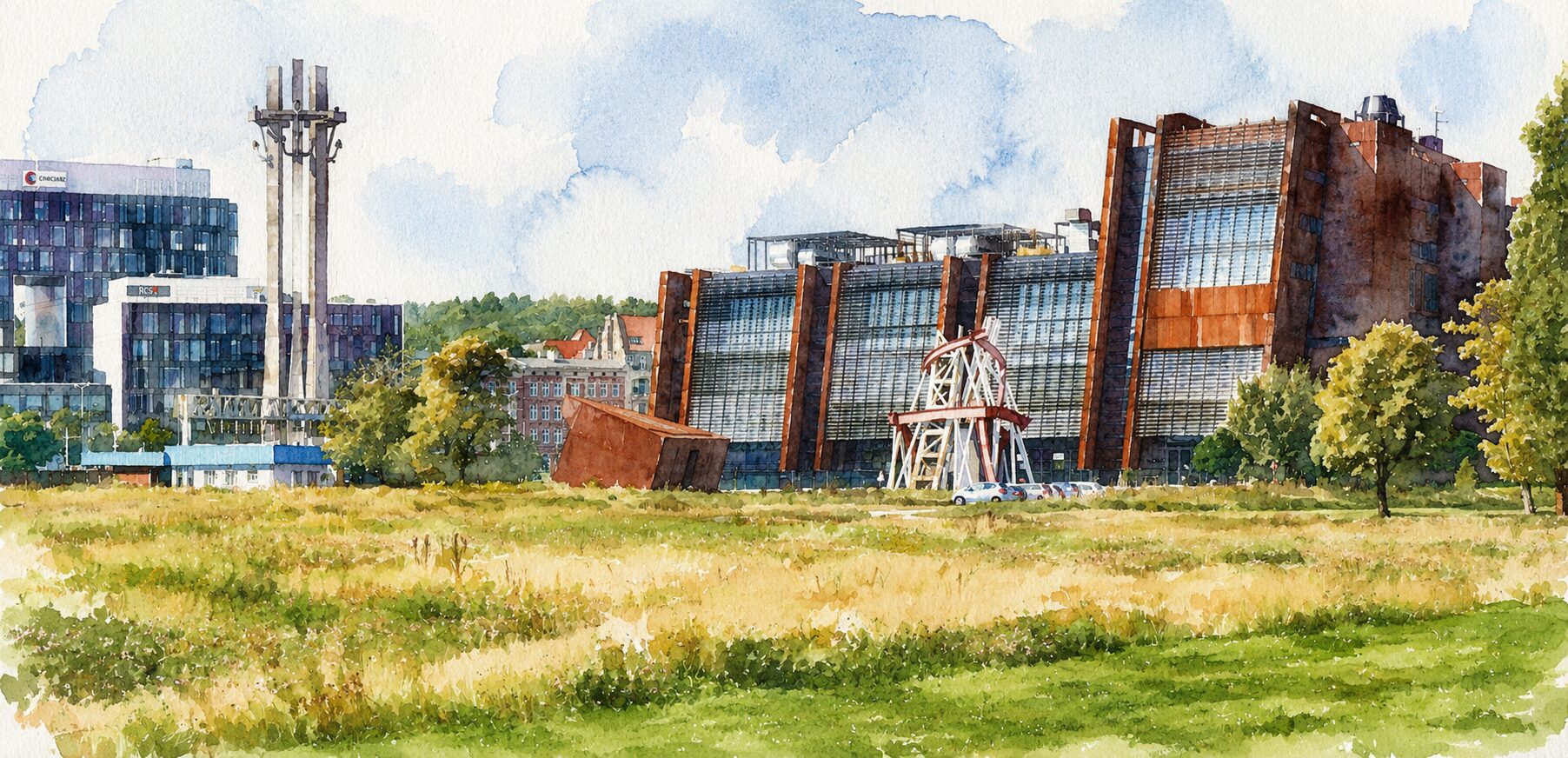
The first one line of the “New Wallstreet” and the European Solidarity Centre (2015)
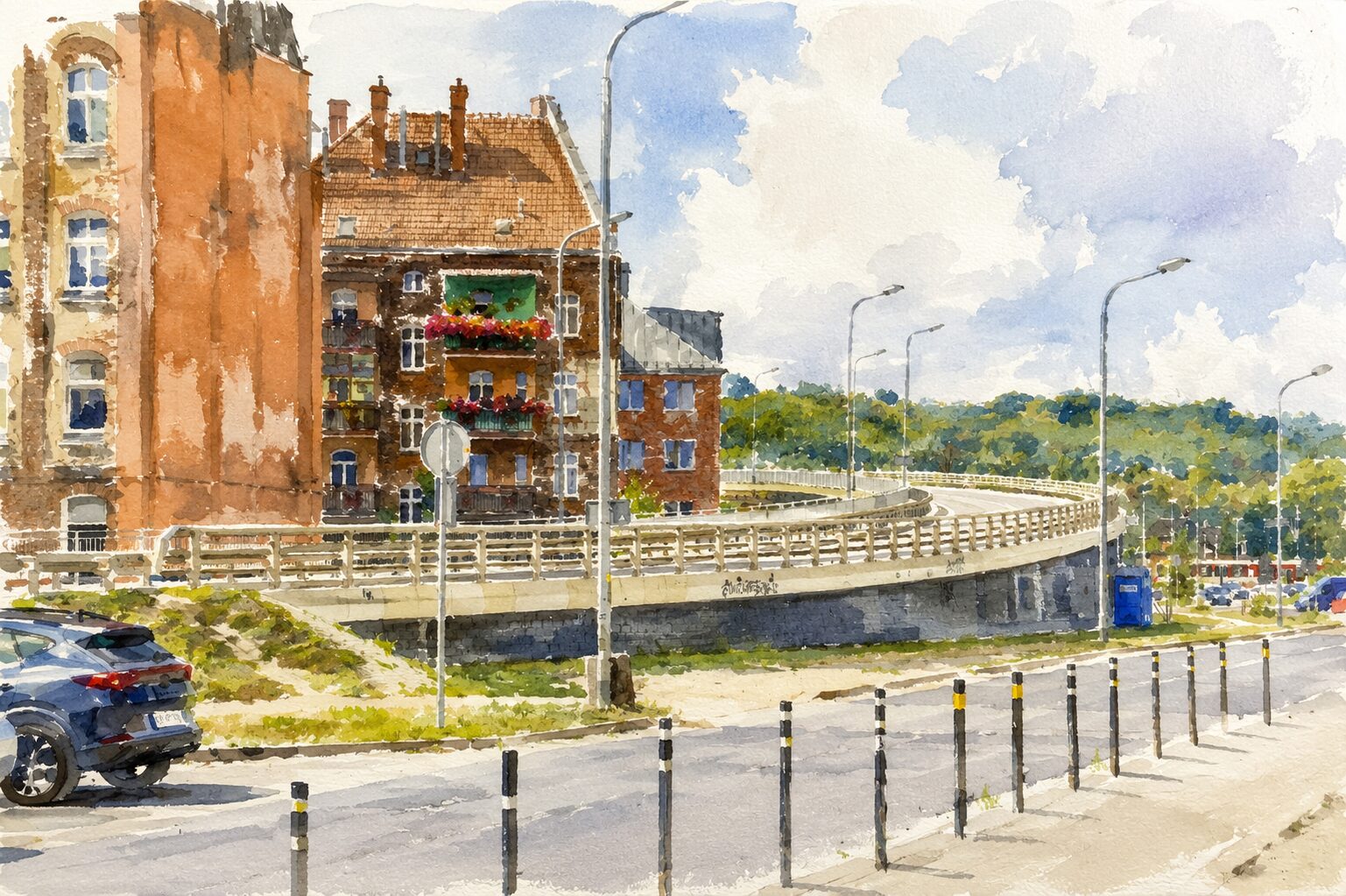
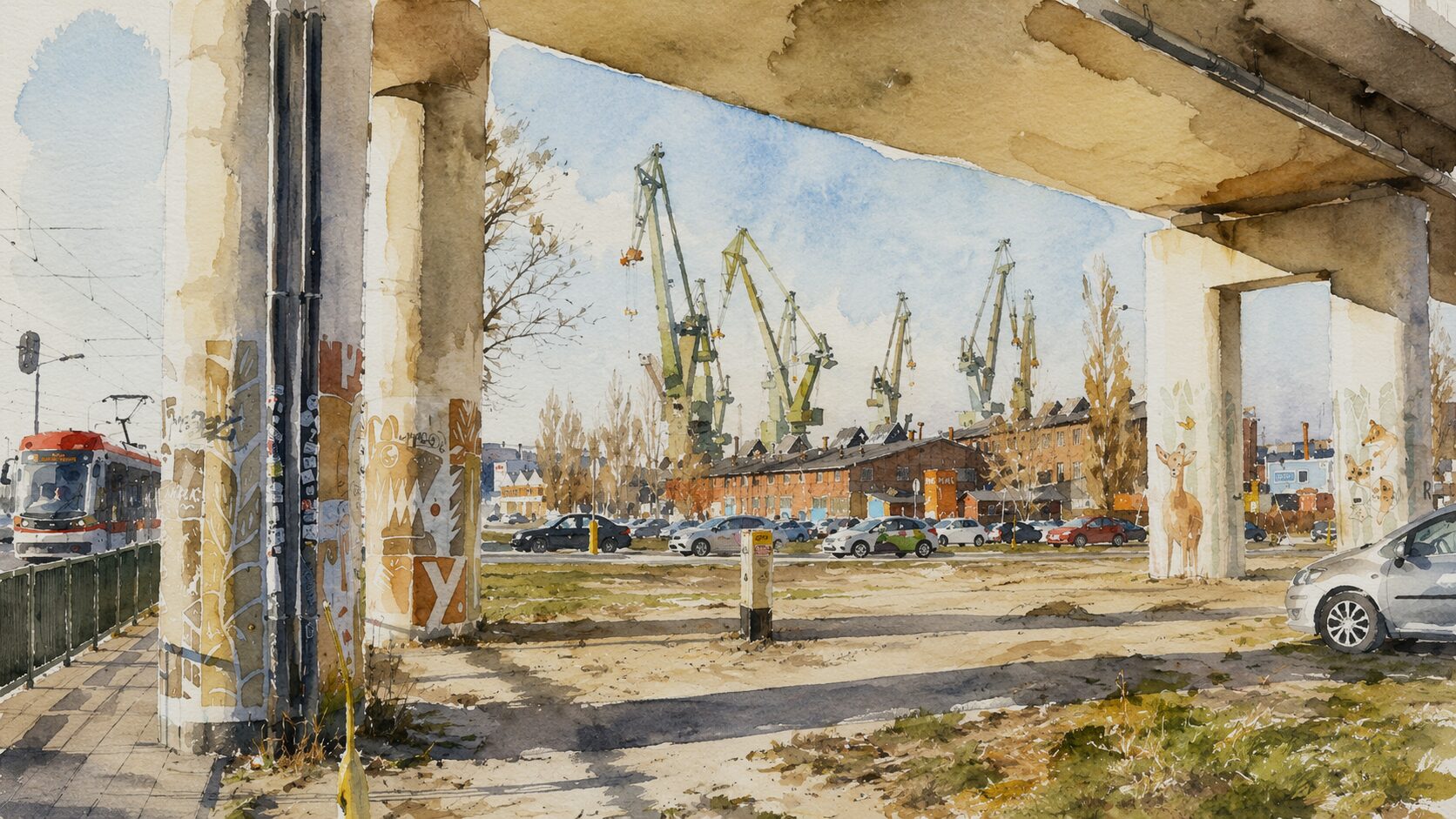
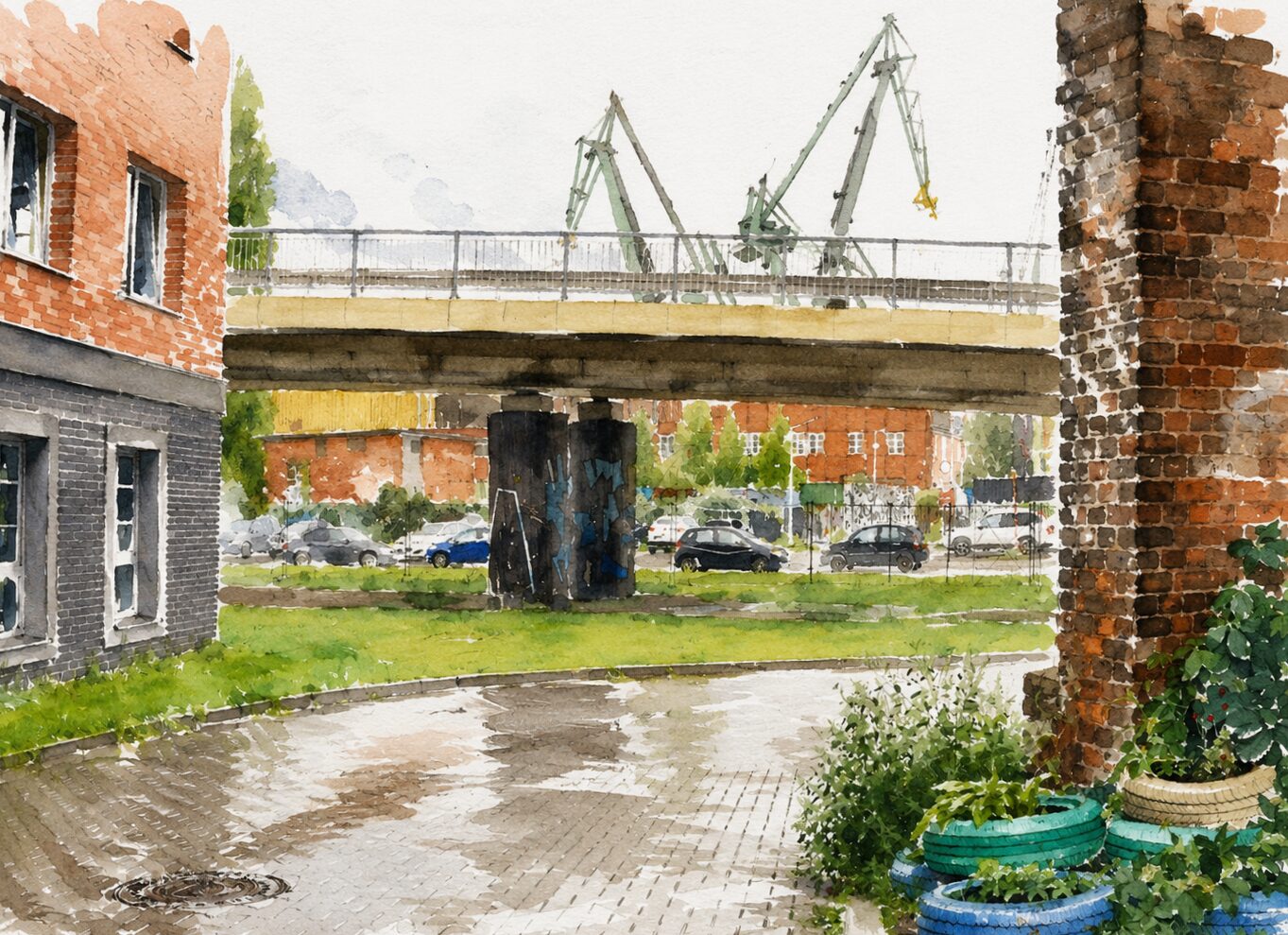
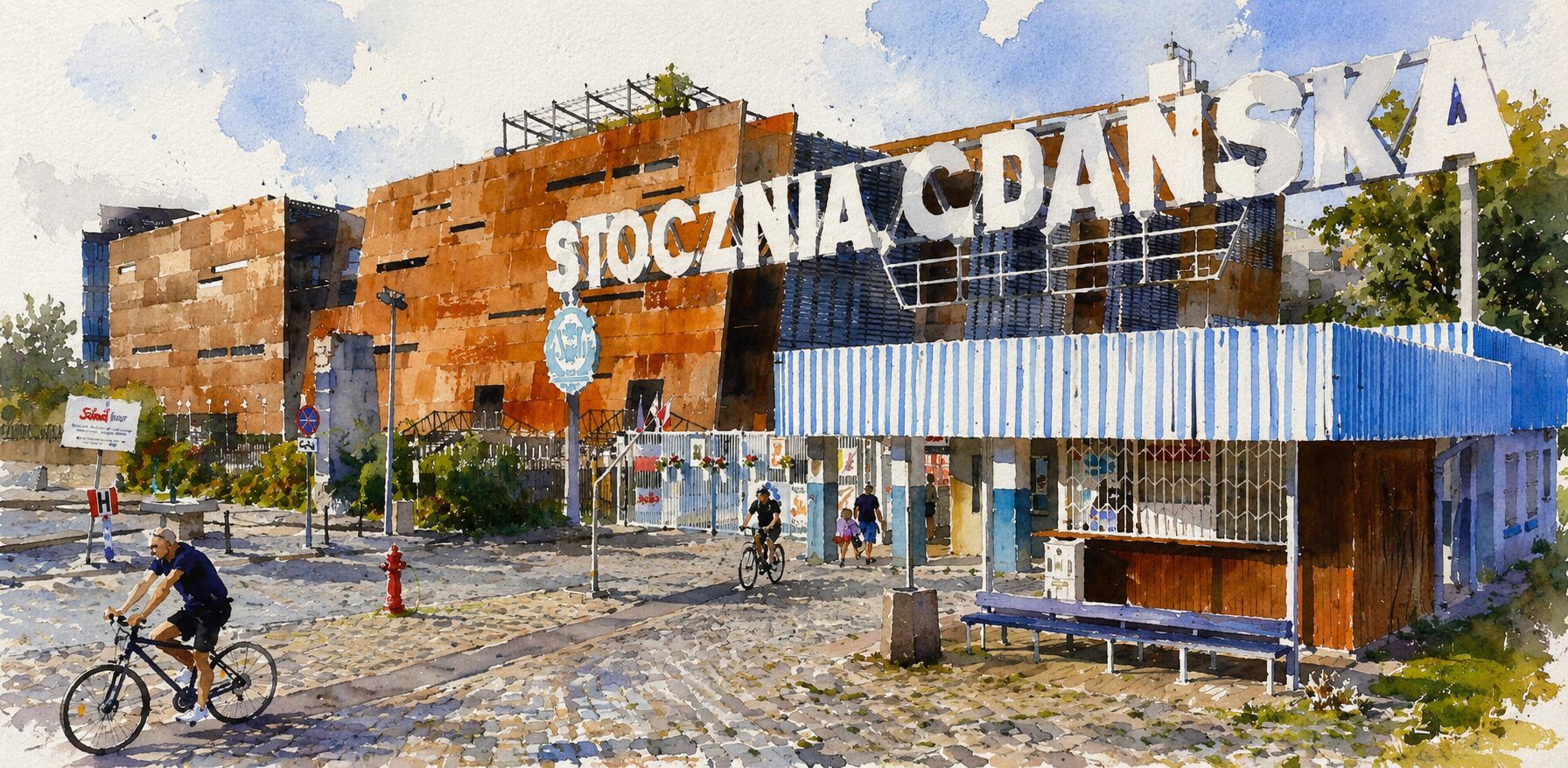
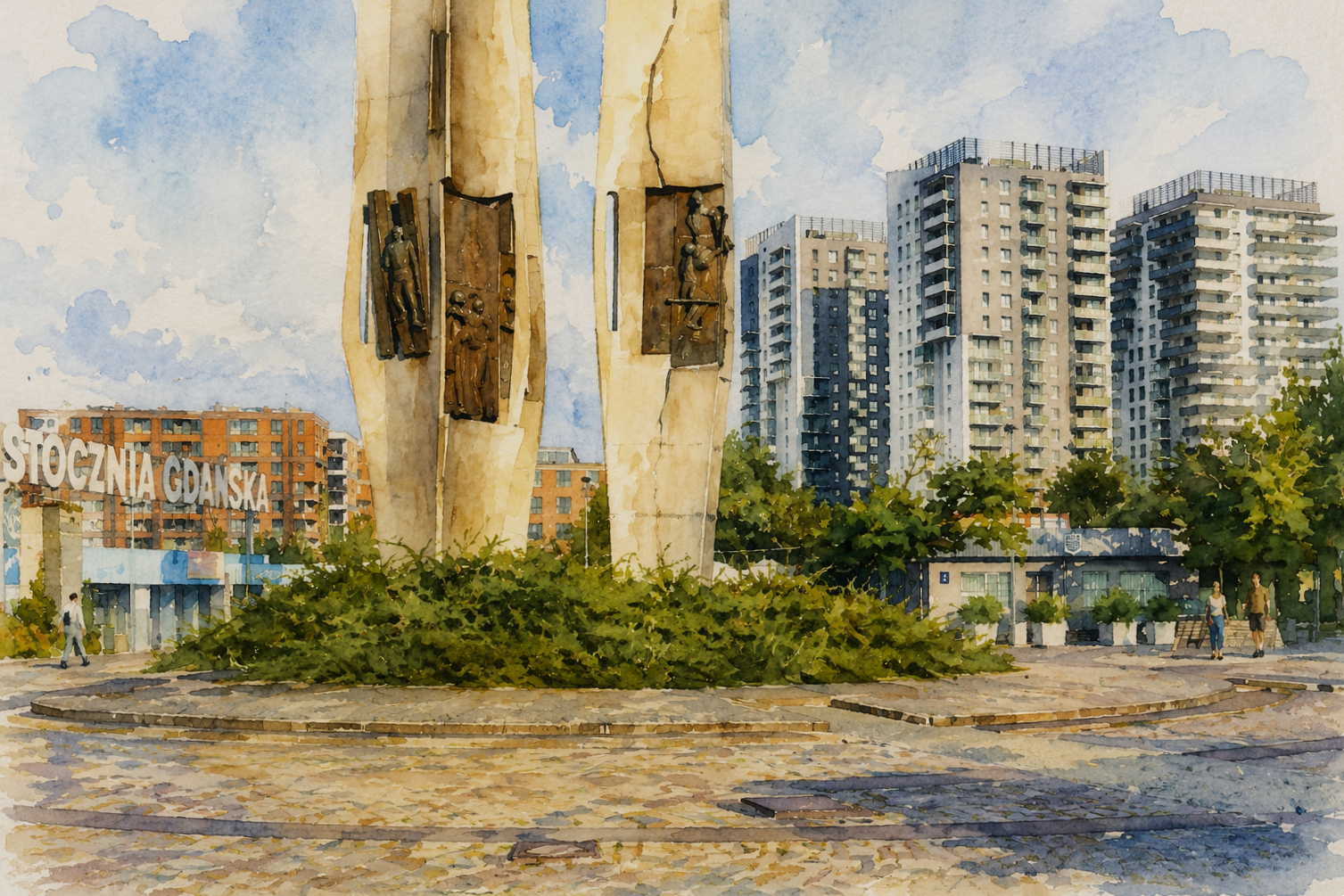
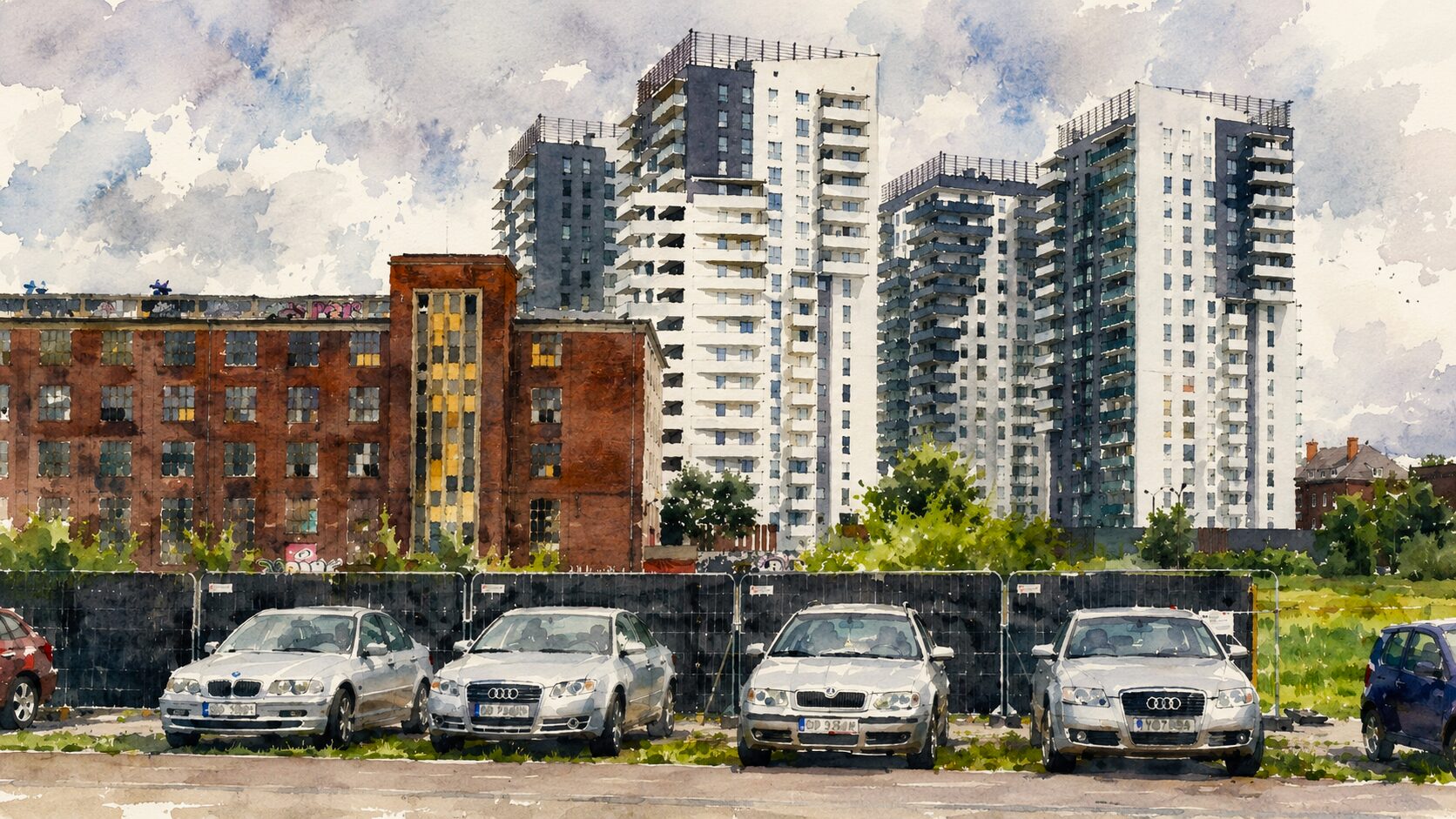
The first private investment realised on the post-shipyard land was the residential complex, consisting of four high-rise buildings, called “Wallstreet Bastion.” It was met with a wave of public protests, even during the design phase. Among the main reasons for public outrage were the banal architecture, which failed to consider the historical context of this important site, and the dead spaces on the ground floors, which were primarily intended for parking garages. Currently, a large portion of these new apartments are used for short-term rentals, preventing the development of a sustainable, local community in the area.
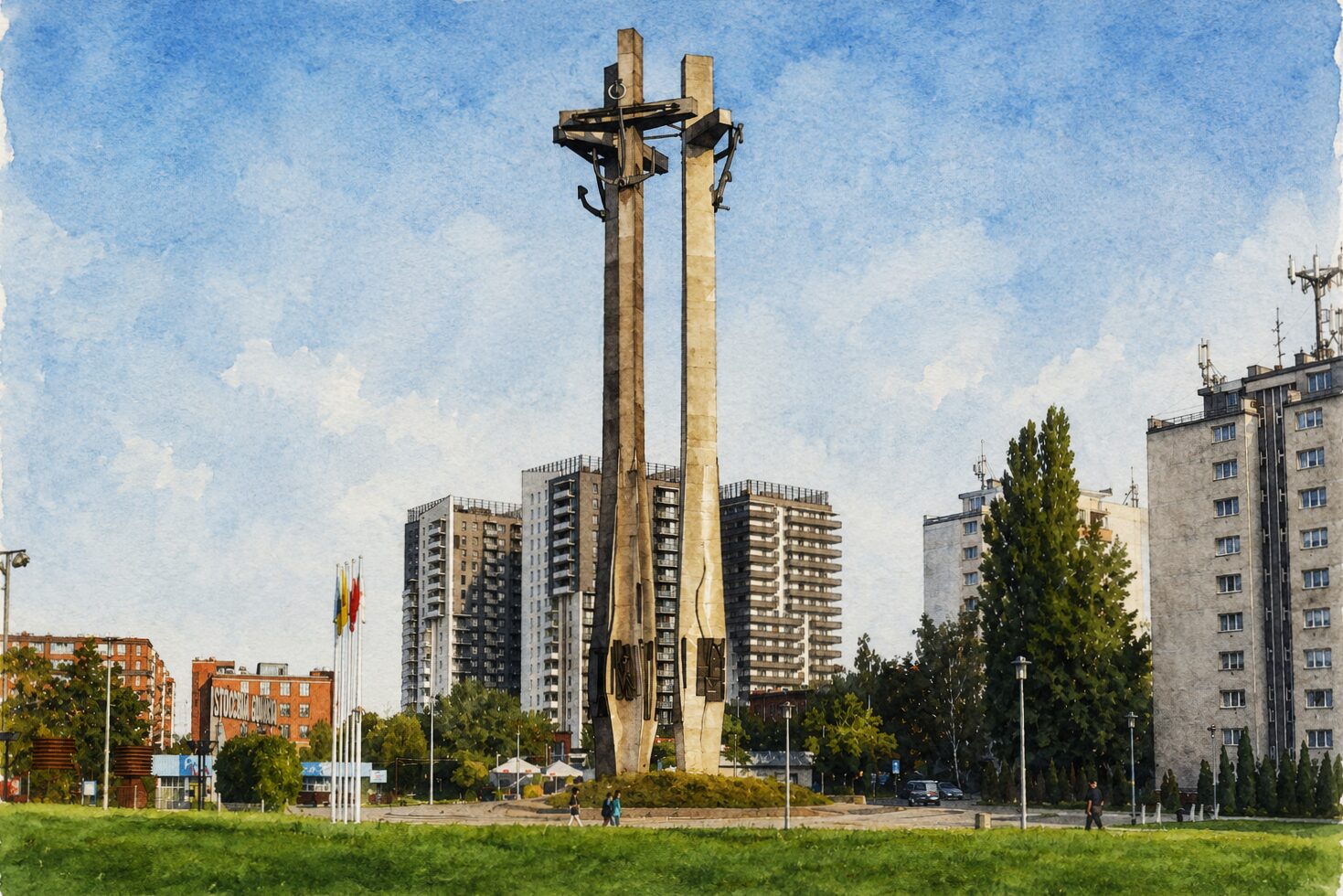
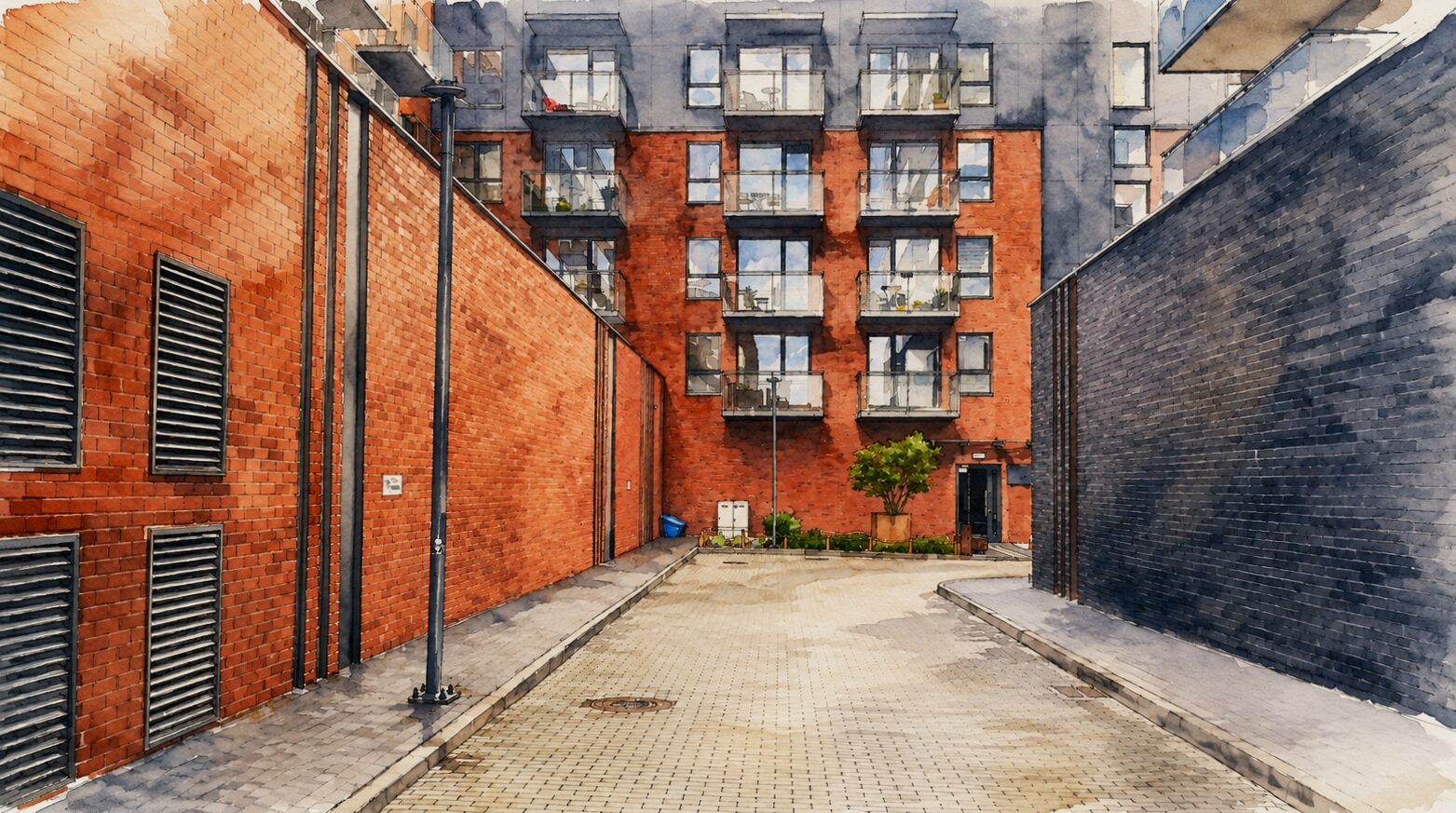
“Wallstreet Bastion” against the background of Solidarity Square and its lifeless ground floors (2020)
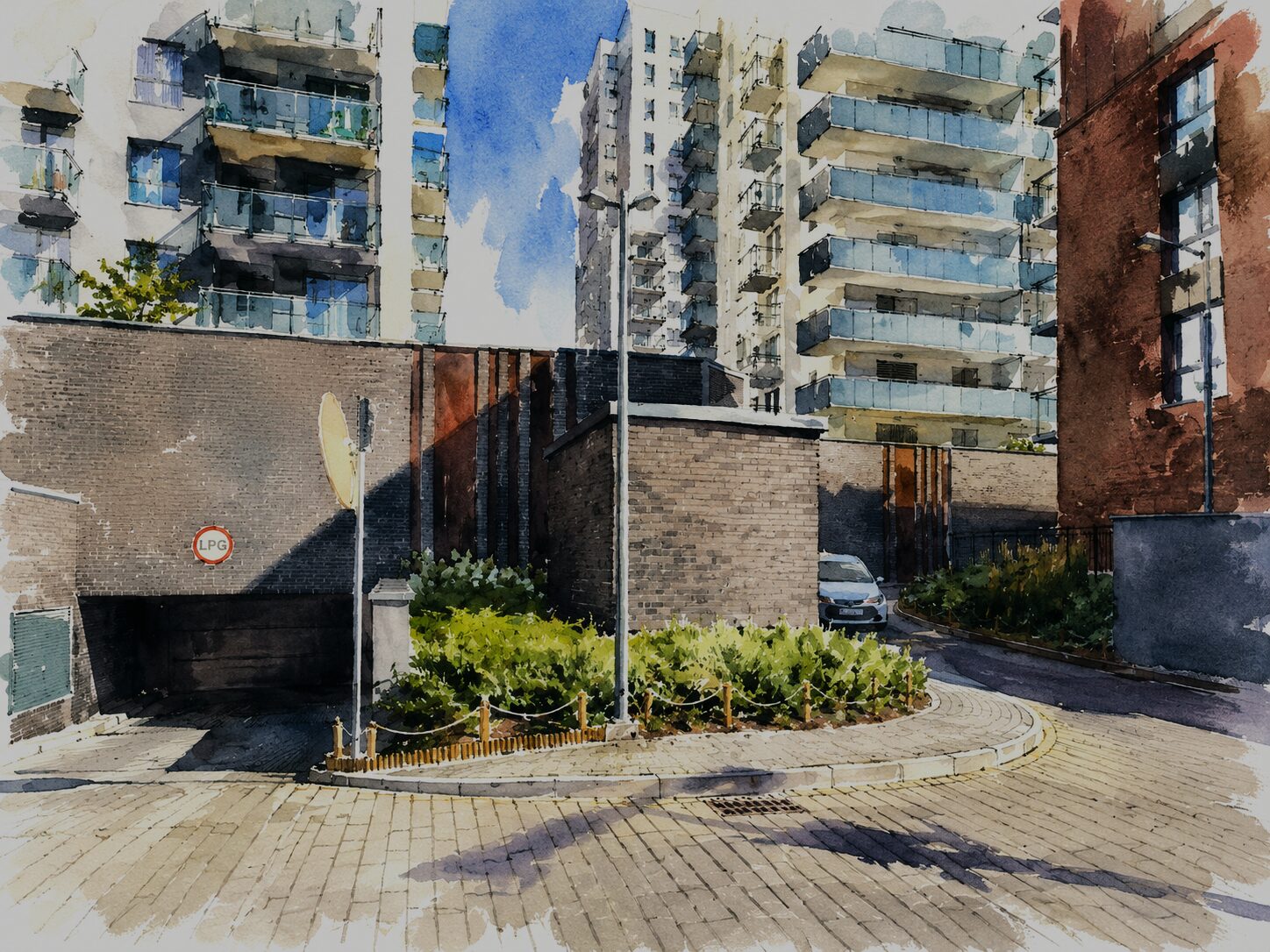
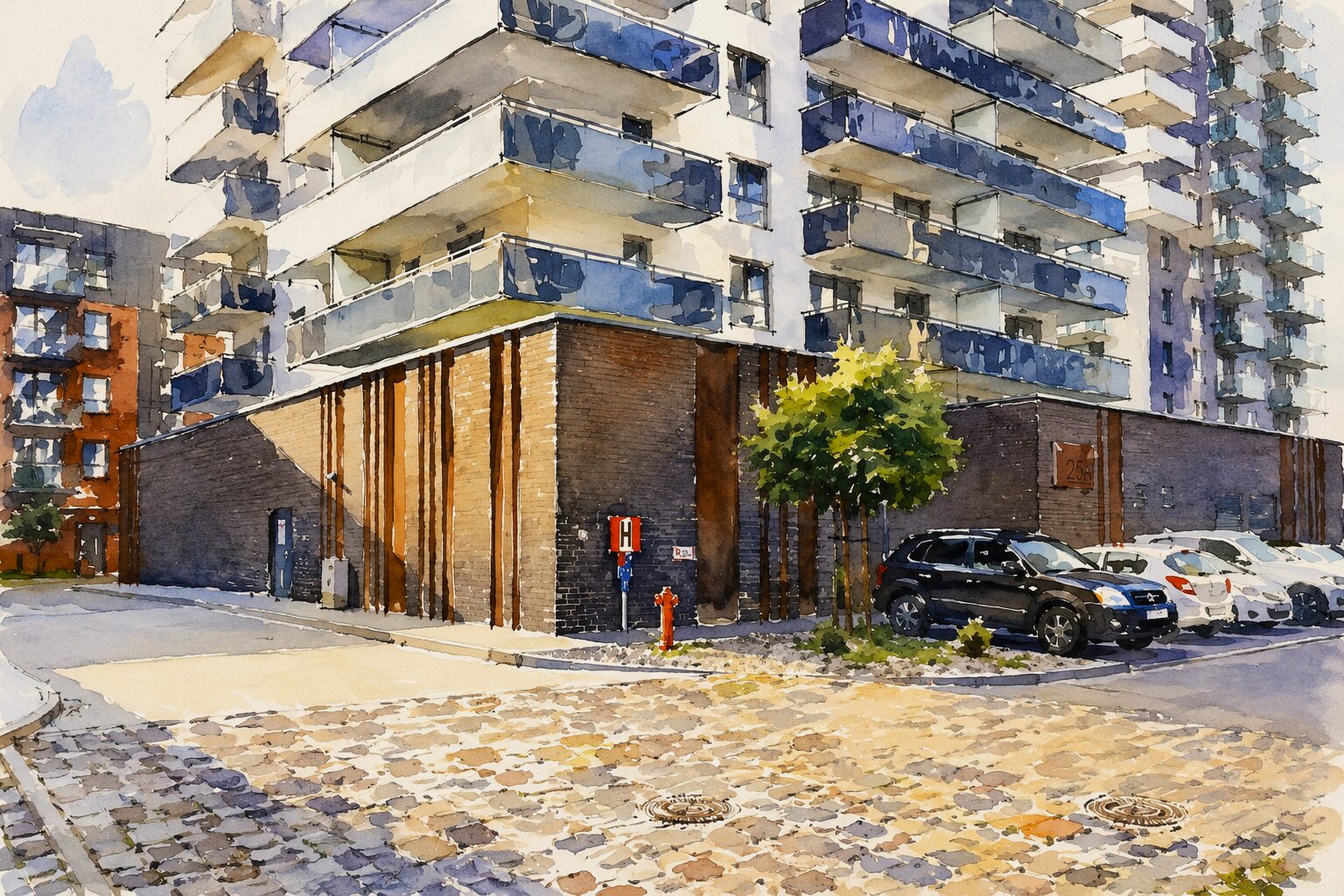
From the beginning of the formal transformation process, local activists and artists from the Gdansk Shipyard Artists’ Colony challenged what they saw as an outdated, market-driven vision for the former shipyard. They argued that it would produce oversized, monotonous spaces lacking identity and urban life. Instead, they advocated for a human-scaled district that would be open, vibrant, environmentally friendly, and rooted in the site’s unique history. A key part of their effort was raising public awareness of the cultural value of the former shipyard and its importance for the future of the area. Between 2002 and 2018, the Artists’ Colony , supported by local activists and residents, organized numerous projects, exhibitions, and public debates that combined research, education, and civic engagement, helping to strengthen public participation in the site’s transformation.
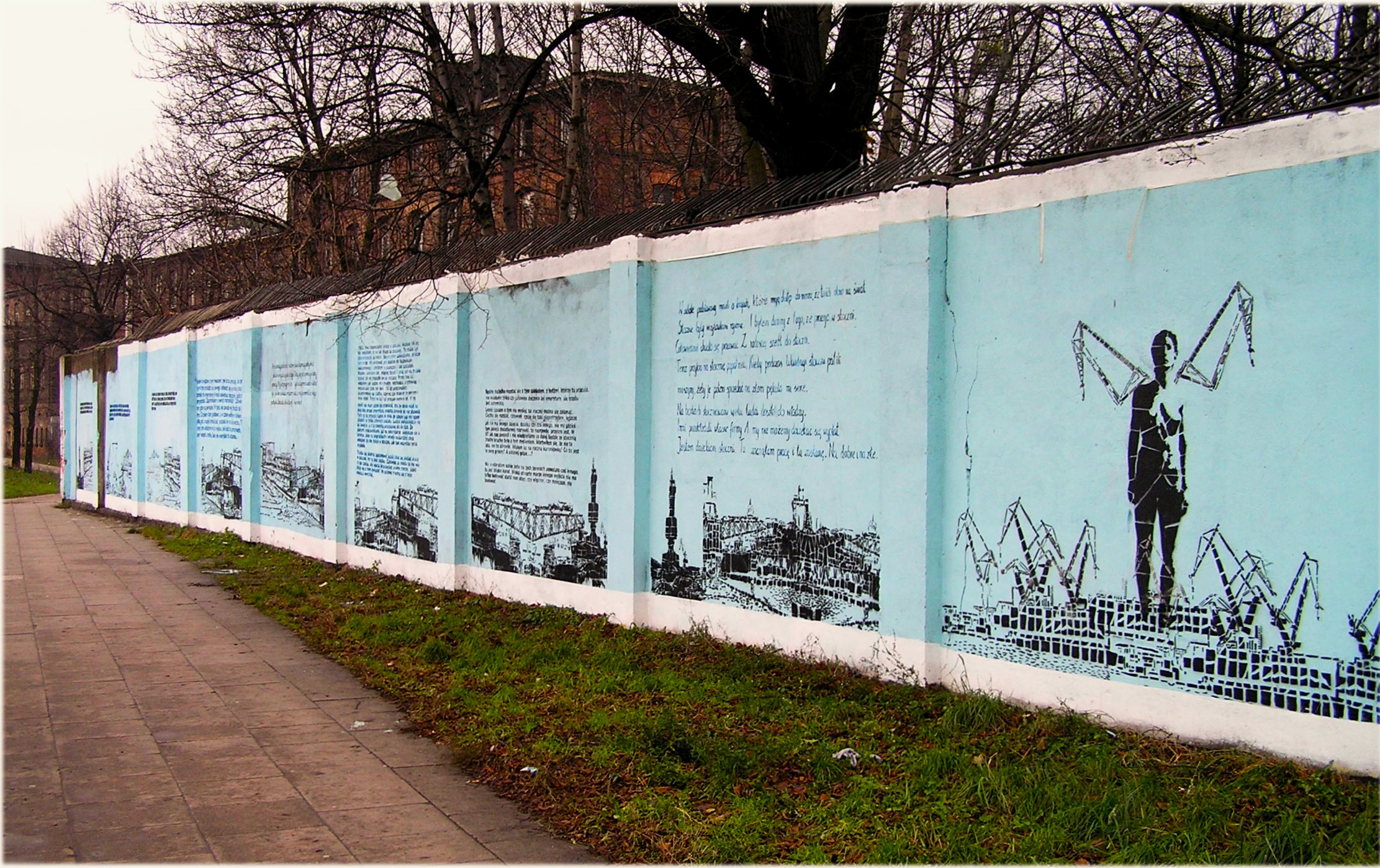
Iwona Zajac, mural Shipyard (2004) and its online publication – Shipyard on Air – after its demolition (2013)

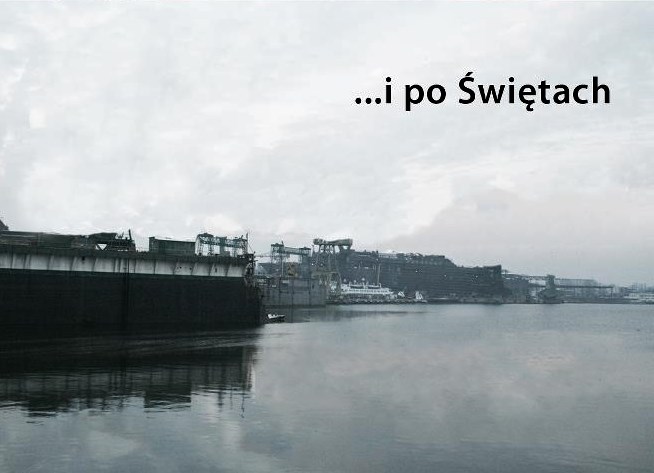
As a result of public dialogue, the heritage of the Gdansk Shipyard came to be defined by two closely linked values: solidarity and productive cooperation which shaped both the physical and symbolic character of the site. Widely shared through professional and social networks, this understanding helped build broad public support for preserving the shipyard’s traditions and making them a foundation for the district’s future development. Since 2014, these efforts have continued in cooperation with and under the patronage of INTBAU Poland. They were presented internationally in 2015 at the INTBAU Congress in London, held at the Royal Institute of British Architects.
The rise of public awareness played a key role in effective protection the Gdansk Shipyard’s cultural heritage. In 2016, the area and its remaining structures were added to the National Register of Monuments, and in 2018 the site was designated a Historic Monument by the President of Poland. These decisions opened the way for seeking UNESCO World Heritage status. Given that only two structures were legally protected at the beginning of this process, while many others were being demolished, this outcome represents a major achievement of local public, led by artists and activists.
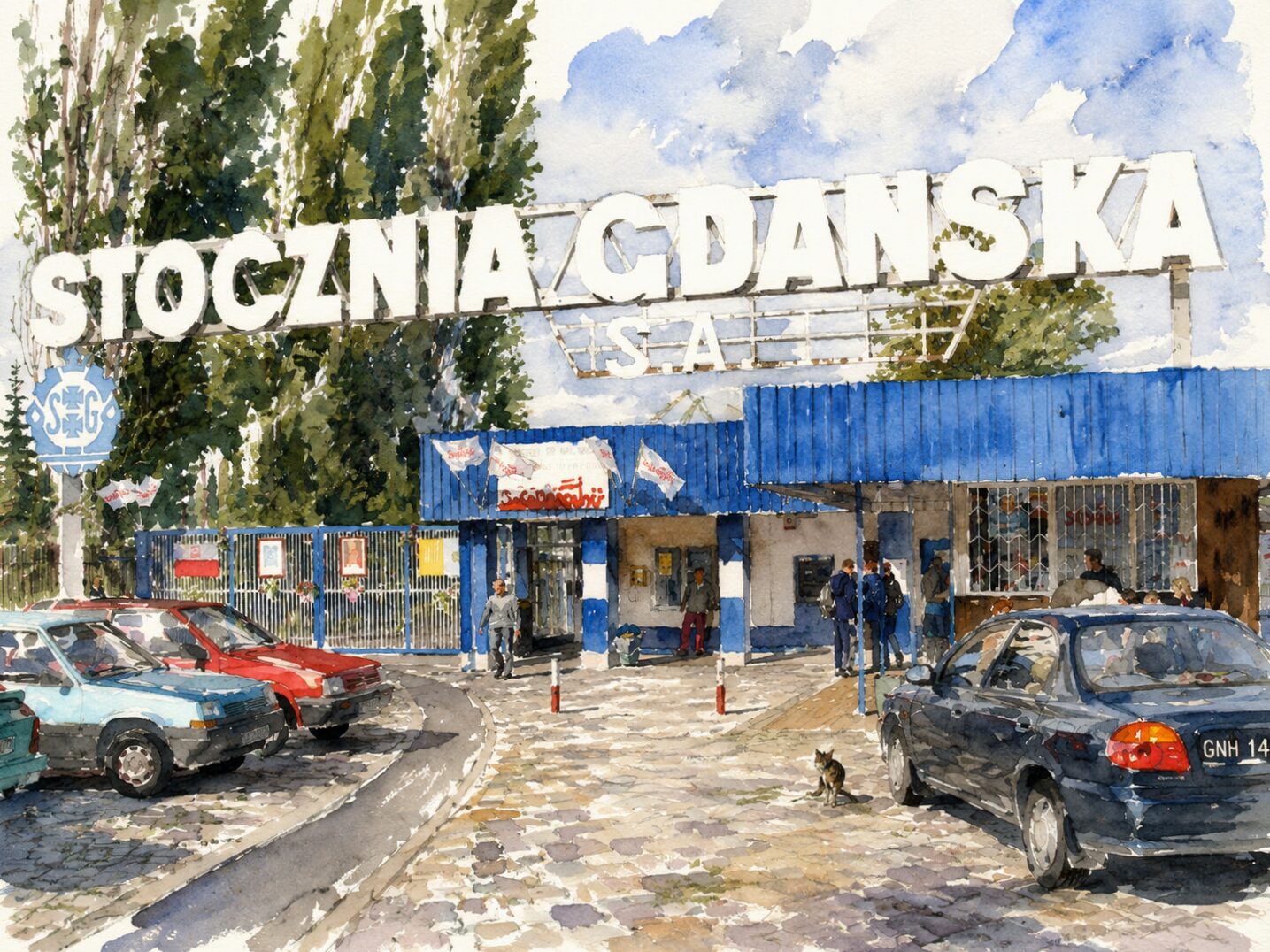
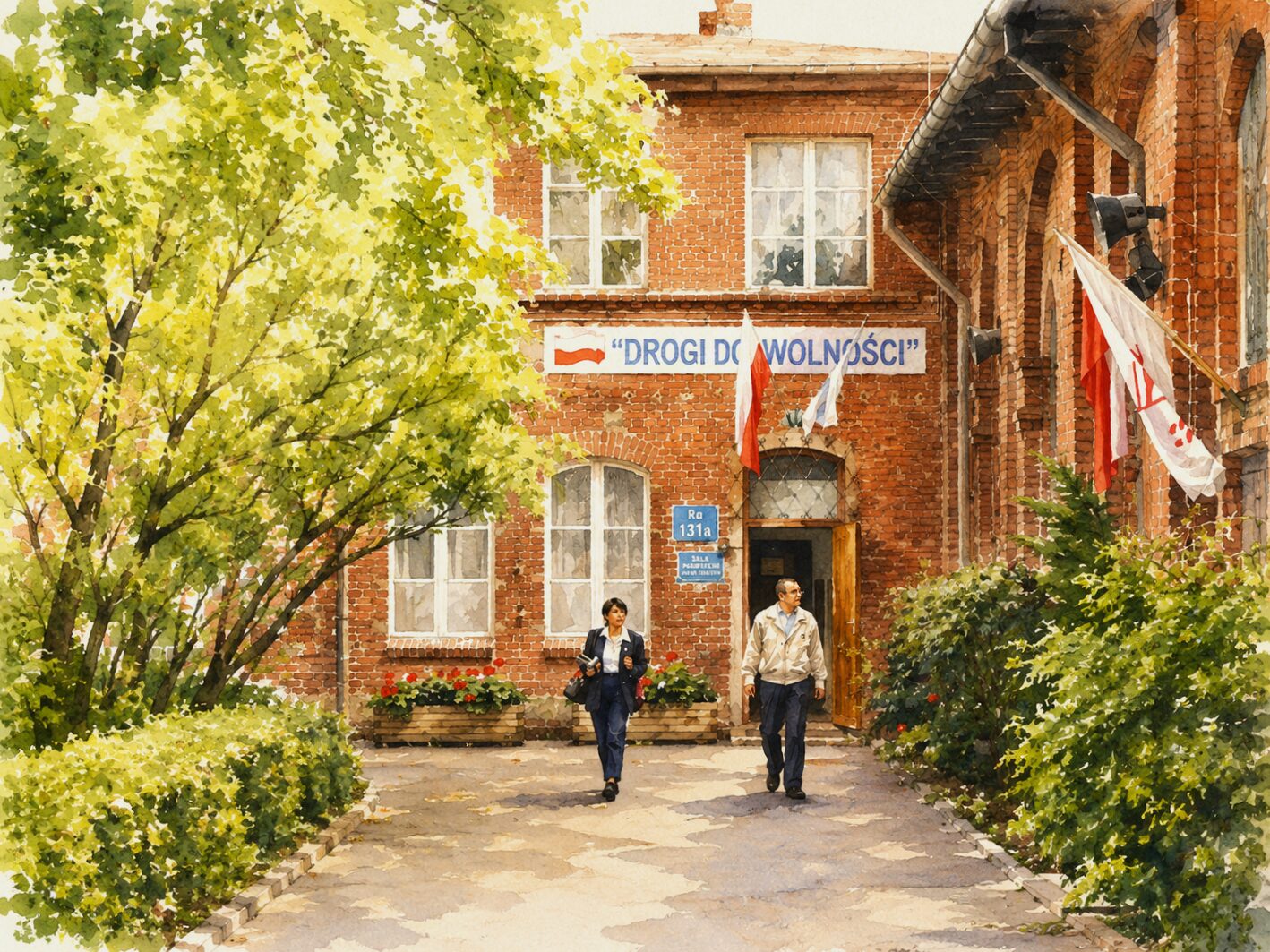
The only two historical shipyard’s objects formally protectet by the 2016
Changing public opinion and sustained civic pressure have led to the revision of several major development plans. Most notably, proposals for a large shopping centre and two office towers next to Solidarity Square were abandoned, while further phases of New Wall Street were suspended and hopefully may never be completed. Office developments have also been scaled back, with many replaced by higher-quality residential projects after criticism of the poor architectural and social quality of the “Wallstreet Bastion.”
Since 2019, growing public awareness of the former Gdansk Shipyard’s cultural significance has been used to develop independent, community-led vision for its future. Through the Shipyard Anew programme (2019–2022), supported by INTBAU Poland and the University of the West of Scotland, local residents, developers, and city authorities worked together to create the first widely shared strategy for the site’s transformation. The process resulted in the document Dreams to Fulfil, which outlined how the shipyard’s historical and cultural values could guide the creation of a new waterfront district. At its core was the tradition of Solidarity, understood as a culture of coexistence and cooperation. Participants emphasised that both heritage and nature should play a central role in shaping living, authentic environments where social bonds and everyday collaboration could continue to flourish. Two ecological initiatives fulfilled public dreams and brought them to life.
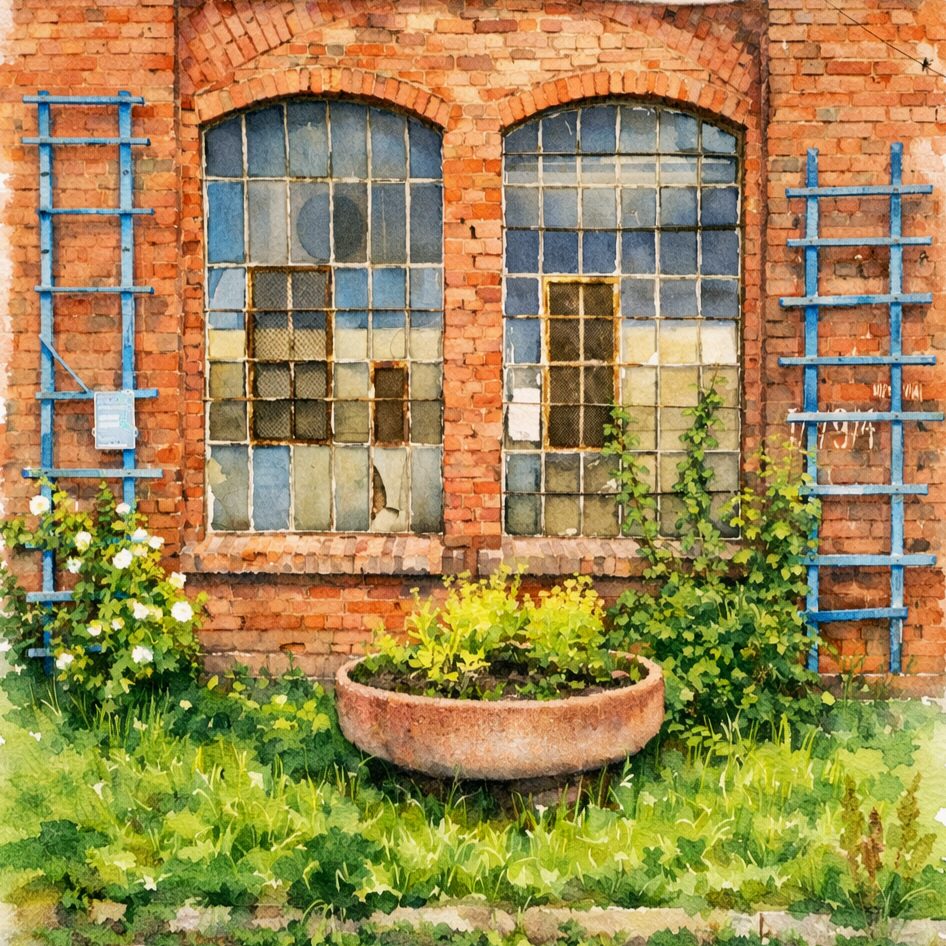
The first, proposed by t s Beall as part of the Shipyard Anew programme, focused on rediscovering the site’s horticultural traditions. In collaboration with a local activist group, it led to the reconstruction of small, departmental garden along Toolmakers Street, as well as the marking of the location of the shipyard’s greenhouse near the BHP Hall.
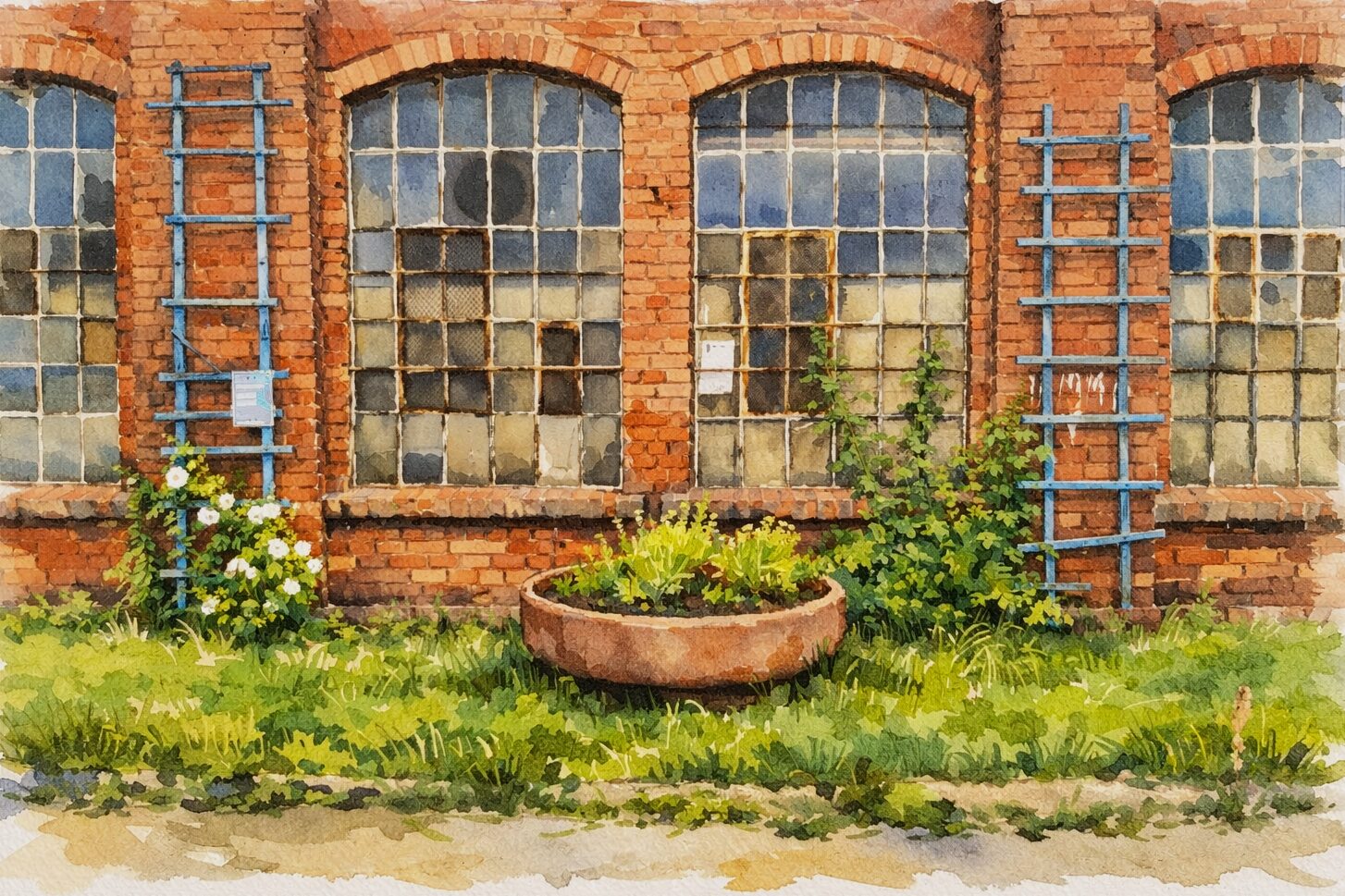
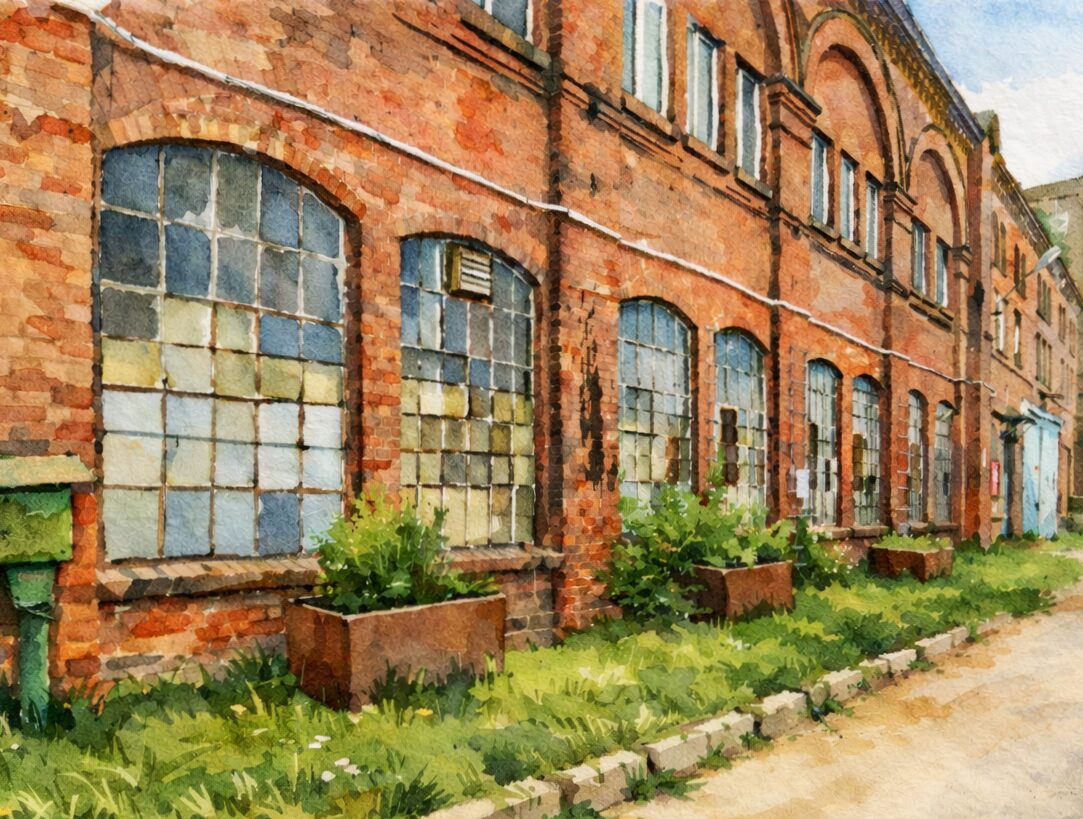
The recreated departmental garden (2021) – see more
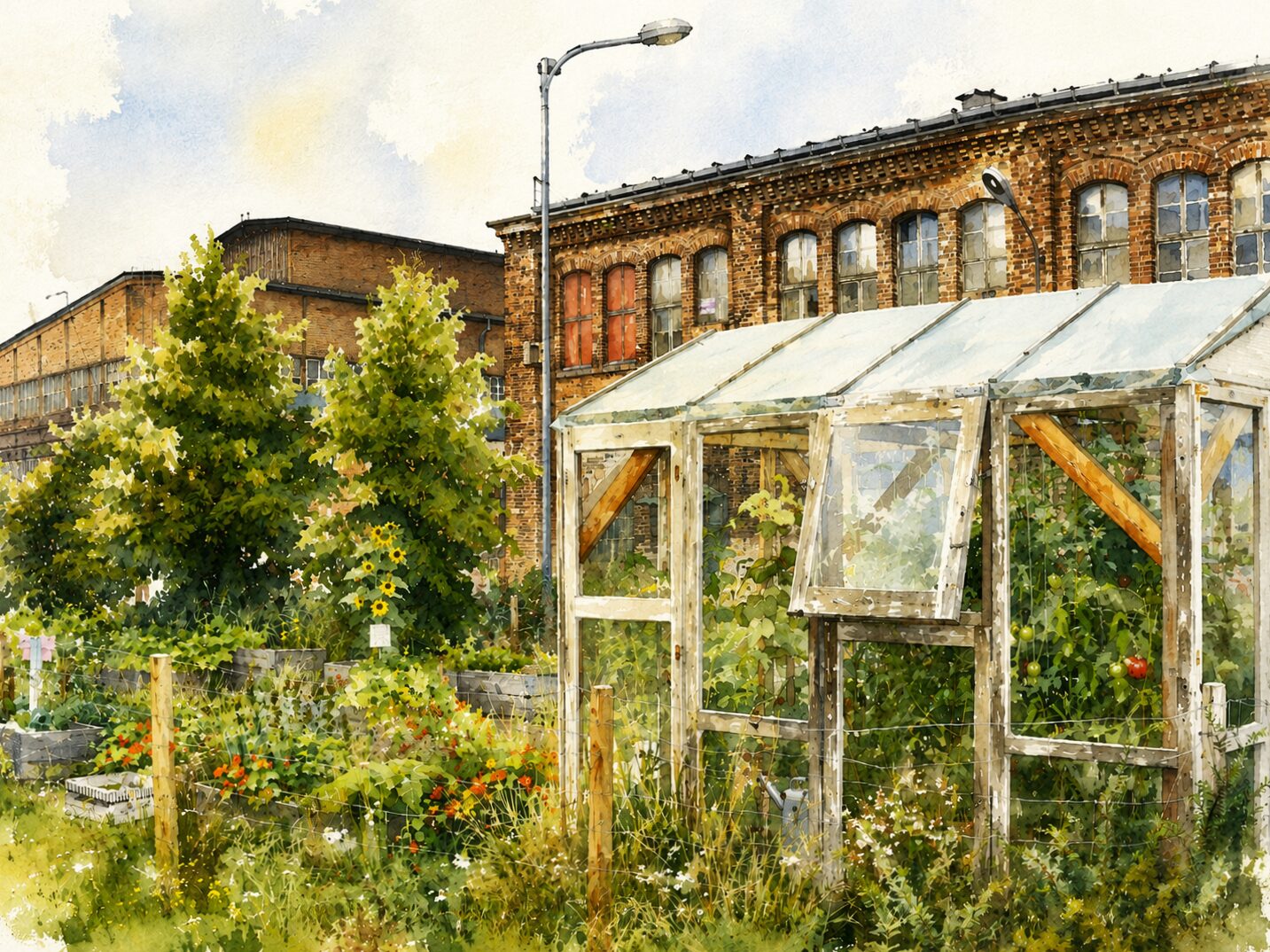
The second initiative was carried out by activists from the Plony (Crops) collective, who established and maintained a small garden on land reserved for the next phase of New Wallstreet. The cultivation of local food (vegetables and fruit) was a practical response to one of the key proposals of the
Shipyard Anew regarding the need to continue traditional productive activities of this site (instead of former ships – food production). In 2024, however, the garden was dismantled to make way for the construction of technical infrastructure linked to the planned expansion of New Wallstreet.
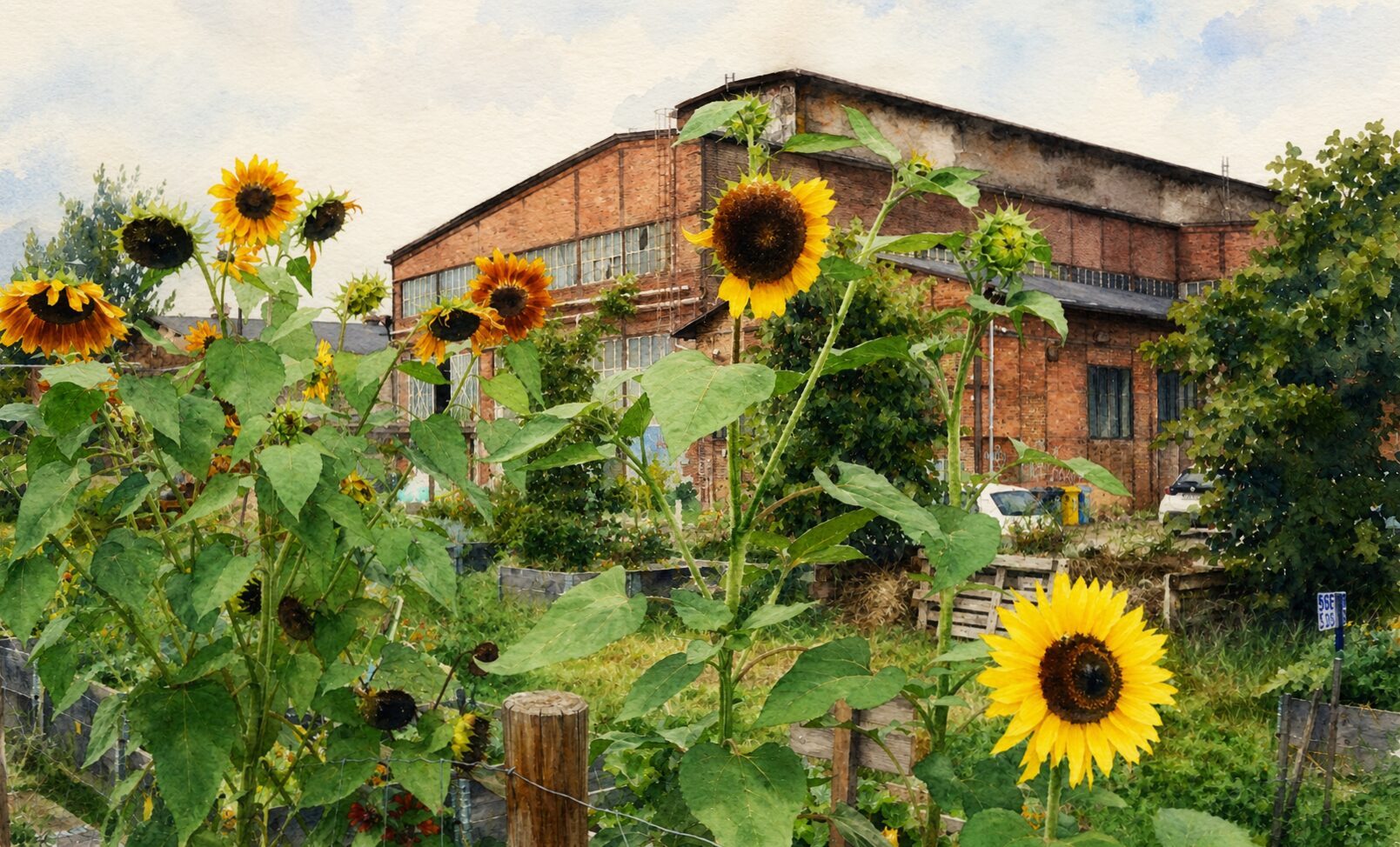
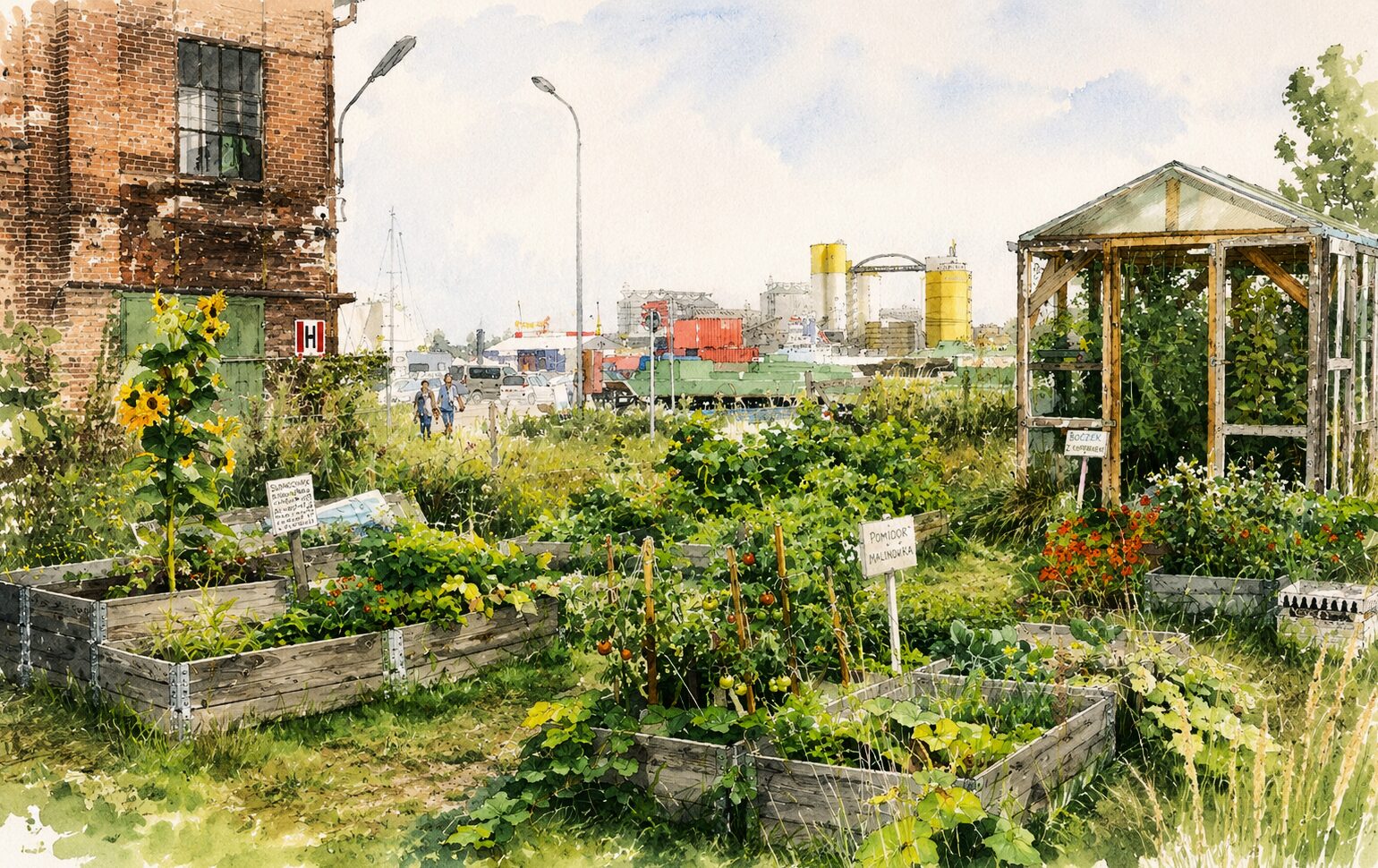
Garden plot run by the Crops group (2022) – see more
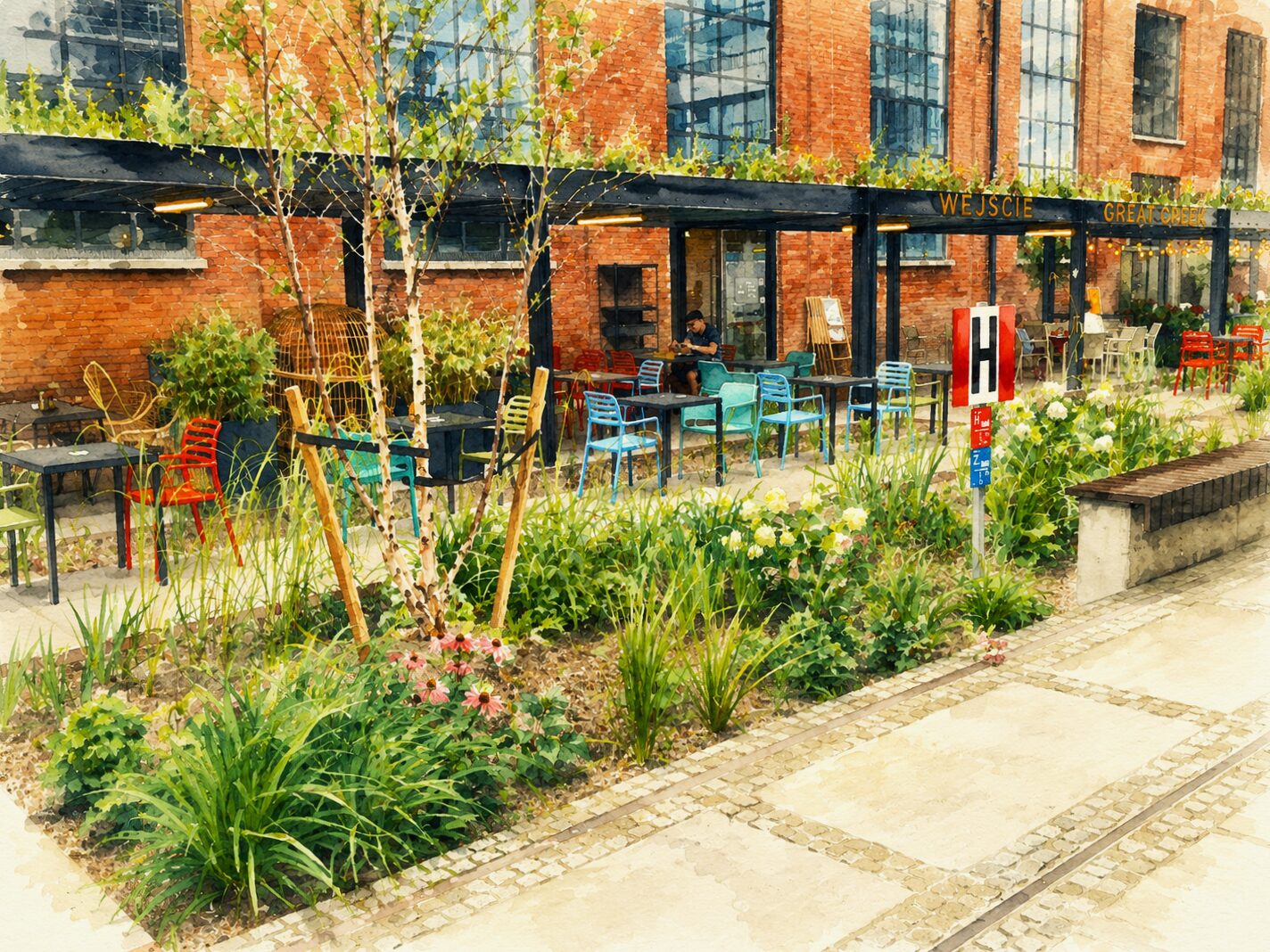
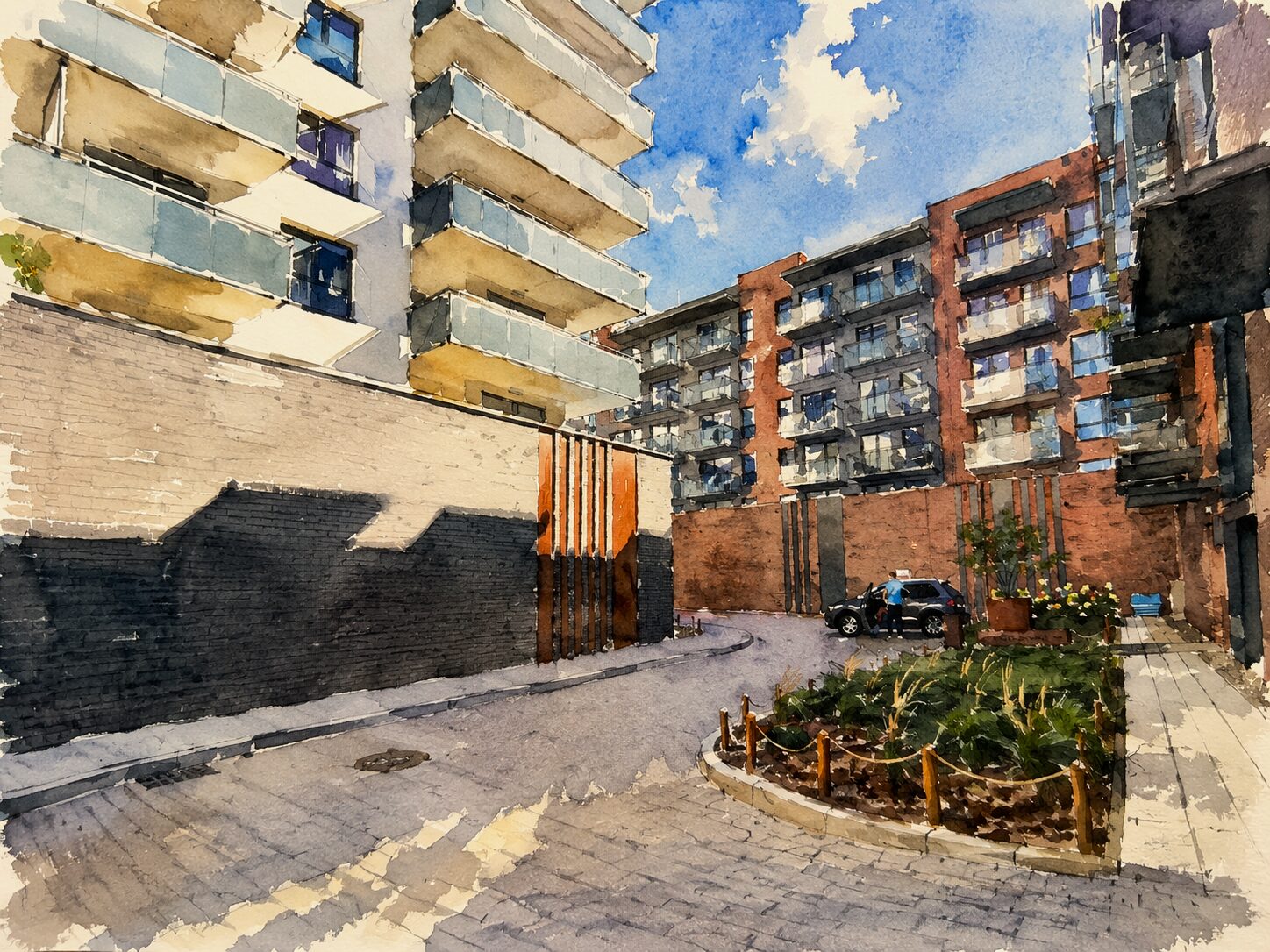
Following widespread public criticism of the very controversial “New Wallstreet Bastion” development, the Shipyard Anew programme proposed improved architectural standards for future residential projects. They emphasised limiting building heights and aligning new developments with the scale and character of the existing fabric. They also called for the creation of vibrant, pedestrian-friendly environments, supported by active ground-floor uses, such as retail and services, and enriched by generous green spaces, including rain gardens. These guidelines have begun to influence subsequent projects, most notably the design of the “Doki” (“Docs”) residential development, which reflects a more context-sensitive and ecological approach.
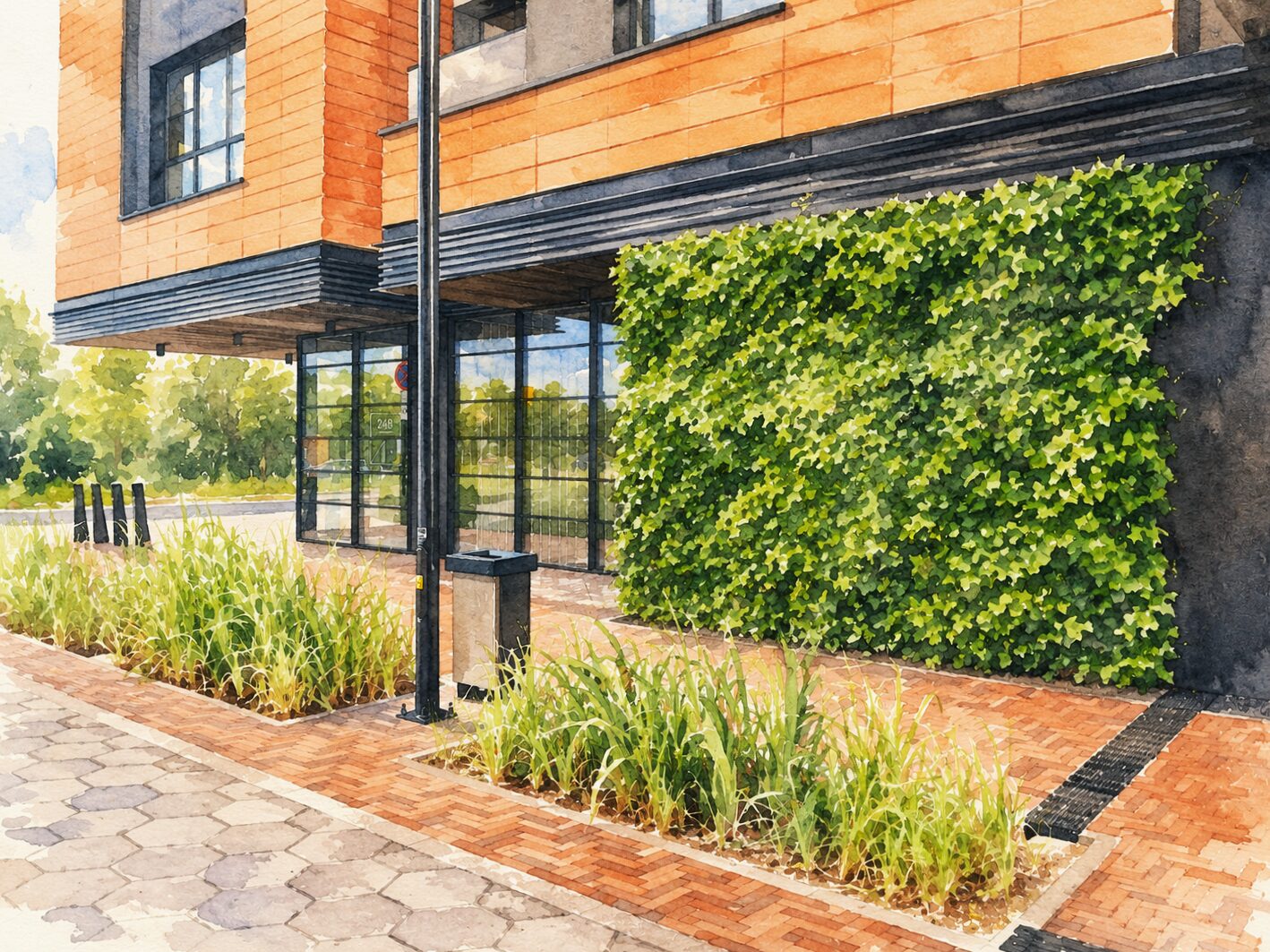
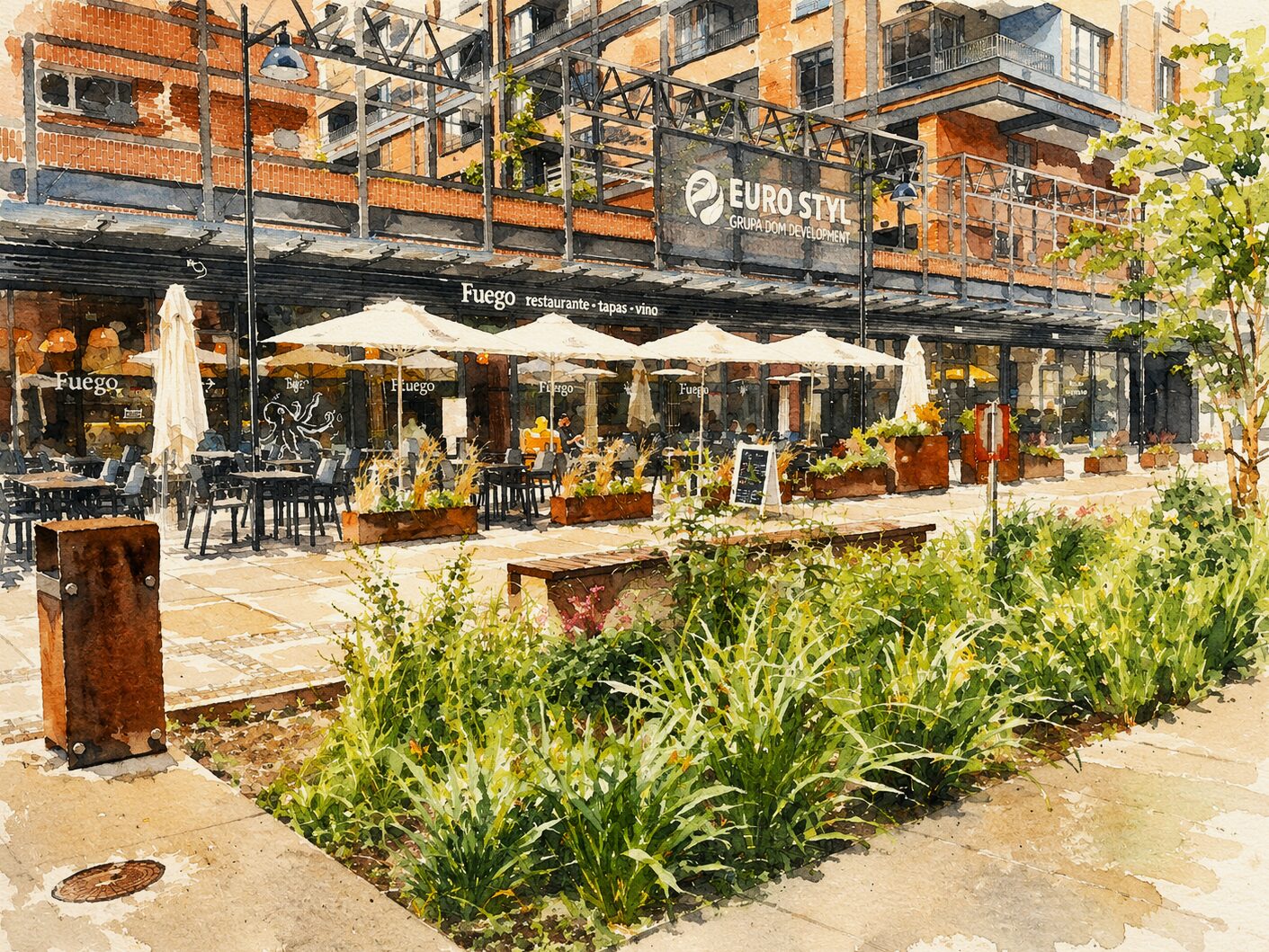
„Docs” neighbourhood, in line with the dreams of activists (2023) – see more
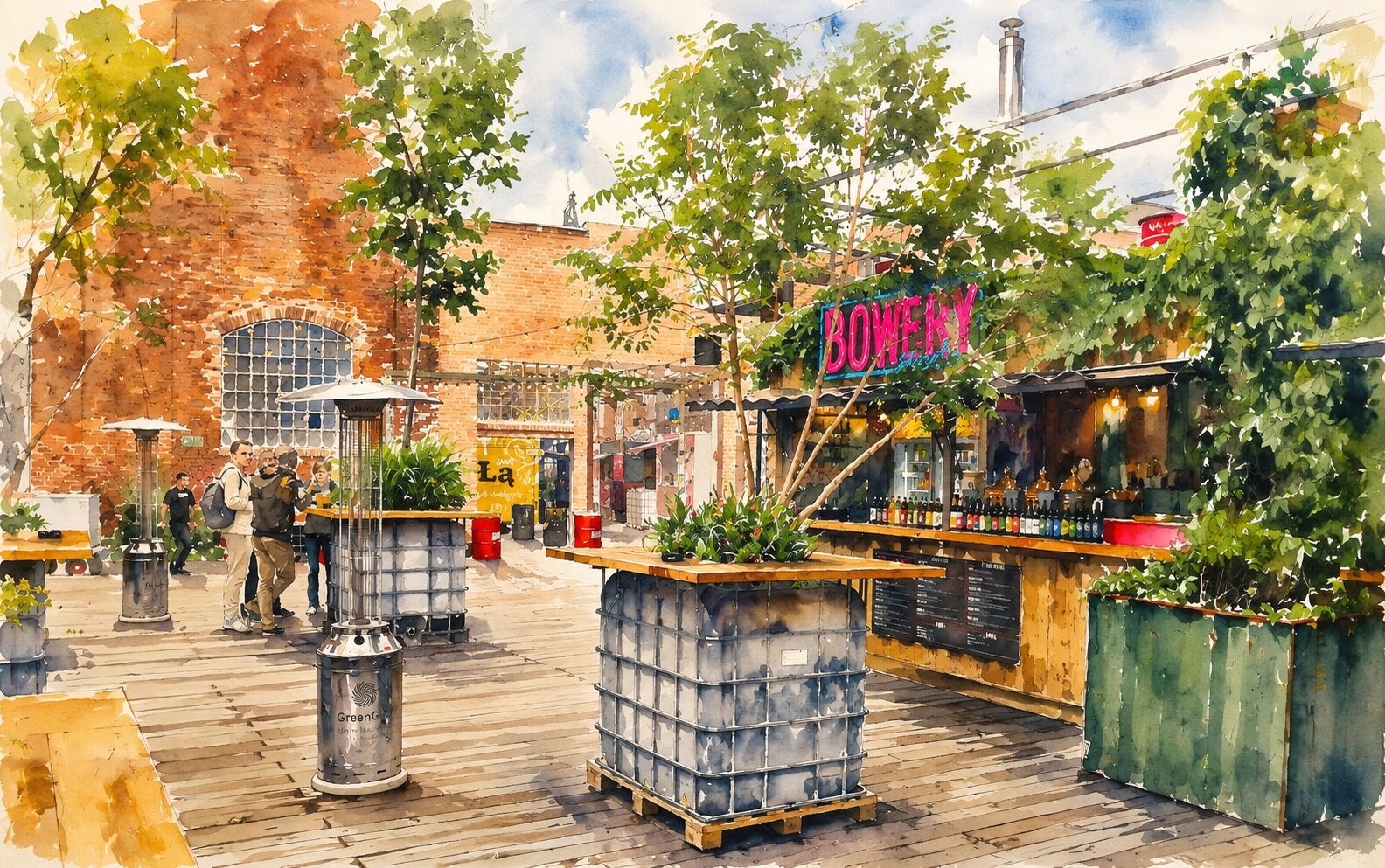
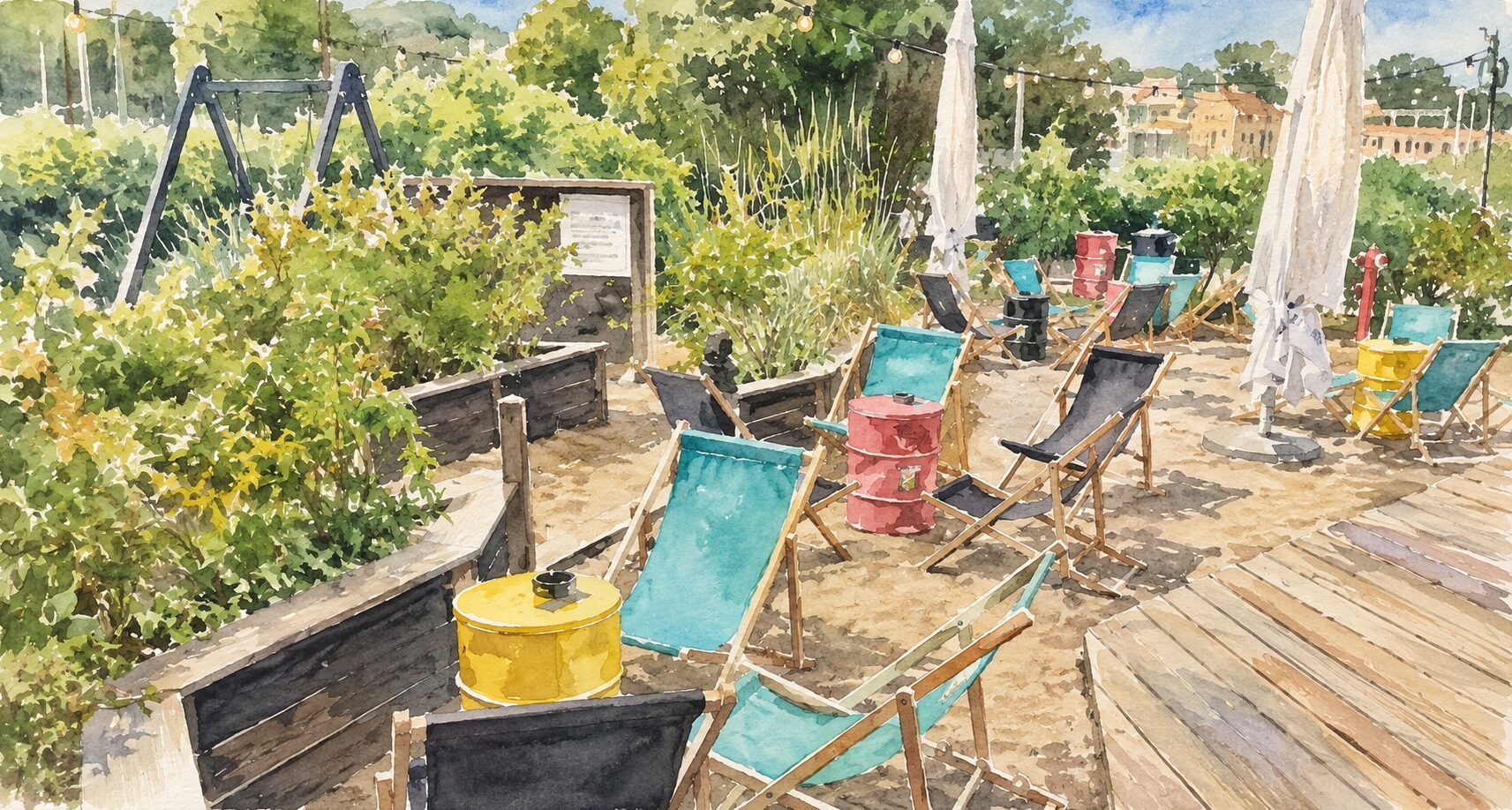
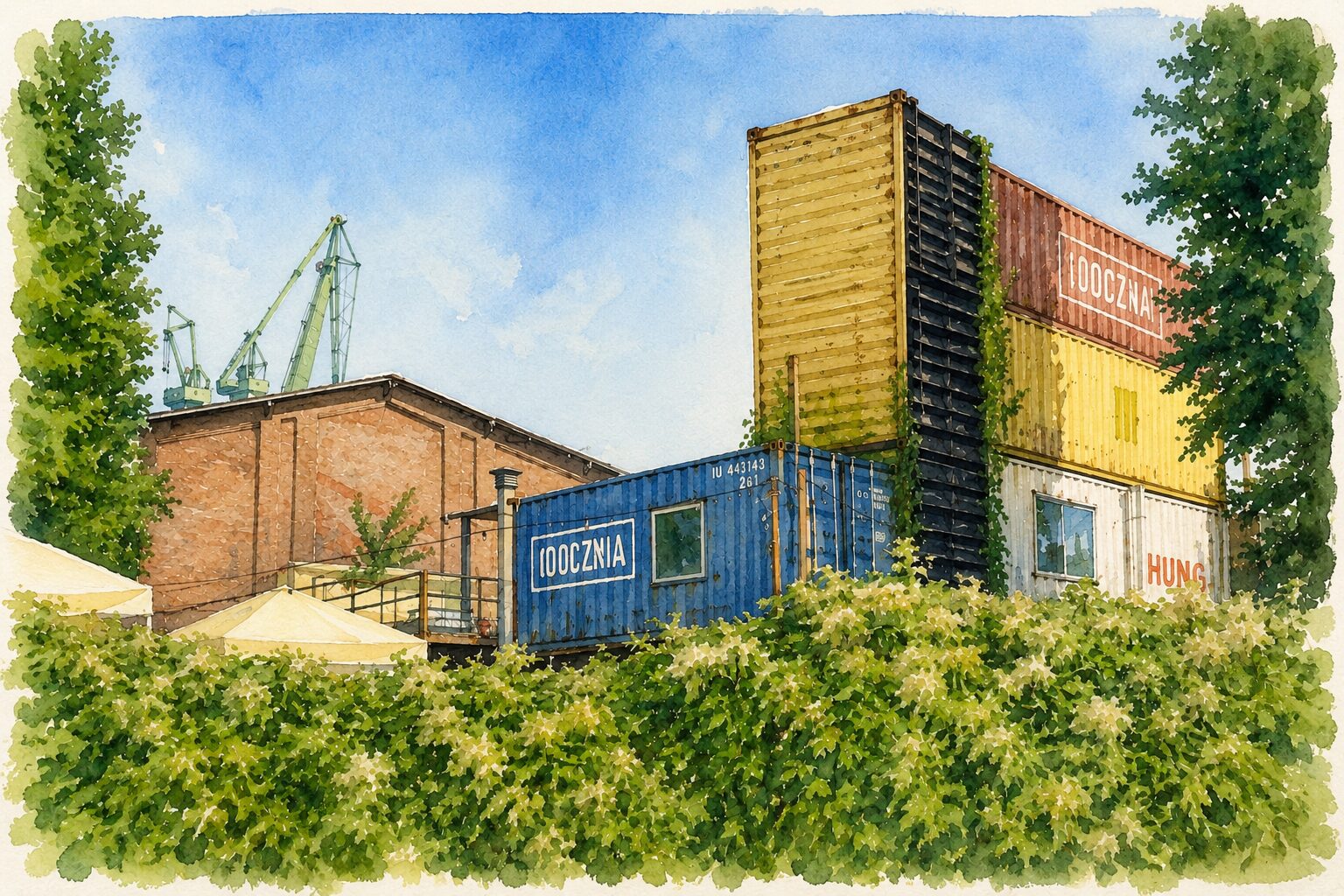
Shortly after the Shipyard Anew programme ended, the creators of 100cznia (Shipyard) – a container-based “city within a city” introduced a range of innovative social and ecological initiatives. Features such as support for NGOs and community groups, the creation of an art gallery and a neighbourhood club, seasonal public amenities including a skate park, basketball court and winter ice rink, as well as a strict recycling system and rain gardens, helped promote a socially engaged and environmentally conscious model of urban development.
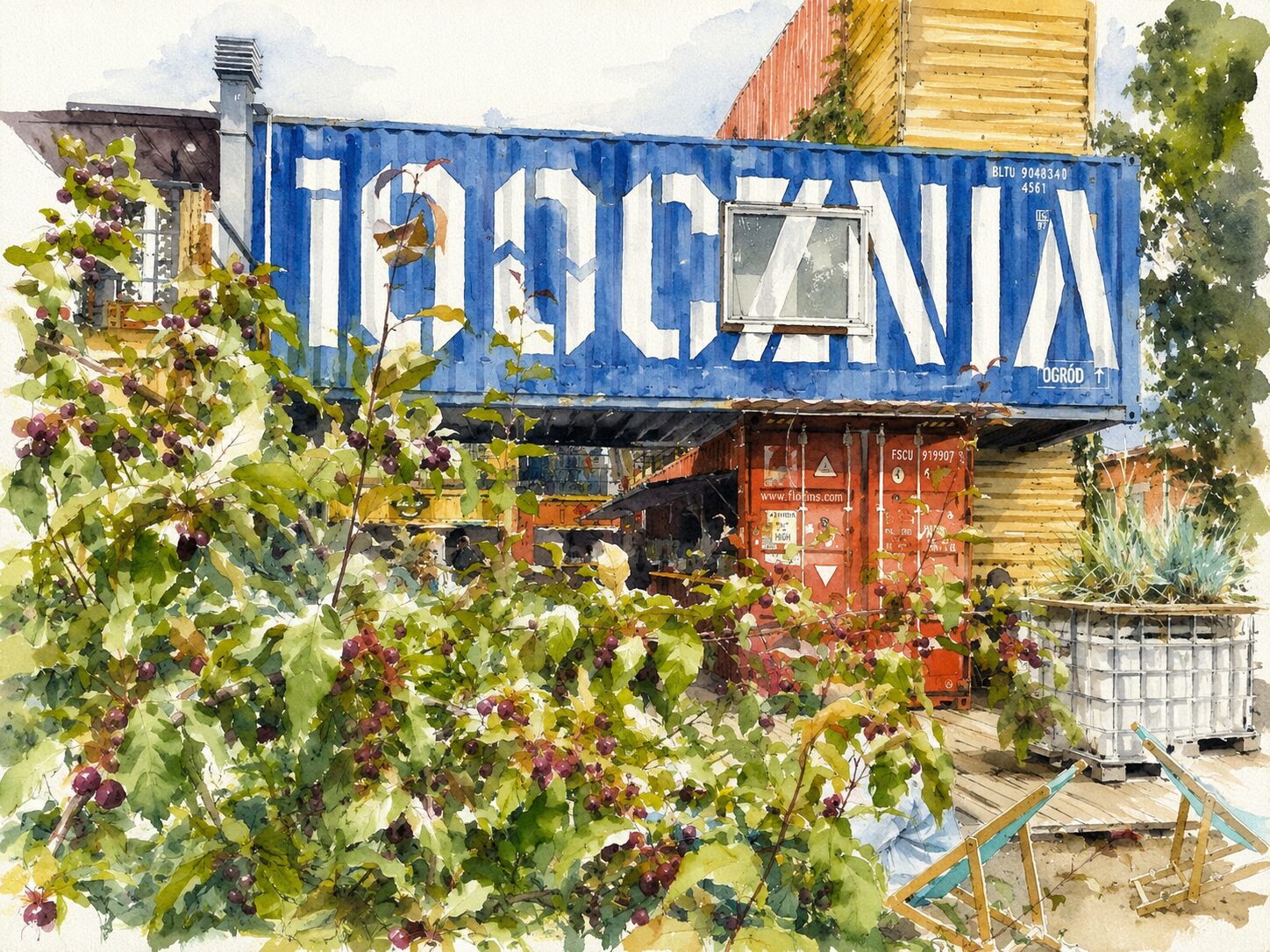
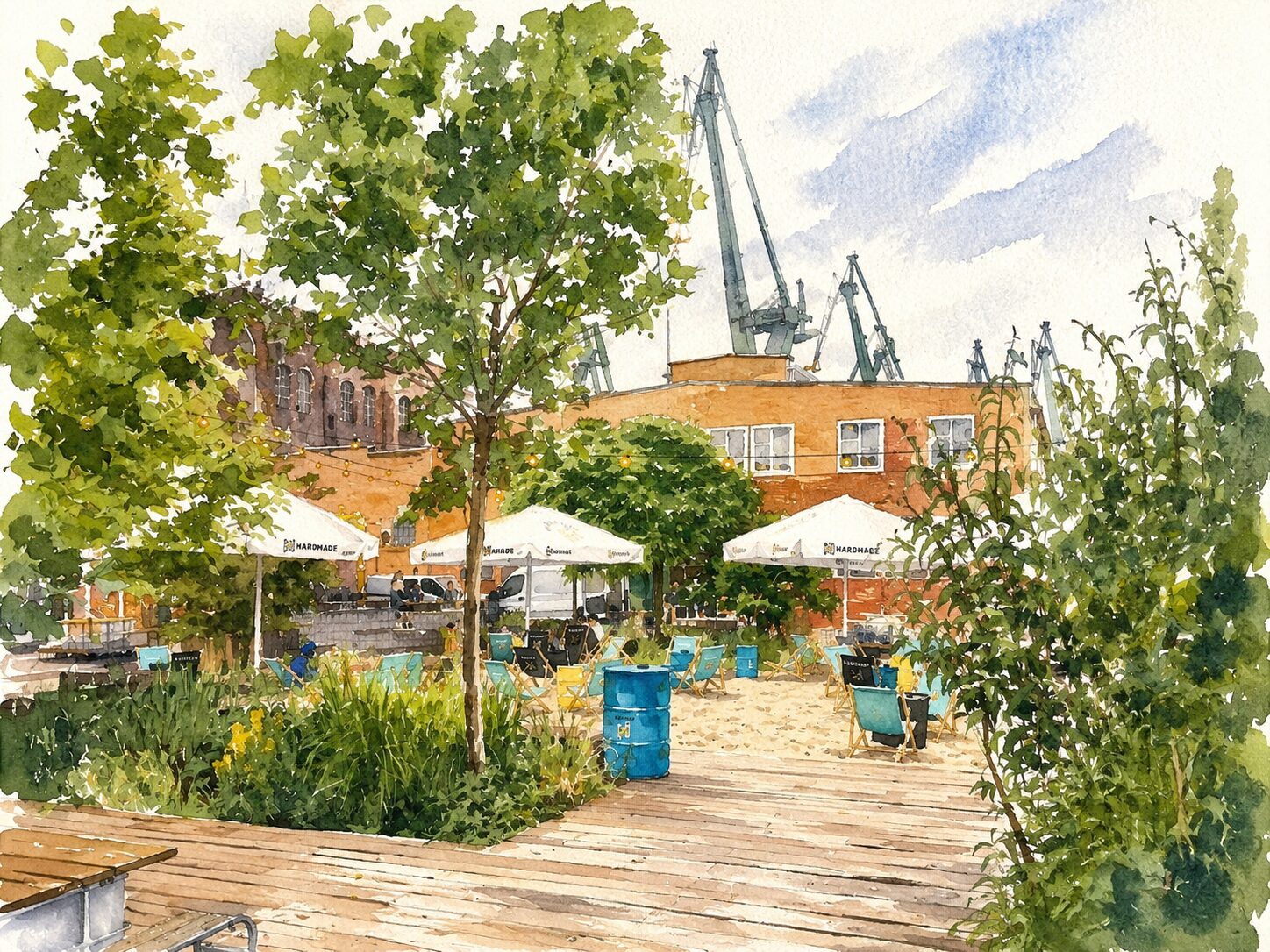
Socially and ecologically sensitive 100cznia (2023)- see more
The public document of Dreams to Fulfil was presented and incorporated into the formal process of preparing the Management Plan attached to the Polish Government’s application for the inscription of the Gdansk Shipyard on the UNESCO World Heritage List. It was prepared by the National Institute of Cultural Heritage and submitted in January 2020.
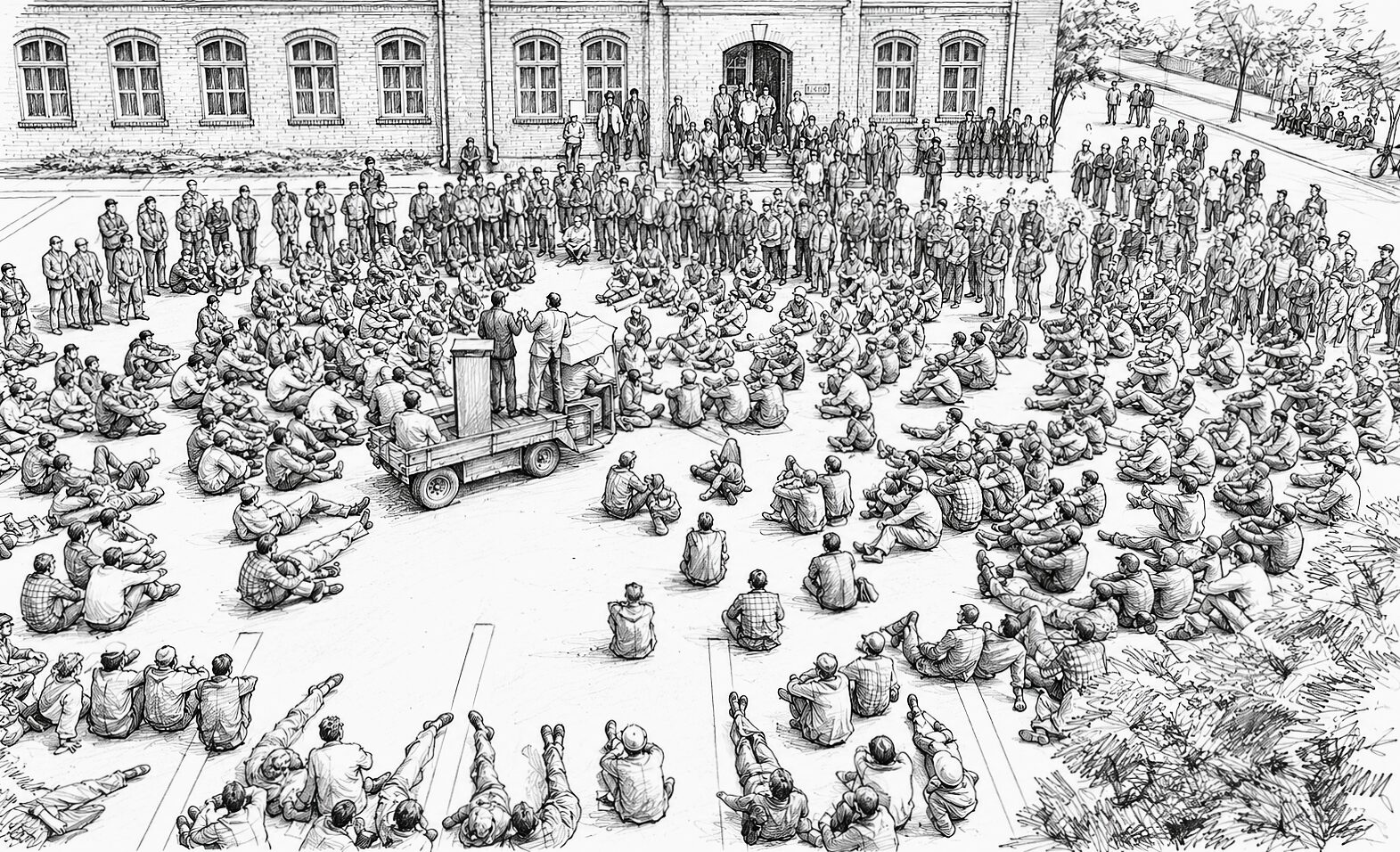
The beginning of the Solidarity strike in August 1980 and its symbol – see more

At the 2021 meeting of the UNESCO World Heritage Committee in China, the Polish application was opposed by China, Russia, and several allied countries. They questioned both the unique and universal value of the Gdansk Shipyard as the birthplace of Solidarity and its role in the political transformations that contributed to the end of the Cold War. Challenging the shipyard’s uniqueness as a site embodying democratic values such as freedom and solidarity, representatives of those countries pointed to other locations, most notably the Berlin Wall. They also questioned the universal significance of Solidarity’s peaceful role in ending communist rule in Eastern Europe, referring to countries where communist ideology remains in power, including China and North Korea. In this context, they concluded that these events belong to relatively recent history and remain open to differing interpretations.
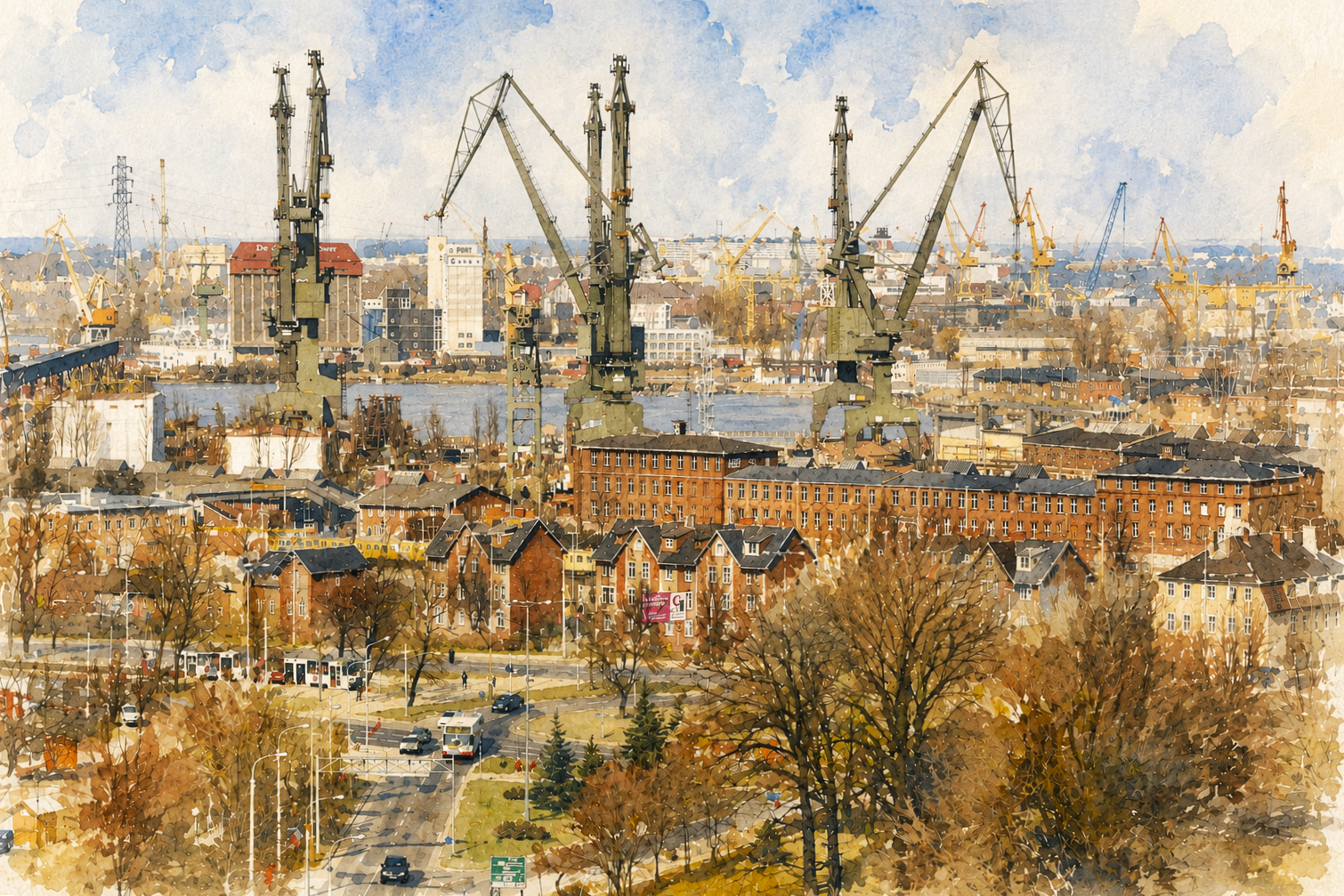
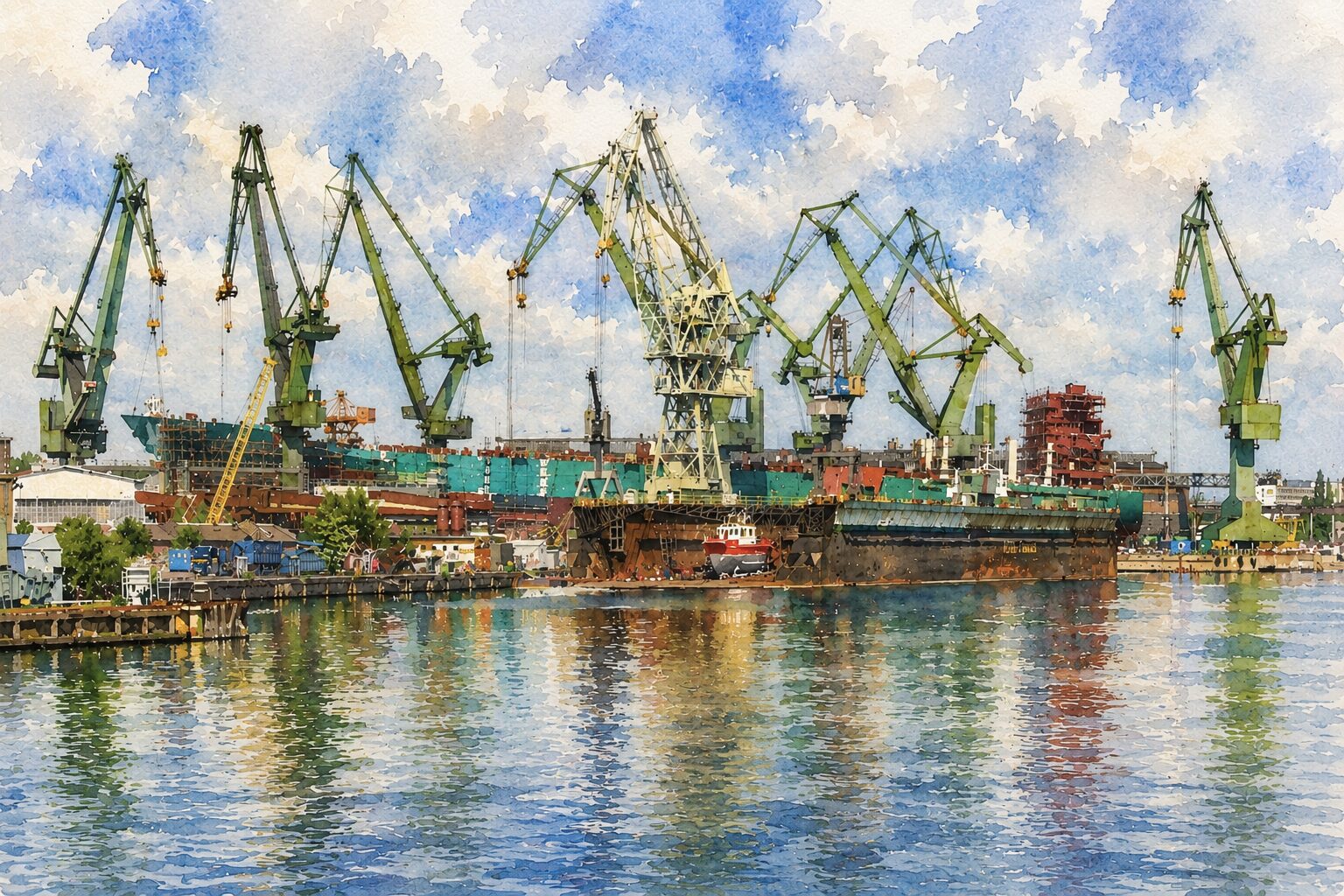
Shipyard of Solidarity (2005) – see more
Ultimately, the vote on the Polish nomination was postponed until the next UNESCO session, scheduled to take place in Russia in 2022. However, on 24 February of that year, the Russian Federation invaded Ukraine. The session was cancelled and the nomination process effectively frozen. Thus, the
Game of Shipyard continues – just as the war in Ukraine…
Victory of the Shipyard of Solidarity